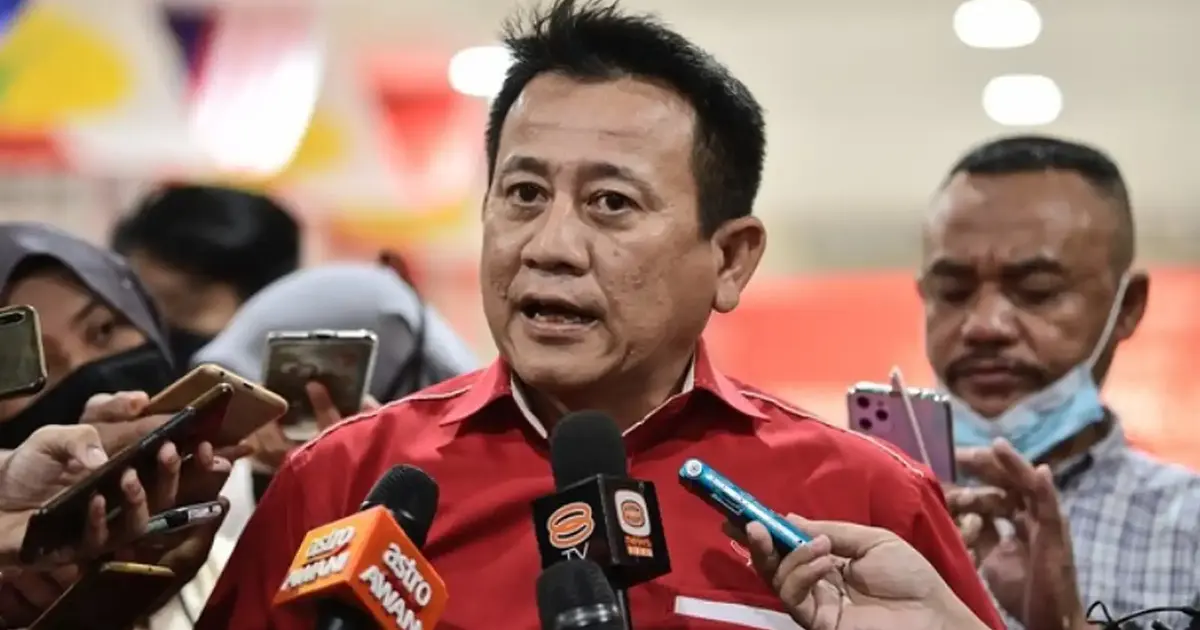
Bersatu has moved to dispel mounting speculation about its role in determining coalition membership, with party leadership insisting its reservations pertained to a specific political entity rather than Pejuang's bid to join Perikatan Nasional. Information chief Tun Faisal Ismail Aziz issued the clarification in response to growing confusion within political circles regarding the Malay-Muslim coalition's recent deliberations on expanding its membership base ahead of anticipated electoral contests.
The distinction drawn by Bersatu appears crucial to understanding the internal dynamics of Perikatan Nasional, which has been navigating competing interests among its constituent parties whilst attempting to broaden appeal in the wider political marketplace. Rather than presenting a unified opposition to newcomers, Bersatu's leadership suggests the party exercised selective scrutiny based on specific concerns relating to governance and ideological alignment. This more nuanced position represents an attempt to position the party as pragmatic rather than obstructionist within coalition deliberations.
Tun Faisal's statement specifically referenced Parti Wawasan Negara as the entity triggering concerns within Bersatu's calculations. The party's apprehension appears rooted in assessments that admitting this organisation could precipitate organisational tensions and ideological friction that might destabilise the existing coalition framework. Such internal cohesion concerns have become increasingly important for multiparty coalitions operating in Malaysia's fractious political environment, where divergent interests frequently strain partnership arrangements and threatened to fragment alliances prematurely.
The timing of Bersatu's clarification reflects broader strategic considerations facing Perikatan Nasional as it contemplates coalition expansion. Admitting new members inevitably reshapes power dynamics, distributes resources differently, and creates fresh negotiating patterns around ministerial allocations and policy direction. Bersatu, as a significant coalition partner, retained leverage to voice concerns about compatibility and potential disruption before formal admission processes commenced. This position allowed the party to signal its preferences without appearing to operate a veto or exercising domination over coalition decisions.
For Pejuang, characterised as not being the subject of Bersatu's objections, the clarification potentially opens pathways toward coalition integration. Pejuang's leadership has positioned the party as representing updated Malay-Muslim political vision rooted in localised governance concerns and anti-corruption credentials. Coalition membership would provide this smaller party with institutional machinery, resource access, and electoral apparatus advantages otherwise unavailable to operate independently. However, actual admission still requires consensus among existing Perikatan partners and resolution of various technical and administrative prerequisites.
The distinction Bersatu emphasised underscores how Malaysian coalition politics frequently operates through selective accommodation rather than wholesale inclusion. Parties assess prospective members not merely on ideological compatibility but on concrete operational implications, including legislative arithmetic, fundraising capacity, grassroots mobilisation capabilities, and media influence. Parti Wawasan Negara's profile apparently triggered calculations about destabilisation risks that Pejuang did not provoke with equivalent force. This suggests Bersatu had greater confidence in managing Pejuang's integration within established coalition protocols and decision-making hierarchies.
The clarification also reflects international dimensions of Malaysian coalition politics. Perikatan Nasional, as the national opposition alliance, operates under constant scrutiny regarding its capacity to govern effectively should electoral fortunes shift decisively. Internal divisions broadcast publicly risk undermining confidence among fence-sitting voters and institutional stakeholders who evaluate coalitions partially on organisational stability and demonstrated ability to manage competing interests. By explaining rather than justifying its position, Bersatu projected an image of disciplined coalition governance rather than chaotic internal disputation.
Regional political observers monitoring Malaysian developments have noted how coalition membership negotiations frequently occur through public and private channels simultaneously, creating narratives that shift as clarifications emerge. Tun Faisal's intervention represents an effort to control messaging around decision-making processes that fundamentally affect political positioning and electoral prospects. The distinction between blocking Pejuang and opposing Parti Wawasan Negara may appear subtle, but carries significant implications for how coalition behaviour appears to external audiences evaluating organisational coherence and leadership credibility.
Looking forward, Bersatu's clarification suggests Perikatan Nasional will likely pursue differentiated approaches toward prospective members based on individual assessments rather than blanket policies. Pejuang faces improved prospects, though formal admission likely remains contingent on broader coalition consensus and completion of integration frameworks. Meanwhile, Parti Wawasan Negara confronts substantially dimmer prospects for near-term admission unless it undertakes strategic repositioning addressing underlying coalition concerns. These dynamics illustrate how contemporary Malaysian coalition politics functions through intricate negotiations where apparent vetoes frequently disguise selective preferences dressed in language emphasising legitimate governance considerations and organisational necessity.

