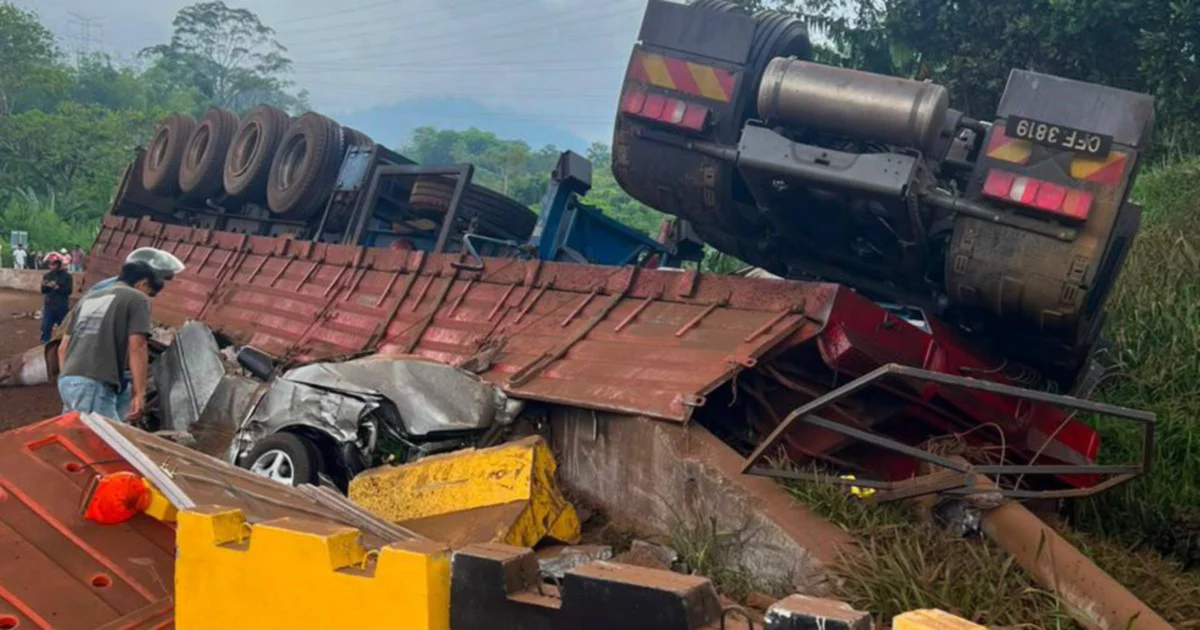
A Bentong-based heavy goods vehicle operator has been provisionally released from custody following a deadly traffic collision on the Karak Expressway that claimed four lives on June 14. The release comes as the Royal Malaysia Police continues its formal investigation into the circumstances surrounding the multi-vehicle incident, with the driver expected to cooperate with ongoing enquiries and meet bail conditions.
The June 14 collision represents one of the more serious traffic fatalities recorded on the expressway system in recent months, drawing renewed scrutiny to safety standards on Malaysia's major north-south highway corridors. The Karak Expressway, which connects Kuala Lumpur to Kuantan and serves as a critical commercial and passenger route, has been the site of numerous accidents over the years, though incidents involving multiple fatalities remain relatively uncommon despite the high volume of daily traffic.
Police authorities in Pekan, which has jurisdiction over the Bentong incident, confirmed that bail conditions have been imposed on the driver pending the completion of preliminary investigations. Such arrangements are standard practice in fatal traffic cases, allowing investigators to gather evidence and witness statements while the suspect remains available for further questioning if required. The decision to grant bail does not indicate any presumption of innocence or guilt, but rather reflects the procedural steps necessary before formal charges can be considered.
The nature of heavy vehicle collisions on expressways often presents complex investigative challenges. Authorities must examine multiple factors including vehicle maintenance records, driver fatigue levels, road conditions, weather circumstances at the time of impact, and adherence to traffic regulations. In this instance, investigators will likely scrutinise whether the trailer underwent regular safety inspections, whether the driver was operating within permissible hours of service, and whether speed or mechanical failure contributed to the collision sequence.
The Karak Expressway has emerged as a focal point for road safety discussions within Malaysia's transport and enforcement communities. While the corridor remains essential for commerce and connectivity between the peninsula's western and eastern regions, the concentration of heavy vehicles during peak hours, combined with challenging terrain in certain sections, creates conditions conducive to serious accidents. Previous campaigns by the Road Safety Department have highlighted the importance of vehicle maintenance and driver vigilance on this particular route.
For the four individuals who lost their lives in the collision, the incident underscores the devastating consequences of major traffic accidents. Families affected by such events often face prolonged emotional and financial hardship, particularly when significant questions remain about causation and responsibility. The investigation process can extend over several months as forensic teams analyse vehicle damage patterns, tyre marks, and mechanical integrity to reconstruct the sequence of events.
The release of the driver on bail indicates that police have gathered sufficient initial information to allow the investigation to progress without continued detention. Malaysian criminal procedure permits bail in traffic fatality cases when evidence gathering does not require continuous custody and when the suspect is unlikely to pose a flight risk or threat to public safety. However, the driver remains subject to legal jeopardy, and the investigation's findings may ultimately result in formal charges under relevant traffic and criminal statutes.
The Bentong incident reflects broader concerns about heavy vehicle operations throughout Southeast Asia. Malaysia, as a major logistics hub, relies heavily on trailer trucks for regional supply chain movements, yet industry observers have long flagged that enforcement of maintenance standards and driver training protocols remains inconsistent across operators. Some companies maintain exemplary safety records, whilst others operate with minimal regulatory oversight, creating uneven risk profiles across the industry.
Investigators will likely consult with road engineering specialists to determine whether expressway design, signage, or maintenance contributed to the accident. The Karak route includes sections with complex curvature and elevation changes, particularly in areas approaching or descending from the Titiwangsa Range. Poor visibility, especially during early morning or evening hours, can compound the inherent challenges of manoeuvring large vehicles through these stretches, and weather patterns on this corridor can change rapidly.
The bail conditions imposed on the driver typically include reporting requirements, a prohibition on leaving Malaysian jurisdiction without permission, and a requirement to surrender travel documents. Such measures balance the need to investigate thoroughly against the presumption that individuals remain innocent until proven guilty in court. The driver's cooperation during this investigative phase may prove significant should legal proceedings ultimately proceed to trial, as demonstrating a willingness to assist authorities can influence prosecutorial and judicial decisions.
Moving forward, the police investigation will determine whether charges under the Penal Code or the Road Transport Act are warranted. Potential offences could range from negligent driving causing death to more serious charges depending on whether evidence suggests recklessness, violation of safety regulations, or mechanical defects that the driver knew or should have known about. The outcome will carry implications not only for the individual driver but potentially for the company operating the vehicle and industry practices more broadly.
The tragedy will likely reignite discussions within Malaysia's transport sector about regulatory enforcement and vehicle operator accountability. Periodic crackdowns on overloaded vehicles, maintenance violations, and driver fatigue have achieved modest improvements, yet compliance remains uneven across the industry. This incident provides an opportunity for policymakers and enforcement agencies to recommit to systematic improvement in heavy vehicle safety protocols across Malaysia's expressway network.

