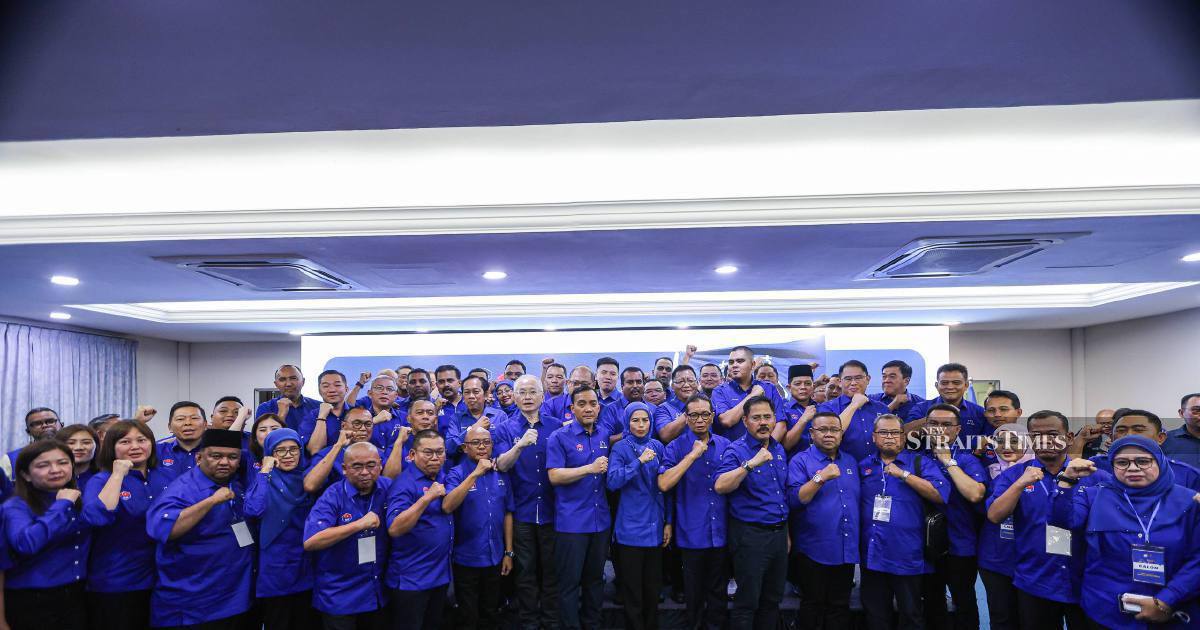
Barisan Nasional has formally unveiled its complete roster of 56 candidates for the forthcoming Johor state election scheduled for July 11, signalling the coalition's readiness to defend its traditional stronghold in Malaysia's southern region. The announcement, made in Johor Baru, represents a crucial moment in the political calendar as BN consolidates its position ahead of what is expected to be a closely contested electoral contest in a state that has remained a bastion of the coalition's support for decades.
The unveiling of the full candidate lineup comes at a pivotal juncture in Malaysian politics, where state-level elections continue to serve as important barometers of public sentiment and coalition strength. Johor, with its significant economic contributions to the nation and substantial population base, holds particular strategic importance for any political coalition seeking to maintain or expand its influence across the country. The state's electoral outcome will likely reverberate beyond its borders, influencing perceptions of BN's viability as a governing force at both state and federal levels.
For Malaysian observers and political analysts, the composition of BN's candidate list offers insights into the coalition's priorities and strategies for the coming election. The selection process typically reflects calculations regarding marginal constituencies, incumbent performance, and demographic shifts within electoral divisions. Each candidate placement tells a story about party dynamics within BN's component parties—Umno, MCA, MIC, and the various Sabah and Sarawak-based allies—and how power-sharing arrangements have been negotiated during the selection process.
Johor's political significance stems from multiple factors that extend beyond its status as Malaysia's second-largest state by population. The state serves as an economic gateway, with Port Klang alternatives and industrial zones that are vital to national trade flows. Geographically, its proximity to Singapore creates distinctive economic and security considerations that influence local political discourse. The state's diverse demographic composition, spanning urban centres in Johor Baru, industrial towns, and rural constituencies, requires candidates capable of addressing varied constituent concerns ranging from urban infrastructure to agricultural support.
The July 11 election date itself carries implications for campaign dynamics. Scheduled during the middle of the year, the election falls during a period when various economic and social issues typically dominate public discourse. Election outcomes often influence federal government policy directions, as ruling coalitions take note of voter preferences expressed at the state level. BN's performance in Johor will be scrutinised by party members within component parties, potentially affecting internal power dynamics and leadership calculations heading towards any future federal election.
Historically, Johor has demonstrated voter patterns that differ somewhat from peninsular Malaysia's urban centres. Rural and semi-rural constituencies have traditionally shown strong support for BN, though recent elections have witnessed increasing competition from opposition coalitions, particularly in urban areas. The candidate selection therefore reflects BN's assessment of which areas remain secure, which require defensive strategies, and which present opportunities for expansion. The distribution of candidates across different demographic profiles—age, gender, professional background, and local ties—indicates the coalition's attempt to appeal to evolving voter demographics.
The announcement also occurs within a broader context of Malaysian politics characterised by coalition realignments and shifting allegiances. The fate of BN candidates in Johor will likely be influenced by broader narratives around governance, development, and economic management. Voters in urban constituencies may weigh candidates against different criteria than those in rural areas, requiring campaign messages carefully calibrated for diverse audiences. The sophistication of modern electioneering means candidate selection extends beyond individual merit to encompass broader strategic considerations about coalition messaging and voter mobilisation.
Within BN's component parties, the selection process itself represents a balancing act between various interests. Umno, as the dominant partner, would have secured the lion's share of candidacies, while MCA traditionally contests seats with significant Chinese voter populations and MIC focuses on constituencies with substantial Indian communities. This power-sharing arrangement reflects post-independence political agreements that continue to shape Malaysia's electoral landscape. Any perceptible imbalance or dissatisfaction within component parties could manifest as reduced campaign enthusiasm or grassroots mobilisation.
For Malaysian voters, the candidate lineup represents the choice set they will evaluate during the campaign period. Beyond party affiliation, factors such as constituency track record, development projects implemented, and responsiveness to constituent grievances typically influence voting decisions. Urban voters increasingly demand accountability and performance metrics, while rural voters may prioritise infrastructure development and government subsidies. Candidates' backgrounds and demonstrated commitment to their constituencies will become focal points of campaign discourse.
The Johor election itself carries broader implications for Southeast Asia's political landscape. Malaysia remains a significant democracy within the region, and electoral outcomes in major states contribute to regional assessments of democratic health and political stability. Investor confidence and business sentiment can be influenced by electoral results, particularly when they signal changes in governance approaches or policy directions. BN's performance will therefore be monitored not only by domestic observers but also by regional economic and political actors.
Looking ahead to the campaign period, BN's candidate unveiling represents the formal beginning of competitive engagement with opposition coalitions. The quality, experience, and public appeal of candidates will be tested through media scrutiny, public debates, and grassroots campaigning. Johor voters will ultimately render their judgment on whether BN's slate represents the leadership they desire for their state during the next term of government, making this election a significant moment in Malaysia's democratic cycle.

