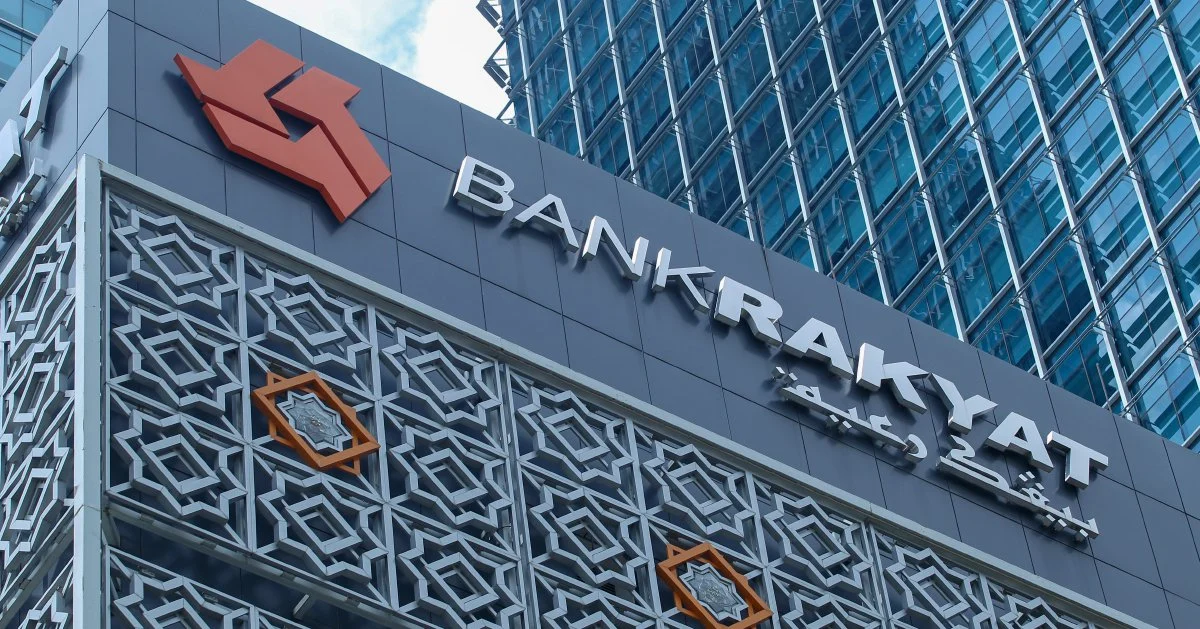
Bank Rakyat has tapped the sukuk market with a RM300 million issuance, marking another milestone in the institution's capital-raising strategy aimed at fortifying its balance sheet ahead of anticipated business expansion. The securities, structured as subordinated sukuk Murabahah instruments, were issued under the financial institution's RM5 billion sukuk programme, which provides a substantial funding platform for medium to long-term financing needs.
The subordinated sukuk Murabahah structure represents a critical tool in Islamic finance, where investors and the issuing bank enter into an asset-based transaction rather than a conventional debt arrangement. Under Murabahah principles, the bank essentially marks up the cost of an asset and sells it to investors on a deferred payment basis, generating returns compliant with Shariah law. This approach appeals to both domestic and international Islamic finance practitioners seeking income-generating instruments that meet religious compliance requirements.
Bank Rakyat's capital-raising move comes at a significant juncture for the Malaysian banking sector, where regulatory pressures and evolving business landscapes necessitate robust equity buffers. By issuing subordinated sukuk, the institution can count these securities as part of its Tier 2 capital—a category essential for meeting Bank Negara Malaysia's stringent regulatory requirements. Subordinated instruments rank below deposits and senior debt in the creditor hierarchy, making them a more expensive form of capital than conventional deposits yet more advantageous than pure equity issuance when it comes to ownership dilution.
The RM5 billion sukuk programme framework under which this issuance occurs demonstrates Bank Rakyat's structured approach to capital management. Rather than raising funds through a single, infrequent transaction, the bank has established a broad facility that allows for multiple issuances over time, providing flexibility to respond to market conditions and capital requirements as they evolve. This approach is increasingly common among Malaysian Islamic financial institutions seeking to balance growth ambitions with prudent financial stewardship.
For Bank Rakyat specifically, strengthening capital reserves translates directly into enhanced lending capacity. With a more robust capital base, the institution can expand its credit portfolio—lending to small and medium enterprises, microfinance customers, and retail segments that form the core of its business model. This expanded lending ability positions the bank to capture market opportunities in Malaysia's underserved credit segments, where demand for accessible financing remains consistently high.
The timing of this sukuk issuance also reflects broader market dynamics. Malaysia's Islamic finance ecosystem has matured substantially, with sukuk increasingly viewed as a mainstream funding source rather than a niche product. Investors, both institutional and retail, have developed deeper comfort with these instruments, contributing to consistent demand. Bank Rakyat's successful issuance taps into this investor appetite while demonstrating ongoing confidence in the institution's creditworthiness.
From a regulatory perspective, Bank Rakyat's capital-building initiative aligns with Bank Negara Malaysia's broader prudential framework emphasizing stronger buffers against economic shocks. The central bank has progressively enhanced capital adequacy requirements, particularly in the aftermath of global financial uncertainties. By bolstering capital through sukuk issuance, Bank Rakyat demonstrates proactive compliance and positions itself advantageously relative to minimum regulatory thresholds.
The RM300 million issuance also carries implications for the Malaysian sukuk market's depth and liquidity. Each successful issuance by a reputable institution strengthens market confidence, encouraging secondary market trading and supporting price discovery. This liquidity benefits both the issuer and investors, as securities trade more readily in markets with established pipelines of transactions.
Looking forward, Bank Rakyat's sukuk programme provides runway for additional capital raising should operational needs or strategic opportunities emerge. The bank has RM4.7 billion remaining availability under its RM5 billion facility, a substantial buffer that affords management considerable flexibility. This capacity could be deployed strategically, perhaps supporting acquisitions, technology investments, or geographic expansion within Malaysia's underbanked regions where the institution maintains particular strengths.
For Malaysian investors and savers, Bank Rakyat's capital strengthening ultimately enhances institutional safety, underpinning the security of deposits and advancing the bank's ability to serve its target market segments effectively. The subordinated sukuk holders themselves assume greater risk than depositors—being junior in the capital structure—but receive compensation through enhanced returns reflecting that risk profile.
The issuance exemplifies how Malaysian Islamic finance institutions navigate contemporary capital markets, balancing Shariah compliance with sophisticated financial engineering and investor expectations. As Malaysia positions itself as a global Islamic finance hub, transactions like Bank Rakyat's sukuk issuance reinforce the maturity and functionality of local capital markets.

