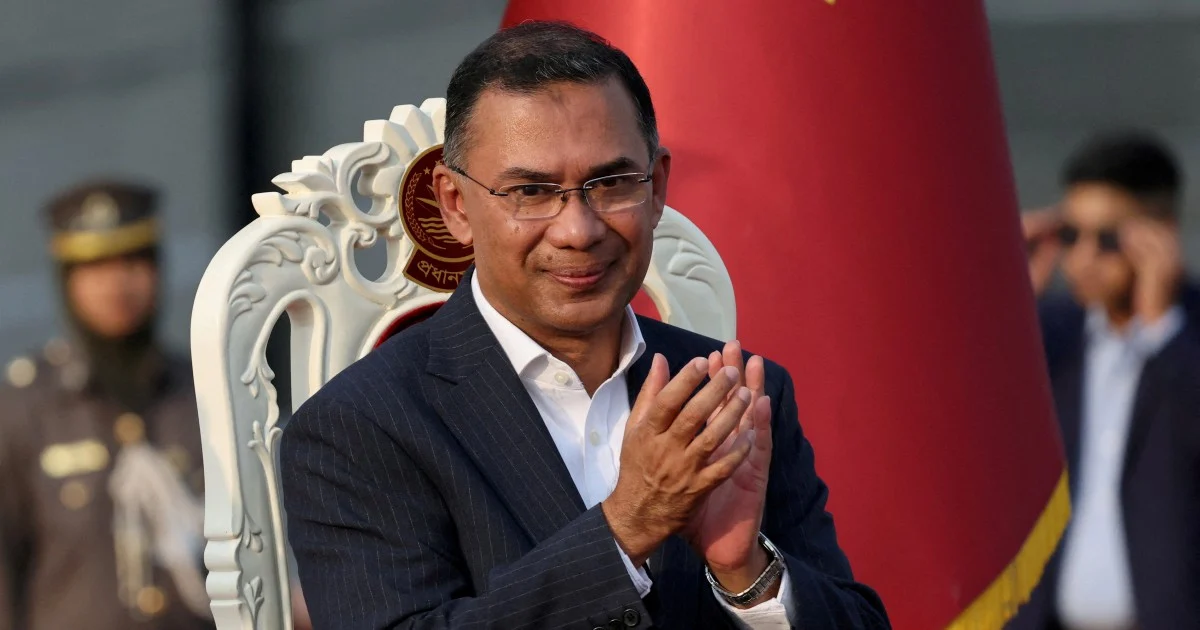
Bangladesh Prime Minister Tarique Rahman touched down at Sepang today, marking the beginning of a significant diplomatic engagement between Dhaka and Kuala Lumpur. The visit represents a deliberate effort by the two nations to move beyond routine diplomatic courtesy and establish a more robust framework for partnership spanning economic, political, and security dimensions. Rahman's presence in Malaysia underscores the growing importance both governments place on their relationship within the broader Southeast Asian context.
The timing of this official visit carries particular weight given the evolving geopolitical landscape across South and Southeast Asia. Bangladesh, with its strategic location at the intersection of major maritime routes and its substantial population of over 170 million, holds considerable importance for regional stability and trade flows. Malaysia, as a key player in ASEAN and the Indian Ocean region, seeks to deepen its connections with South Asian partners to strengthen its position in an increasingly multipolar world order.
Bilateral economic cooperation stands as one of the primary anchors for this engagement. Bangladesh and Malaysia have long maintained trade relationships, but there remains untapped potential for expansion, particularly in sectors such as manufacturing, technology, and digital services. Malaysian companies have shown growing interest in Bangladesh's labour force and emerging market opportunities, while Bangladeshi entrepreneurs view Malaysia as a gateway to ASEAN and a source of investment capital and technical expertise.
The visit creates opportunities for both nations to address shared challenges within the region. Immigration and labour mobility represent areas where practical cooperation can yield immediate benefits. Bangladesh is home to a significant number of workers employed across Malaysia, particularly in construction, manufacturing, and domestic service sectors. Streamlining regulatory frameworks and establishing clearer pathways for skilled migration could benefit workers, employers, and both economies simultaneously.
Security cooperation and maritime issues are likely to feature prominently in discussions between Rahman and Malaysian officials. The Bay of Bengal and the waters surrounding the Malacca Strait remain critical to regional peace and prosperity, and both nations have interests in ensuring freedom of navigation and combating transnational threats such as piracy and human trafficking. Intelligence sharing and naval coordination could enhance capabilities for both countries to respond to emerging security challenges.
Cultural and people-to-people exchanges represent another dimension of this deepening relationship. The Muslim-majority populations of both nations create natural bridges for cultural diplomacy and religious dialogue. Student exchange programmes, academic partnerships, and cultural festivals serve not only to strengthen bilateral bonds but also to promote mutual understanding and soft power projection within the region.
Investment flows merit particular attention as Rahman explores opportunities to attract Malaysian capital into Bangladesh's growing economy. Infrastructure development, renewable energy projects, and special economic zones present compelling investment prospects for Malaysian firms seeking to diversify their regional footprint beyond traditional markets. Conversely, Bangladesh seeks to position itself as an attractive destination for FDI as it transitions toward middle-income status.
The visit also reflects broader strategic calculations within South Asia and ASEAN spheres. India maintains close ties with both Bangladesh and Malaysia, and Delhi's regional strategy shapes how Dhaka and Kuala Lumpur calibrate their own engagement. Rahman's visit demonstrates Bangladesh's commitment to maintaining balanced diplomatic relations across the broader Asian region rather than gravitating exclusively toward any single major power.
Climate change and environmental cooperation constitute an increasingly important agenda for both nations. Bangladesh faces existential challenges from rising sea levels and extreme weather events, making it vulnerable to climate-related disasters. Malaysia possesses experience in tropical environmental management and clean technology development. Joint initiatives on climate resilience, disaster management, and sustainable development could provide mutual benefits while contributing to regional climate action.
The visit signals continuity in Bangladesh's diplomatic approach while potentially laying groundwork for new collaborative frameworks. Trade missions, ministerial exchanges, and sectoral working groups typically follow such high-level visits, creating institutional momentum for sustained engagement. Malaysian officials will likely use this platform to explore joint ventures and policy harmonization in areas ranging from customs procedures to intellectual property protection.
Regional economic integration through mechanisms like ASEAN and the broader Asia region offers a natural arena for Bangladesh-Malaysia cooperation. While Bangladesh is not an ASEAN member, it maintains dialogue partnerships and engages through various regional platforms. Malaysia can serve as an interlocutor, helping Bangladesh navigate regional dynamics and expand its influence within Southeast Asian decision-making structures.
Looking forward, the success of Rahman's visit will be measured not merely by ceremonial exchanges but by concrete outcomes: trade agreements, investment commitments, and institutional arrangements that create sustained momentum. Both nations face domestic pressures and regional competition for attention and resources, making tangible deliverables essential for demonstrating the value of strengthened relations to their respective populations and stakeholders.

