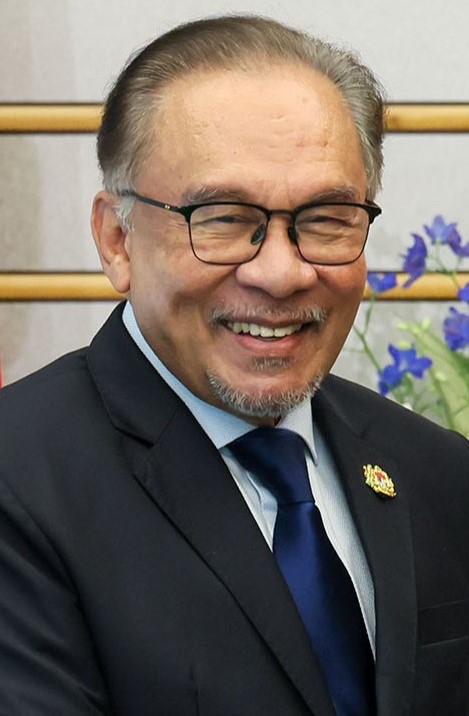
Perikatan Nasional has relieved Azmin of his leadership responsibilities in what the coalition has described as a strategic realignment of its senior personnel. The decision comes as the bloc prepares for crucial state elections in Johor and Negeri Sembilan, two politically significant states that will test the coalition's strength at the regional level following its federal government involvement.
Ahmad Samsuri Mokhtar, serving as PN chairman, confirmed the reshuffle was undertaken with the upcoming elections firmly in view. The timing of such organisational changes typically reflects a coalition's assessment of electoral readiness and its desire to position its leadership team in a manner most likely to strengthen its performance at the ballot box. For Perikatan Nasional, which has played a central role in Malaysian politics since 2020, maintaining momentum in state-level contests remains essential to its long-term political viability.
The removal of Azmin signals potential shifts in how Perikatan Nasional intends to structure its campaign efforts and internal decision-making processes. Leadership reshuffles within political coalitions often precede periods of heightened political activity, as parties seek to allocate their most effective personalities and organisers to areas where they believe they can make the greatest electoral impact. Such moves can also reflect changing dynamics within the broader coalition, where different components may seek greater representation or influence in key decision-making structures.
Johor represents a particular focus for any ambitious coalition seeking to expand or consolidate power at the state level. As Malaysia's southernmost peninsular state and home to a substantial urban and rural population, success in Johor carries outsized symbolic significance. Negeri Sembilan, meanwhile, holds strategic importance as a swing state where electoral fortunes can shift based on prevailing political sentiments and local grievances. Both states offer PN opportunities to demonstrate resilience and electoral appeal beyond its current strongholds.
The reshuffle must be understood within the broader context of Malaysian coalition politics, where regular reorganisations serve multiple purposes beyond immediate electoral preparation. They can serve as mechanisms for managing internal factions, rewarding loyal members, or repositioning personalities whose public standing may have shifted. For Perikatan Nasional, which comprises multiple parties with sometimes competing interests, such adjustments help maintain equilibrium and project an image of decisive leadership.
Azmin's removal from his previous position may also reflect assessments of effectiveness or shifting priorities within PN's leadership circles. Political coalitions constantly evaluate their component leaders' contributions to electoral prospects and policy implementation. Changes in personnel often occur when leadership believes fresh approaches or different personalities might better connect with voter constituencies or manage internal party dynamics more effectively during critical election cycles.
The state elections in Johor and Negeri Sembilan will provide important indicators of where Malaysian voters currently stand on key political issues. These contests occur against a backdrop of evolving public sentiment regarding governance, economic management, and political stability. How Perikatan Nasional fares in these elections could influence its positioning ahead of future federal electoral contests and determine which leaders gain greater prominence within the coalition's hierarchy.
For the broader Southeast Asian region, Malaysia's internal political developments carry significance as well. As a major economy and established democracy, how Malaysian political coalitions navigate electoral contests and internal reorganisations can provide insights into broader trends affecting regional politics. The region continues to experience shifting political alignments and coalitional arrangements, making developments within established parties and coalitions worth monitoring.
The implications of this reshuffle extend beyond immediate electoral calculations. Leadership changes can affect policy priorities, coalition cohesion, and the manner in which government or opposition parties approach key national issues. Within PN, ensuring that reshaped leadership structures can maintain unity among its diverse component parties while projecting clear electoral messaging remains a significant challenge as it prepares for state-level contests that could reshape its political trajectory in crucial states.