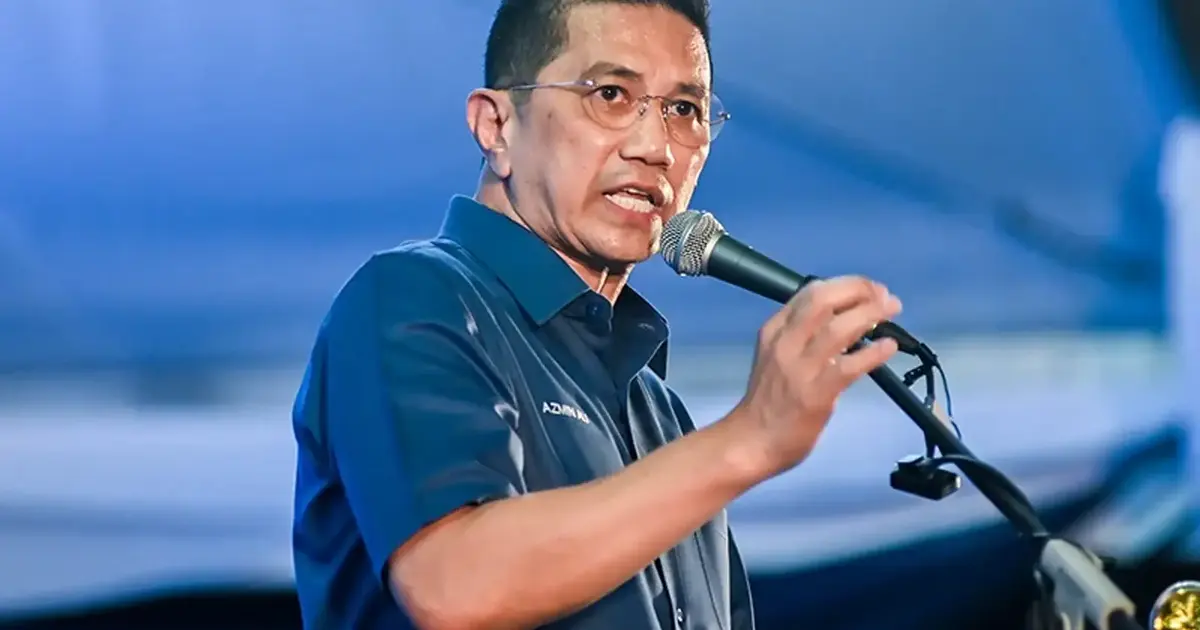
The Malaysian political landscape has shifted attention to Bersatu secretary-general Azmin Ali as a potential facilitator for reconnecting the party with Pakatan Harapan, should the current party president relinquish his position. This speculation reflects deeper currents within the ruling coalition as observers assess the durability of existing power arrangements and the relationships binding key players together.
Azmin's prominence in this scenario stems substantially from his extensive background within PKR, the founding party of Pakatan Harapan. His decade-long tenure as PKR deputy president before joining Bersatu represents the kind of institutional knowledge and personal networks that could prove instrumental in bridging divisions between the two political entities. Unlike many Bersatu members whose political origins lie elsewhere, Azmin retains strong connections to the reformist movement that originally coalesced around Anwar Ibrahim.
Analysts emphasize that Azmin's trajectory through Malaysian politics has been marked by pragmatism and adaptability. His transition from being a significant figure within PKR's internal structure to his current position in Bersatu demonstrates his capacity to operate across different political spaces. These crossing-over capabilities position him as someone genuinely capable of translating concerns and interests between organizations that have demonstrated considerable tension in recent years.
The significance of this analysis becomes clearer when contextualizing the fractious relationship between Bersatu and other Pakatan Harapan components. Since Bersatu's emergence as a separate entity, relations have remained strained despite both organizations operating within the same governing coalition. The prospect of leadership changes at Bersatu's helm has naturally prompted political observers to consider who might facilitate a more harmonious relationship or even formal realignment among these entities.
Azmin's diplomatic positioning also reflects his accessibility to both traditional reformist circles within PKR and the wider Bersatu membership base. Those who have interacted with him across different contexts note his ability to maintain credibility within distinct political networks—a quality essential for anyone aspiring to serve as a meaningful bridge between organizations with competing interests and historical grievances.
The timing of such speculation matters considerably within Malaysia's current political environment. Coalition stability remains perpetually subject to recalibration as individual leaders and factions assess their positions and futures. Azmin's presence as a sitting secretary-general provides him with platform legitimacy and organizational resources that would enhance his ability to navigate delicate inter-party negotiations should such circumstances arise.
For Pakatan Harapan, Azmin's potential role carries particular importance given that absorbing or realigning Bersatu would reshape the balance of power within the coalition significantly. PKR, DAP, and Amanah would each face implications from any substantial structural changes, and having someone with established credibility across these organizations could facilitate smoother transitions than might otherwise occur through confrontational political maneuvering.
The broader implications for Malaysia's governance framework are worth considering. Bersatu's current position reflects the complexities of managing post-2020 political realignments when the first Pakatan Harapan government dissolved into competing configurations. If Azmin were to facilitate closer integration between Bersatu and its original coalition partners, this could represent movement toward greater political consolidation—though such outcomes remain speculative rather than imminent.
What distinguishes Azmin from other potential candidates for facilitator roles is not merely his background but his proven ability to operate successfully across party boundaries. His acceptance within Bersatu circles while maintaining relationships with former PKR colleagues suggests he has avoided the antagonism that characterizes some political transitions. This comparative neutrality enhances his utility as a potential intermediary.
Critics of such projections note that political circumstances shift rapidly and that current leadership configurations may prove more durable than speculation suggests. Nonetheless, analysts regard the attention paid to Azmin's potential bridging role as reflecting realistic assessment of how Malaysian politics navigates institutional realignment and factional repositioning. His combination of historical tenure in reformist structures and current organizational position makes him a natural focal point when discussing possible future configurations.
The question of whether such scenarios materialize depends on numerous variables beyond any single individual's capabilities or positioning. Political will from senior leaders within both organizations, electoral considerations, and broader national circumstances all influence whether bridge-building becomes necessary or possible. Azmin's readiness to assume such a role, should circumstances warrant, appears evident from his track record and current standing.

