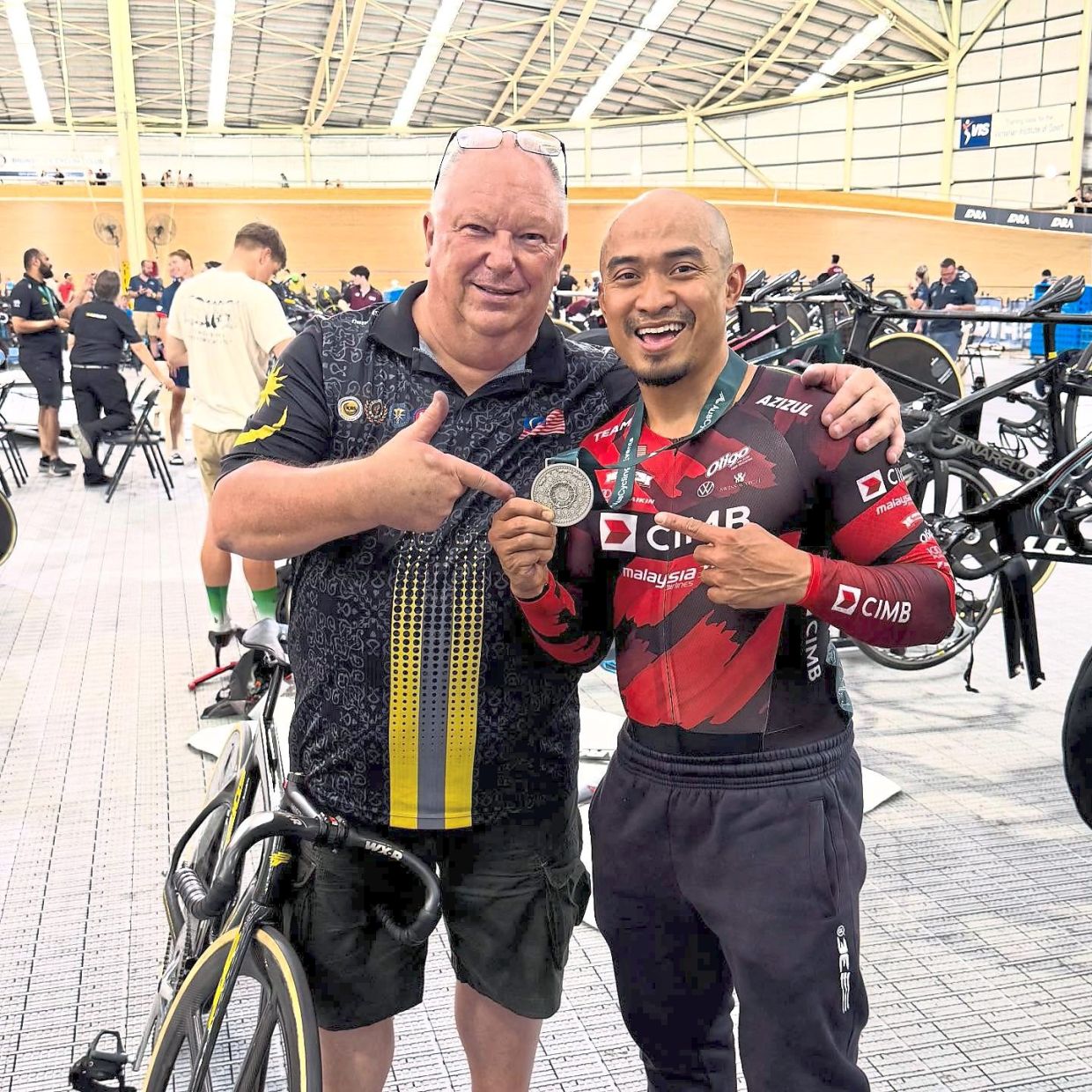
Azizulhasni Awang, Malaysia's decorated track cyclist and two-time Olympic medallist, has made clear that his decision to publicly support technical director John Beasley comes with considerable personal risk. The national athlete recognises that by stepping into the controversy surrounding the Australian coach, he has potentially exposed himself to scrutiny and criticism from those who remain dissatisfied with the national team's direction or performance trajectory.
Azizul's willingness to speak out reflects a deeper conviction about Beasley's contributions to Malaysian cycling over the past two decades. The technical director has played an instrumental role in elevating the sport domestically and producing elite-level competitors on the international stage. However, this backing has not shielded Azizul from understanding that public statements in favour of embattled figures can invite retaliation or attempts to discredit both the supporter and the supported.
The track cycling star indicated that he remains fully cognisant of the consequences should Malaysia's performance at upcoming Commonwealth Games and Asian Games fall short of expectations. In such circumstances, he anticipates that media attention and public opinion may turn towards him as collateral damage. Rather than attempt to dodge this reality, Azizul has chosen to confront it head-on, acknowledging that criticism is "normal" in the demanding environment of elite sport where results ultimately determine credibility.
Despite these sobering calculations, Azizul has expressed confidence in his position grounded in spiritual conviction. He has stated that he does not fear the potential backlash because he believes his actions are guided by divine will. This appeal to faith represents more than mere rhetoric; it signals that Azizul's support for Beasley stems from a principled stance rather than tactical positioning. His invocation of "Kun Fa Ya Kun"—an Islamic phrase meaning "Be and it is"—underscores his acceptance of outcomes beyond his control while emphasising his commitment to speaking truthfully about matters he considers important for the nation's sporting interests.
The timing of Azizul's public defence of Beasley is significant. It arrives as the Malaysia National Cycling Federation (MNCF) has moved to discipline two individuals from state affiliates by issuing show-cause letters. These individuals had publicly criticised Beasley without following official administrative channels, thereby damaging the federation's institutional reputation. The federation's response suggests an attempt to restore order and establish proper protocols for addressing concerns internally rather than through media commentary.
Beasley's tenure has been marked by tangible success in developing world-class cyclists, a reality that appears to weigh heavily in Azizul's decision to defend him vocally. The Australian's strategic vision and technical expertise have contributed materially to Malaysia's standing in international track cycling competitions. Yet the very success that Beasley has helped facilitate has also raised stakes and expectations, creating an environment where any perceived shortfall in results invites rapid second-guessing and blame-shifting among stakeholders.
For Malaysian readers and cycling enthusiasts, Azizul's stance carries implications beyond individual loyalty. It reflects the broader tension within Malaysian sports governance between institutional accountability and external pressure from various factions. The athlete's calculated acceptance of personal risk illustrates how elite performers must navigate complex political and reputational landscapes while maintaining focus on training and competition preparation.
Azizul has made clear that his primary concentration remains ensuring smooth preparations for the upcoming Commonwealth Games and Asian Games. He has appealed for unified support from all stakeholders—administrators, media, and the public—to enable athletes and the national team to pursue international success without distraction. This plea suggests frustration with internal discord that threatens to undermine collective effort during a critical competition window.
The disciplinary action initiated by the MNCF indicates institutional determination to enforce standards of professional conduct and protect the federation's public standing. By targeting those who aired grievances publicly rather than through official channels, the federation has signalled that procedural compliance matters alongside substantive concerns. Whether this approach succeeds in restoring confidence and unity within Malaysian cycling remains an open question.
Azizul's willingness to absorb potential criticism on behalf of defending Beasley also highlights how individual athletes sometimes feel obligated to take positions on institutional and administrative matters that extend beyond their formal responsibilities. His argument that Beasley has contributed substantially to national cycling success represents a counter-narrative to critics who may prioritise other factors or harbour different visions for the sport's governance and direction.
Looking ahead, the true measure of whether Azizul's defence of Beasley proves justified will likely be performance at the Commonwealth Games and Asian Games. Strong results could validate his confidence in current leadership and quieten detractors. Conversely, disappointing outcomes may intensify scrutiny on both coach and athlete. For Malaysian cycling stakeholders, the coming months will test whether internal unity can be maintained under the pressure of major international competition.

