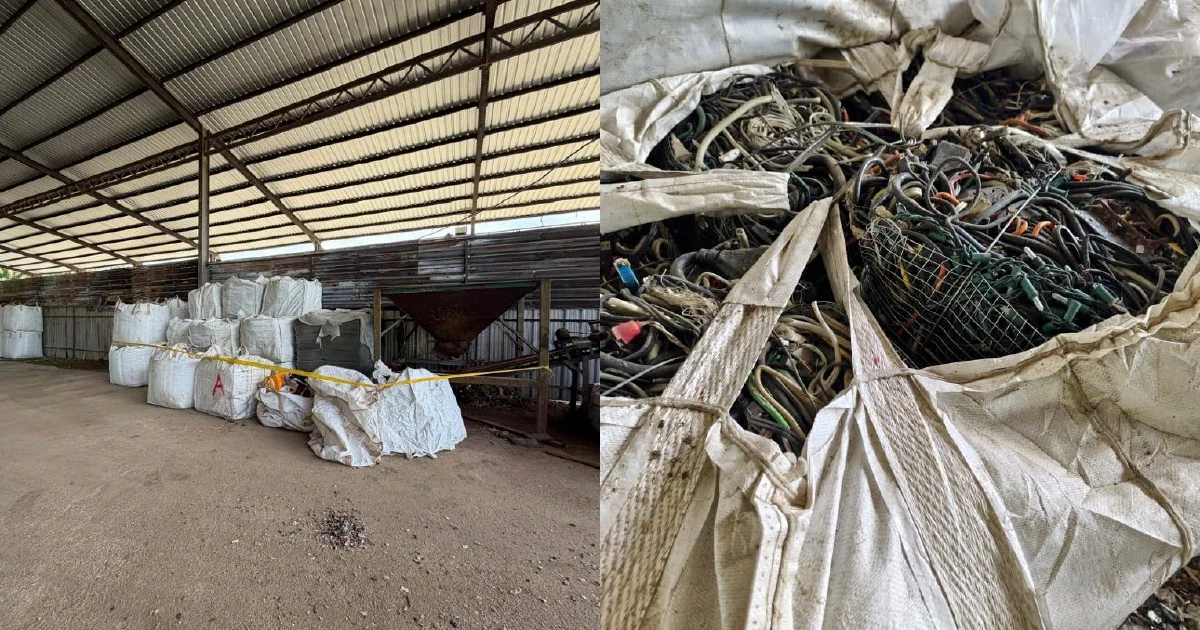
Authorities have uncovered a substantial illegal electronic waste operation in Bukit Mertajam, leading to the seizure of materials estimated at RM3 million and the arrest of five individuals connected to the facility. The raid, conducted yesterday, targeted an unlicensed processing and storage hub where electronic waste was being handled outside regulatory oversight, marking a notable enforcement action against environmental crimes in Penang.
The facility has become the focus of an intense investigation into how hazardous materials were being managed without proper licensing or environmental safeguards. Illegal e-waste operations represent a significant environmental and public health threat, as they typically involve the improper extraction of valuable metals and components from discarded electronics using methods that release toxic substances into air, water, and soil.
The seizure underscores growing concerns about the proliferation of unregistered e-waste processors across Malaysia. As consumer electronics consumption surges throughout Southeast Asia, the stream of obsolete devices has created opportunities for unscrupulous operators to circumvent regulatory requirements, prioritizing profit extraction over environmental protection and worker safety.
E-waste contains hazardous substances including lead, mercury, cadmium, and flame retardants that pose serious risks to human health and the ecosystem. When processed illegally without proper containment and ventilation systems, these materials contaminate surrounding areas and expose workers to dangerous conditions. The recovery of such a large cache at the Bukit Mertajam site suggests the operation had been functioning for some time, potentially causing cumulative environmental damage.
The five arrests indicate that the enforcement authorities have moved beyond seizing materials to holding individuals accountable for their involvement in the illegal operation. Identifying and prosecuting key operators within these networks is essential to disrupting supply chains that feed illegal processing facilities and to deterring similar ventures elsewhere in the country.
For Malaysian manufacturers and legitimate e-waste recyclers, this operation highlights the competitive disadvantage they face when unlicensed competitors operate without the costs associated with environmental compliance, proper worker protections, and regulatory licensing. The enforcement action levels the playing field and reinforces that the government takes regulatory violations seriously.
The recovery also reflects Malaysia's commitment to addressing transboundary e-waste flows. The country has become a transit point and destination for illegal e-waste shipments from developed nations, where disposal costs are high. Local illegal processors purchase shipments at discounted rates and extract valuable components, creating a profitable but environmentally devastating chain that stretches across regions.
Regional cooperation remains critical to tackling e-waste trafficking. As individual countries tighten domestic enforcement, criminal networks increasingly exploit weak enforcement in neighbouring jurisdictions. The Association of Southeast Asian Nations and bilateral agreements have become increasingly important in enabling information sharing, coordinated raids, and prosecution support across borders.
The Bukit Mertajam raid aligns with Malaysia's broader push to strengthen environmental enforcement under its National Waste Management Policy. The government has been increasing inspections, upgrading penalties for violations, and promoting the formalisation of the recycling sector to bring unregistered operators into compliance frameworks.
Legitimate e-waste management offers significant economic potential. Properly licensed recyclers can extract valuable materials including gold, copper, and rare earth elements that substantially offset processing costs. This creates a sustainable business model that does not require cutting corners on environmental or safety standards. The authorities' focus on dismantling illegal operations aims to shift market dynamics toward responsible processors.
The investigation will likely examine how the facility obtained materials, where processed waste was being transported, and whether there are connections to larger smuggling networks. Such intelligence can inform future operations and help authorities identify other nodes within the illegal e-waste ecosystem operating in Penang and surrounding states.
Consumers and businesses also have roles to play in addressing e-waste proliferation. Proper disposal through licensed facilities, producer responsibility initiatives, and awareness campaigns can reduce the volume of equipment entering illegal channels. As regional demand for electronics continues growing, embedding circular economy principles and extended producer responsibility becomes increasingly urgent.
The five-person arrest and RM3 million asset seizure send a message that Malaysia's enforcement agencies possess the capacity and resolve to dismantle sophisticated illegal operations. Sustained pressure on illegal processors, combined with support for legitimate recyclers and consumer education, offers a more comprehensive approach to solving what has become one of the region's most pressing environmental crimes.