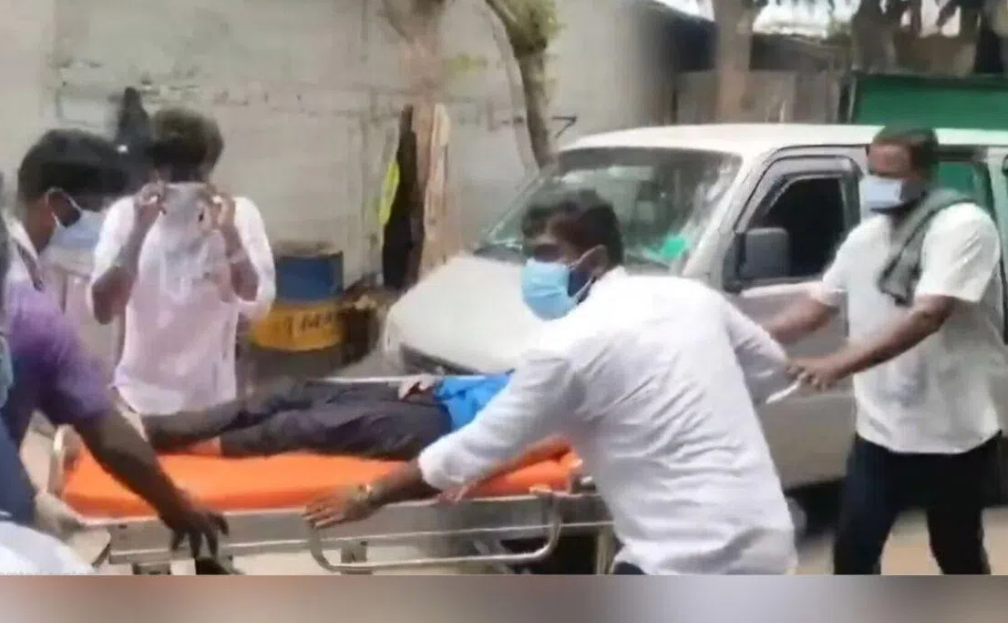
A catastrophic ammonia gas leak at a seafood processing and export facility near Periyapalayam village in Tamil Nadu's Thiruvallur district claimed the lives of at least six workers on Sunday, with dozens more requiring hospital treatment. The incident underscores persistent safety vulnerabilities in India's industrial sector, particularly among facilities employing vulnerable migrant labour forces. Approximately 120 workers, predominantly migrant labourers from northeastern states including Assam, Odisha and Jharkhand, were on premises when the leak was detected and rapidly engulfed sections of the plant.
Initial investigations suggest the hazardous gas escaped from the facility's refrigeration or processing systems, which are integral components of seafood preservation in export-oriented enterprises. The chemical dispersed quickly throughout the workspace, creating an acutely dangerous environment before workers could be evacuated. Witnesses described scenes of panic as employees fled from contaminated zones, with many experiencing acute physiological distress within minutes of exposure.
The health consequences proved immediately severe. Exposed workers reported difficulty breathing, vertigo and acute respiratory irritation. More alarming indicators emerged, with some casualties showing signs of epistaxis—nosebleeds—and oral bleeding, suggesting exposure concentrations reached dangerously toxic levels. The rapid onset and intensity of symptoms indicated workers had inhaled substantial quantities of ammonia gas, which damages lung tissue and can prove fatal without rapid medical intervention.
Emergency services responded swiftly to the crisis, with rescue teams, police and local officials mobilising to evacuate affected workers and prevent additional exposure. The injured were transported to regional hospitals, where medical teams worked to stabilise those with severe respiratory compromise. Several workers remained in critical condition, their survival dependent on sustained intensive care and oxygen support.
Tamil Nadu Chief Minister C. Joseph Vijay responded to the disaster by directing comprehensive medical support for all casualties and ordering an immediate three-member inquiry committee to investigate root causes. The panel received instructions to examine facility operations, examine safety compliance records and identify specific procedural failures that contributed to the leak. Officials were mandated to complete preliminary findings within 24 hours, reflecting the urgency authorities attached to understanding how such a serious breach of industrial safety occurred.
The investigation framework extends beyond immediate incident analysis. Authorities plan to scrutinise whether the facility maintained adequate safety protocols, conducted regular maintenance checks on refrigeration systems, and provided workers with appropriate protective equipment and safety training. Preliminary assessment will examine compliance with industrial safety regulations established under Indian law, which mandate specific standards for chemical handling, ventilation systems and emergency response procedures at industrial facilities.
The role of migrant labour deserves particular scrutiny in this incident. The workforce comprised seasonal and temporary workers from economically disadvantaged regions, potentially facing employment dynamics that discourage raising safety concerns. Such workers frequently lack familiarity with facility-specific hazards and may receive inadequate orientation regarding emergency procedures. The composition of the workforce—predominantly women and individuals from peripheral regions—raises questions about whether such vulnerabilities were exploited or overlooked by management.
For Malaysian observers, this incident resonates with regional industrial safety challenges. Southeast Asia's growing food processing and export sectors employ comparable migrant workforce populations, often with similar vulnerabilities. Malaysia's substantial food export industry, including seafood processing facilities operating in states like Selangor and Johor, relies significantly on migrant labour. The Tamil Nadu incident underscores necessity for rigorous safety compliance, particularly in chemical-intensive operations where ammonia and other refrigerants pose constant hazards.
The broader context includes India's persistent struggle to enforce industrial safety standards uniformly across its manufacturing base. While legislation exists to regulate hazardous operations, implementation varies considerably, particularly in labour-intensive sectors serving export markets. Seafood processing represents a crucial revenue generator for Tamil Nadu and India's coastal economy, creating competitive pressure that sometimes incentivises cost-cutting that undermines safety investments.
Ammonia leaks represent a well-documented occupational hazard in refrigerated food processing. Previous incidents across Asia have established protocols for managing such emergencies, yet their recurrence suggests implementation gaps persist. Facilities require regular audits of refrigeration systems, mandatory ventilation standards, accessible emergency shut-off mechanisms, and worker training in hazard recognition and evacuation procedures. These measures demand capital investment that some operators resist when regulatory enforcement remains inconsistent.
The police registration of criminal charges indicates authorities are treating the incident as potentially culpable rather than purely accidental. This approach may address systemic negligence if investigation reveals deferred maintenance, absent safety equipment or inadequate emergency planning. Establishing accountability through criminal proceedings can incentivise improved compliance across comparable facilities operating in the region.
Looking forward, the Tamil Nadu inquiry committee's findings will likely influence safety expectations for seafood processing operations across India and potentially South Asia more broadly. If investigation confirms preventable safety lapses, resulting recommendations could pressure facility operators to strengthen maintenance protocols, enhance worker protections and improve emergency response capabilities. For Malaysian facilities operating similar processes, this incident serves as a cautionary example of consequences when safety oversight lapses.

