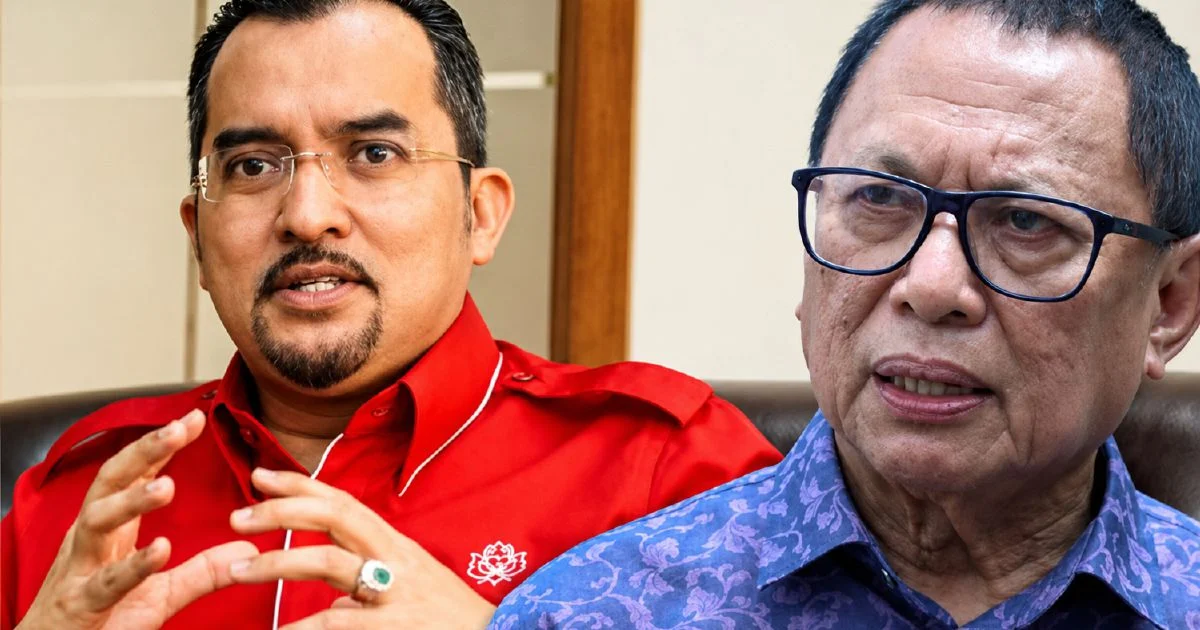
The internal friction within Umno has intensified following Datuk Dr Mohd Puad Zarkashi's decision to leave the party, prompting a sharp rebuttal from Datuk Dr Asyraf Wajdi Dusuki, the party's secretary-general, in Johor Baru. The exchange underscores growing tensions within Malaysia's largest Malay-Muslim political organisation as it grapples with questions of internal governance and factional disputes at senior levels.
Ashyraf Wajdi's forceful response centres on refuting allegations that have emerged alongside Puad Zarkashi's departure. The specific nature of Puad Zarkashi's accusations appears to involve claims concerning royal influence over party decisions, a particularly sensitive issue given the constitutional role of the Malay rulers and the cultural significance they hold within Umno's traditional support base. By choosing to respond publicly and emphatically, Asyraf Wajdi has signalled that party leadership intends to defend its operational independence robustly.
The resignation of senior figures from Umno carries particular weight in Malaysian politics. Umno has historically dominated the Barisan Nasional coalition and wielded considerable influence over federal and state governments throughout Malaysia's post-independence period. When prominent members depart, especially those with the standing of Puad Zarkashi, it reflects deeper institutional challenges that merit scrutiny beyond the immediate personal dispute between the two men.
Contextually, Malaysian politics has witnessed recurring cycles of internal party conflict, particularly within Umno during periods of transition or policy uncertainty. The involvement of palace-related claims adds another dimension, as it touches on the intersection between executive politics and constitutional monarchical institutions. This remains a delicate subject within Malaysian governance frameworks, and accusations of improper influence in either direction carry significant reputational implications for all parties involved.
Ashyraf Wajdi's role as secretary-general places him at the heart of party administration and organizational matters. His vigorous defence suggests he views Puad Zarkashi's allegations as potentially damaging to the party's institutional standing and perhaps his own management credibility. The public nature of his response indicates that the dispute has moved beyond private party channels into the realm of public discourse, where perceptions matter considerably.
Puad Zarkashi's decision to resign rather than remain and contest issues internally reflects a significant breakdown in factional negotiations or policy consensus within Umno leadership circles. His willingness to make public allegations regarding palace involvement demonstrates that this represents more than a routine disagreement over procedural matters. The specificity of naming institutional actors suggests substantive grievances rather than mere personality clashes.
For Malaysian readers and regional observers, this dispute carries implications regarding Umno's internal stability during a period when the party faces broader challenges in electoral competitiveness and relevance among younger demographics. Internal conflicts of this magnitude can undermine party cohesion when disciplinary and reconciliation mechanisms prove insufficient to manage factional disagreements. The manner in which party leadership handles such disputes sets important precedents for how future conflicts might be resolved.
The public airing of grievances between senior Umno figures also reflects broader patterns within Malaysian politics where factional disputes increasingly find expression through media channels and public statements rather than through closed-door negotiations or established dispute resolution processes. This trend has implications for political culture and how institutions manage internal conflict while maintaining public confidence and operational effectiveness.
Ashyraf Wajdi's forceful response strategy appears designed to frame Puad Zarkashi's allegations as unfounded while simultaneously reasserting the legitimacy of his own leadership position. By hitting back strongly rather than offering measured responses or seeking reconciliation, he signals confidence in his standing within party structures but also risks prolonging the public dispute and deepening factional divisions if other senior members feel compelled to take sides publicly.
The palace dimension merits particular attention for Malaysian observers familiar with constitutional conventions. Accusations involving royal influence in party affairs touch on sensitive constitutional territory. If Puad Zarkashi's claims suggest improper intervention, this raises serious governance questions. Conversely, if he is leveraging palace-related allegations for factional advantage, this represents a different concern regarding how constitutional institutions might be invoked for partisan purposes.
Moving forward, the trajectory of this dispute will depend partly on whether other Umno figures choose to intervene, whether party reconciliation mechanisms activate, and whether the matters at issue extend beyond personal grievances to reflect genuine institutional problems. The public statements already made suggest that private resolution may prove difficult without additional developments that might allow both parties to step back from entrenched positions.
For Southeast Asian observers, this internal Umno dispute provides a window into how Malaysia's largest political party manages succession questions, institutional governance, and factional dynamics during periods of electoral vulnerability and generational transition. The outcome will likely influence not only Umno's internal cohesion but also the broader stability of Malaysia's political landscape as elections and leadership transitions loom in coming years.

