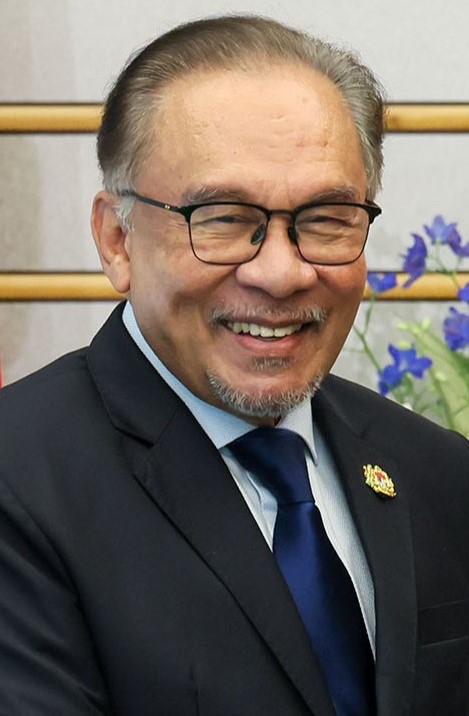
Prime Minister Datuk Seri Anwar Ibrahim's scheduled visit to Turkmenistan between June 18 and 19 marks a significant opportunity to elevate Malaysia's strategic engagement with the Central Asian energy powerhouse. The two-day mission to the capital Ashgabat comes at a moment when Malaysia is actively diversifying its international partnerships and exploring new avenues for economic cooperation beyond its traditional regional sphere of influence.
The visit carries particular weight given Turkmenistan's substantial hydrocarbon reserves and its position as a major supplier of oil and natural gas to global markets. For Malaysia, which remains heavily dependent on energy imports to fuel its industrial sectors and power generation needs, strengthening ties with Turkmenistan offers potential advantages in securing stable and diversified energy supplies. The Central Asian nation sits atop vast proven reserves and has developed sophisticated extraction and export infrastructure over recent decades, making it an attractive partner for countries seeking long-term energy security agreements.
Beyond the energy sector, the engagement signals Malaysia's broader commitment to developing comprehensive bilateral relationships that span multiple economic dimensions. Transportation and logistics represent a particularly logical area for cooperation, given Malaysia's strategic location as a gateway to Southeast Asian markets and its established expertise in maritime trade. The deep-water ports in Klang and Port Kelang have positioned the nation as a regional hub, and expanding this connectivity to Central Asia through improved transport corridors and logistics partnerships could benefit both nations significantly.
Agricultural cooperation also stands as a meaningful component of the anticipated discussions. Turkmenistan, with its extensive arable lands in the Karakum Desert that have been developed through irrigation, holds substantial agricultural potential that could complement Malaysia's position as a food-importing nation. Joint ventures in crop production, food processing, or agricultural technology transfer could provide Malaysian companies with access to production capacity while helping Turkmenistan enhance agricultural productivity and value-added processing.
The timing of this diplomatic initiative reflects Malaysia's strategic recalibration under Prime Minister Anwar Ibrahim's leadership, which has emphasised strengthening ties across diverse regions and economic blocs. By extending Malaysia's diplomatic and commercial reach into Central Asia, the government seeks to reduce reliance on established trading partners and create alternative pathways for economic growth. This approach also positions Malaysia as a bridge between Southeast Asia and Central Asian markets, enhancing the nation's geopolitical relevance and soft power.
Turkmenistan has historically maintained a foreign policy of permanent neutrality, which it enshrined constitutionally and which has shaped its international engagement patterns. This stance means the country carefully cultivates relationships with multiple partners rather than aligning with any particular bloc, creating opportunities for nations like Malaysia to develop pragmatic, non-ideological partnerships focused on mutual economic benefit. The neutral framework allows both countries to pursue cooperation without the complications that often accompany more ideologically-driven international relationships.
For Malaysia's private sector, the visit presents tangible opportunities to identify investment possibilities and establish business connections within Central Asia. Malaysian companies operating in engineering, construction, and technology sectors may find growing markets in Turkmenistan, while energy sector expertise could be leveraged for joint ventures or technology partnerships. The official visit typically facilitates business-to-business networking that extends beyond formal government agreements, creating momentum for private sector engagement.
The visit also demonstrates Malaysia's commitment to broadening its diplomatic footprint in regions where it historically had limited presence. As Southeast Asian nations increasingly compete for influence and partnership opportunities, Malaysia's proactive engagement with Central Asian partners reflects recognition that future economic opportunities lie beyond the traditional Asian regional arrangements. This geographical diversification serves as a hedge against over-concentration of trade and energy dependencies in any single region.
From Turkmenistan's perspective, the visit represents an opportunity to strengthen relationships with Southeast Asian nations and tap into the region's dynamic markets and capital. Malaysia's developed financial sector, established trade networks, and technological capabilities make it an attractive partner for a country seeking to modernise its economy and expand its international commercial reach beyond its traditional Russian and Chinese relationships.
The expected outcomes of the June 18-19 visit will likely include discussions around specific energy contracts, memoranda of understanding in transport and logistics, and frameworks for agricultural collaboration. While high-level bilateral visits frequently culminate in non-binding agreements that require subsequent negotiations, the joint statements and frameworks established during such visits provide the diplomatic foundation necessary for deeper engagement.
For Malaysian readers, the significance of this visit extends beyond immediate commercial gains. It signals that the Malaysian government actively pursues diversified foreign partnerships rather than remaining exclusively focused on Southeast Asian or traditional Western relationships. This diplomatic activism, combined with Malaysia's geographical advantages and economic strengths, positions the nation as a credible partner for emerging economies seeking reliable commercial relationships in Asia.
The Ashgabat visit underscores the reality that modern economic partnerships increasingly transcend geographical proximity and historical alliances. As supply chains become more complex and energy markets more competitive, nations like Malaysia and Turkmenistan find common interests in forging mutually beneficial arrangements. The success of this visit will be measured not merely by agreements signed, but by the practical implementation of cooperation frameworks that genuinely address both nations' development priorities and economic aspirations.