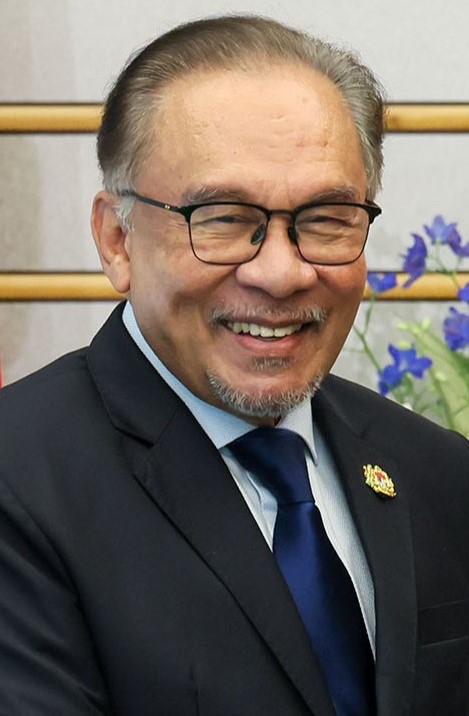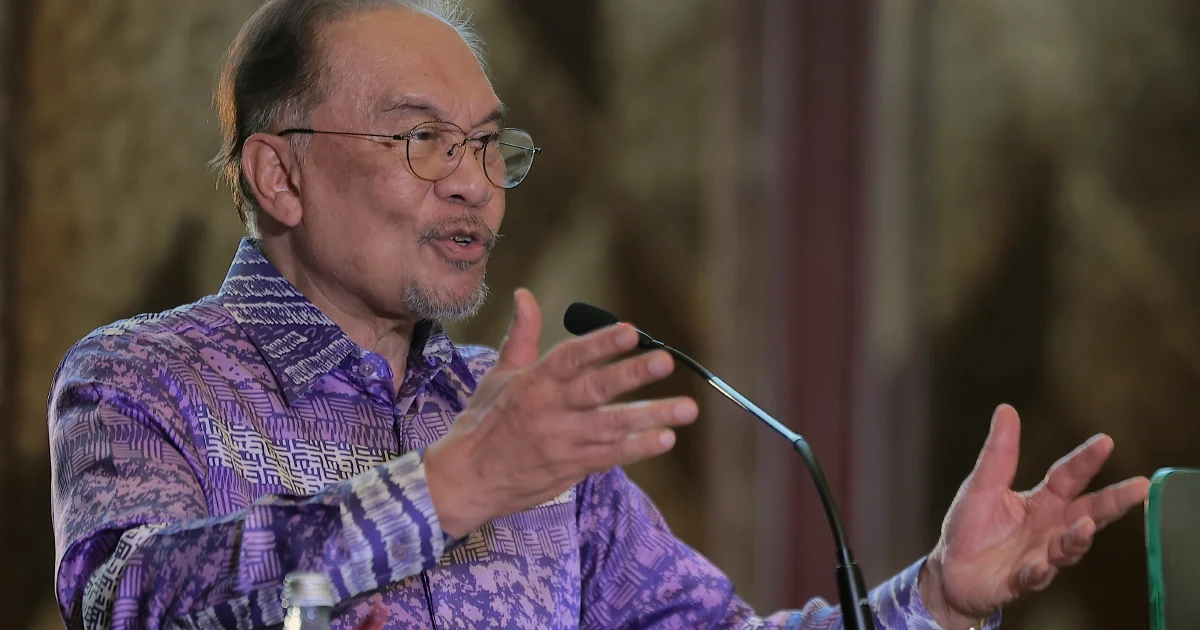
Prime Minister Datuk Seri Anwar Ibrahim is set to travel to Kazan for a two-day working visit starting June 17, during which he will hold discussions with Rais of the Republic of Tatarstan Rustam Minnikhanov. The engagement represents a significant step in Malaysia's efforts to broaden its strategic partnerships beyond traditional Western allies and strengthen connections with key players in Eastern Europe and Central Asia.
The visit underscores Malaysia's diplomatic strategy of maintaining equidistant relationships with major powers while advancing regional interests through platforms like Asean. By meeting with Minnikhanov, Anwar will engage directly with one of Russia's most economically dynamic regions, which has positioned itself as a bridge between Moscow and the wider international community. Tatarstan, located at the intersection of Europe and Asia, has developed considerable influence in Russian politics and maintains extensive economic ties across multiple continents.
For Malaysia, this engagement holds particular value given the evolving geopolitical landscape in Southeast Asia. As regional nations navigate competing interests from various powers, bilateral dialogues with Russia offer opportunities to secure alternative partnerships and ensure that Asean's voice carries weight in broader international forums. Malaysia's positioning as a moderate Muslim-majority nation in Southeast Asia gives it unique leverage in conversations about bridging divides between different geopolitical spheres.
The strengthening of Malaysia-Russia relations through high-level visits reflects a broader trend of Southeast Asian nations diversifying their diplomatic portfolios. Rather than relying solely on traditional partnerships, countries in the region are cultivating connections with Russia, China, India, and other emerging powers to maximise their strategic autonomy. Anwar's trip demonstrates this pragmatic approach, signalling Malaysia's commitment to exploring mutually beneficial opportunities regardless of ideological or systemic differences.
Tatarstan itself represents an interesting focal point for Malaysian engagement. The region has invested heavily in modernisation, economic development, and cultural exchange initiatives. With a population exceeding four million and an economy that contributes significantly to Russia's gross domestic product, Tatarstan commands considerable economic and political weight. Its leadership has shown willingness to engage with diverse international partners, creating openings for dialogue on trade, investment, and cultural cooperation.
The timing of this visit may also reflect Malaysia's broader engagement with Russia amid shifting global dynamics. As Western nations have increased sanctions and diplomatic pressure on Moscow, countries like Malaysia have maintained pragmatic relationships, neither fully aligning with nor completely isolating Russia. This balanced approach allows Malaysia to leverage its relationships for national benefit while maintaining credibility with other international actors.
Potential areas of cooperation between Malaysia and Tatarstan could encompass trade expansion, technology transfer, educational exchanges, and cultural initiatives. Tatarstan has developed expertise in areas ranging from petroleum and petrochemicals to information technology and renewable energy—sectors where Malaysia has clear interests. Conversely, Malaysia's experience in Islamic finance, halal industries, and tropical agriculture could interest Tatarstan's development planners.
The visit also carries significance for Asean as a collective entity. Anwar, as chair of Asean, carries responsibility for advancing the grouping's interests in international forums. His discussions in Kazan could help establish frameworks through which Asean engages more systematically with Russia and Russian regions, potentially leading to broader regional arrangements. This could include trade dialogues, security consultations, or multilateral initiatives addressing shared challenges.
Malaysia's approach reflects a recognition that in contemporary international relations, smaller and medium-sized powers must actively cultivate multiple partnerships to maintain influence and protect their interests. The visit to Kazan demonstrates this principle in action—ensuring that Malaysia remains relevant in conversations that shape regional and global affairs, while building networks that serve the country's long-term strategic objectives.
For Russia, engagement with Malaysia and Asean through figures like Anwar provides opportunities to strengthen its position in Southeast Asia and maintain influence despite international pressures. Tatarstan's participation in receiving the Malaysian Prime Minister elevates the region's profile and demonstrates Russia's capacity to engage constructively with important players in the developing world.
The success of this visit will likely be measured not merely by immediate announcements but by whether it establishes foundations for sustained engagement across multiple sectors. The discussions between Anwar and Minnikhanov will probably touch on bilateral commercial potential, cultural exchanges, and mechanisms for deeper institutional cooperation. Such foundations could prove valuable for Malaysia's long-term positioning in an increasingly multipolar world.