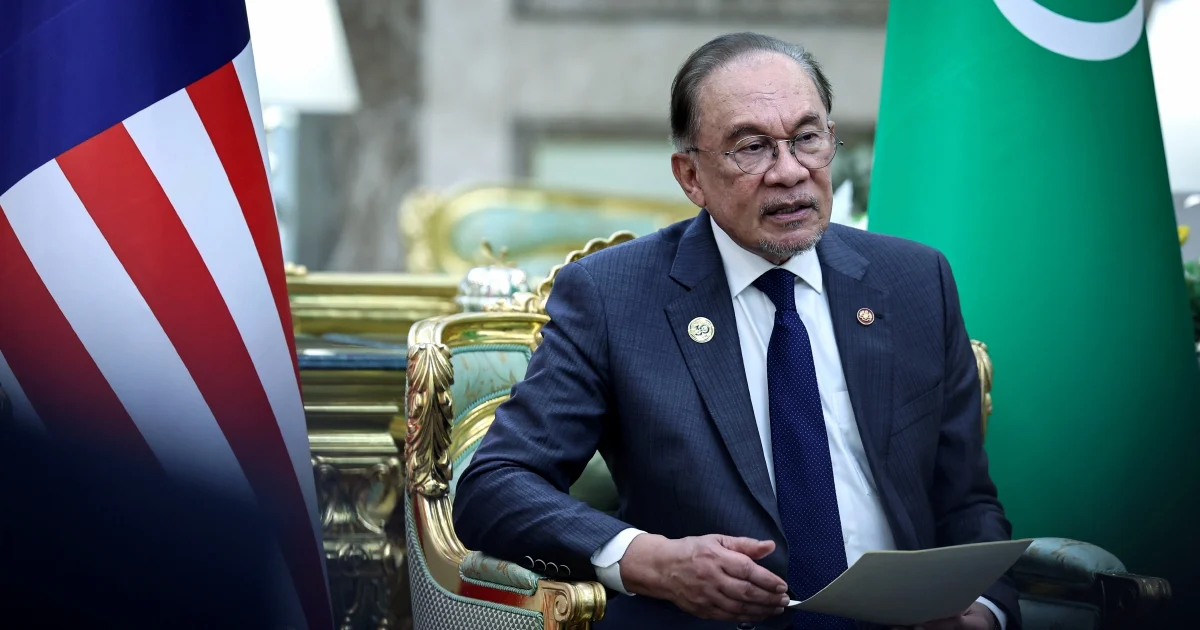
Prime Minister Datuk Seri Anwar Ibrahim has expressed his approval of reports indicating a preliminary accord between the United States and Iran, characterising the development as encouraging for global stability. Speaking in Batu Kawan, Anwar highlighted the significance of such diplomatic breakthroughs in an increasingly polarised international landscape where geopolitical tensions continue to threaten regional peace and economic prosperity.
The Malaysian leader's comments reflect a broader diplomatic perspective that emphasises dialogue over confrontation as a pathway to resolving longstanding international disputes. For a nation like Malaysia that operates within a complex geopolitical environment spanning multiple strategic interests, the reduction of tensions between major world powers carries substantial implications for regional security architecture and trade dynamics throughout Southeast Asia.
Anwar's cautious optimism stems from Malaysia's position as a small to medium-sized economy with significant stakes in maintaining stable international relations. When dominant powers engage in hostile posturing, smaller nations often find themselves caught in the crossfire, facing pressure to choose sides while attempting to preserve their own strategic autonomy. Any breakthrough between Washington and Tehran therefore represents more than bilateral progress; it signals potential relief from the secondary effects that ripple through global markets and geopolitical alignments.
The Prime Minister's statement also underscores Malaysia's commitment to multilateral engagement and the importance of sustained dialogue in addressing international disputes. As a nation that has historically advocated for constructive engagement within international forums, Malaysia views the possibility of US-Iran reconciliation through the lens of precedent-setting. Successful diplomacy in this particular context could provide a blueprint for addressing other regional and international conflicts where entrenched positions have calcified into seemingly intractable standoffs.
From an economic perspective, any thawing of US-Iran relations carries tangible consequences for Malaysian business interests. Sanctions regimes, though primarily affecting direct trading partners, create broader market disruptions and unpredictability that affect export-dependent economies like Malaysia's. A sustained improvement in US-Iran relations could gradually normalise regional trade patterns, reduce commodity price volatility, and create new commercial opportunities in the Middle Eastern marketplace.
Anwar's emphasis on the need for lasting peace rather than merely temporary tactical agreements demonstrates sophisticated understanding of diplomatic nuance. Initial agreements, while symbolically important, often prove fragile without accompanying structural changes in relationships and mutual confidence-building measures. The Malaysian leader's implicit call for permanence rather than ephemeral truces reflects awareness that periodic crises in US-Iran relations have historically destabilised broader regional arrangements and created humanitarian crises in conflict zones.
The Malaysian perspective on this matter also reflects the nation's Islamic heritage and its role as a bridge between Muslim-majority and Western-aligned nations. Iran, as the world's largest Shia-majority country, occupies a unique position within Islamic geopolitics, while Malaysia maintains diplomatic relations across religious and ideological divides. Anwar's welcoming stance therefore carries particular symbolic weight, signalling that improving relations between the US and Iran need not undermine Muslim solidarity or create divisions within the Islamic world.
Moreover, Malaysia's stance on this development demonstrates the nation's broader commitment to the principle of sovereign equality and non-interference in the internal affairs of states. By refraining from moral judgments about either party's governance or previous actions, while still welcoming diplomatic progress, Malaysia maintains its credibility as a neutral actor capable of engaging with diverse international partners across ideological lines.
For Southeast Asian stability specifically, the implications of reduced US-Iran tensions extend to maritime security in critical shipping lanes, potential reorientation of military deployments, and shifting alignments within multilateral organisations. The Strait of Malacca, through which a substantial portion of global trade passes, remains vulnerable to disruptions stemming from Middle Eastern instability. Any moves toward regional de-escalation therefore have direct bearing on Malaysian security interests and those of neighbouring states.
Anwar's comments also position Malaysia within the broader international community's collective preference for negotiated settlements over military confrontation. In an era marked by great power competition and renewed nationalist movements, Malaysia's voice adding weight to diplomatic solutions contributes to strengthening the international norms that protect small states from being swept into conflicts originating elsewhere.
Looking forward, Malaysia will likely continue monitoring the durability of any US-Iran agreement and its capacity to withstand inevitable challenges and setbacks. The nation's diplomatic corps recognises that sustaining peace requires not only initial breakthroughs but also the creation of institutional frameworks, confidence-building measures, and structured channels for ongoing dialogue that can survive changes in political leadership or shifts in international circumstances.

