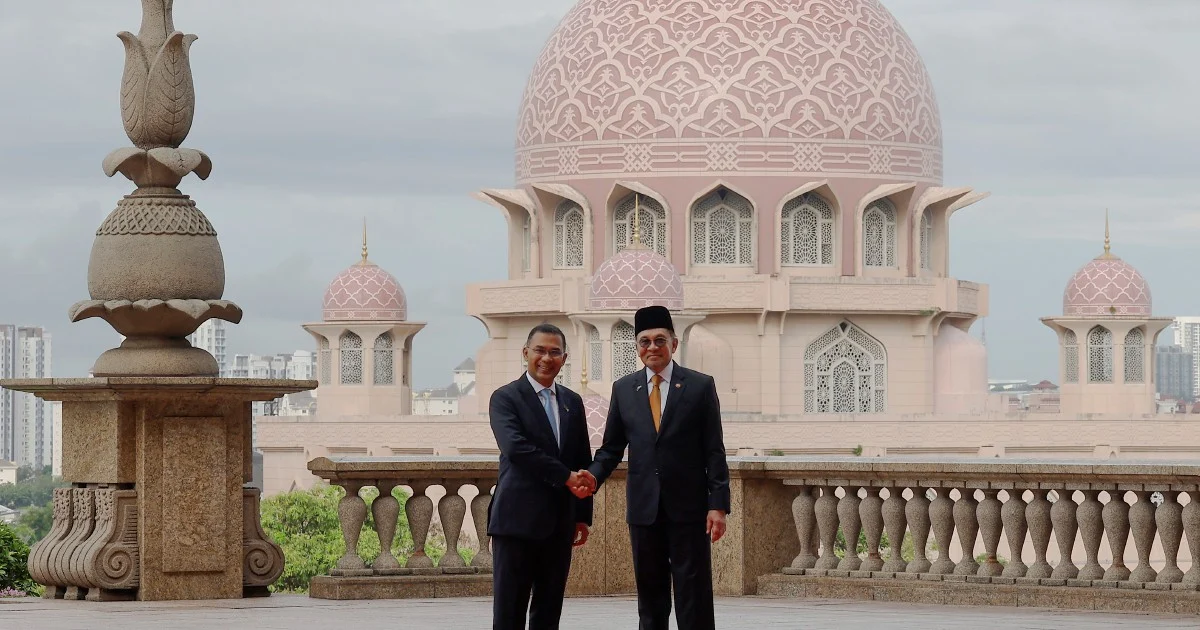
Bangladesh Prime Minister Tarique Rahman has arrived in Malaysia for an official two-day state visit, marking another engagement in the region's diplomatic calendar. At the Perdana Putra Complex in Putrajaya, Prime Minister Anwar Ibrahim accorded the visiting leader an official welcome, underscoring the ceremonial importance Malaysia places on bilateral relations with its South Asian neighbour.
The timing of Rahman's visit reflects the strengthening engagement between Malaysia and Bangladesh, two significant voices within the wider Asian political and economic sphere. Both nations have long-standing interests in regional stability and multilateral cooperation, particularly through forums like the Organisation of Islamic Conference and broader Asian groupings. This state visit presents an opportunity for high-level discussions on matters of mutual concern, from trade to security cooperation and cultural exchange.
Bangladesh, under Rahman's leadership, has positioned itself as a stabilizing force in South Asia while managing substantial economic challenges inherited from recent political turmoil. The country's role in regional affairs carries weight in Southeast Asian strategic calculations, particularly given its strategic location and demographic significance. For Malaysia, engagement with Bangladesh represents an extension of its diplomatic reach into South Asia and reinforces its commitment to maintaining active relationships across the Muslim-majority nations of the region.
The formal reception at Perdana Putra, the traditional seat of Malaysia's executive office, signals the elevated status accorded to this bilateral engagement. Such ceremonial protocols are carefully orchestrated to convey respect and commitment, setting the tone for substantive negotiations that typically follow high-level state visits. The choice of venue emphasizes that discussions between the two leaders will likely address strategic matters beyond routine diplomatic courtesy.
Malaysia's approach to South Asian engagement has evolved considerably in recent years, with successive governments recognizing the importance of deeper connectivity with neighbouring regions. Bangladesh represents a key node in this strategy, given its emerging economic potential and its significant diaspora communities in Malaysia. Trade relations between the two countries have demonstrated resilience, though both sides have consistently sought opportunities to expand commercial ties through new sectors and investment frameworks.
The security dimensions of Malaysia-Bangladesh relations deserve particular attention, as both nations confront transnational challenges including maritime security, counter-terrorism cooperation, and human trafficking. Bangladesh's role as a transit point for regional migration patterns creates shared interests in border management and law enforcement collaboration. Through state visits and bilateral mechanisms, the two governments continue developing frameworks to address these complex, interconnected challenges.
Cultural and people-to-people connections form another layer of this relationship. The significant Bangladeshi community in Malaysia contributes to the economic and social fabric of the country, while educational and cultural exchanges between the two nations foster greater mutual understanding. Such soft power dimensions increasingly feature in official state visit agendas, reflecting the importance placed on building stronger societal bonds alongside governmental cooperation.
The two-day duration of Rahman's visit allows for a comprehensive agenda spanning multiple government departments and sectors. Beyond meetings between the Prime Ministers, official delegations typically conduct parallel discussions on trade, investment, education, and other areas of bilateral interest. This format ensures that the visit generates tangible outcomes rather than remaining merely ceremonial, with potential memoranda of understanding or enhanced cooperation frameworks emerging from the engagement.
Regional geopolitical considerations also inform Malaysia's engagement with Bangladesh. As both nations navigate evolving relationships with major powers and balance their interests across different international forums, state visits serve as opportunities to coordinate positions on regional issues and reaffirm shared commitments to multilateralism and rule-based international order. The timing of such visits often reflects responsiveness to regional developments or efforts to deepen partnerships at crucial junctures.
Looking forward, Rahman's visit exemplifies Malaysia's broader strategy of maintaining robust diplomatic presence across Asia. Through consistent high-level engagement with regional partners, Malaysia positions itself as an engaged participant in regional affairs while advancing its specific national interests. The ceremonial welcome extended to the Bangladesh Prime Minister reflects this commitment, setting a constructive foundation for ongoing bilateral cooperation and regional dialogue.

