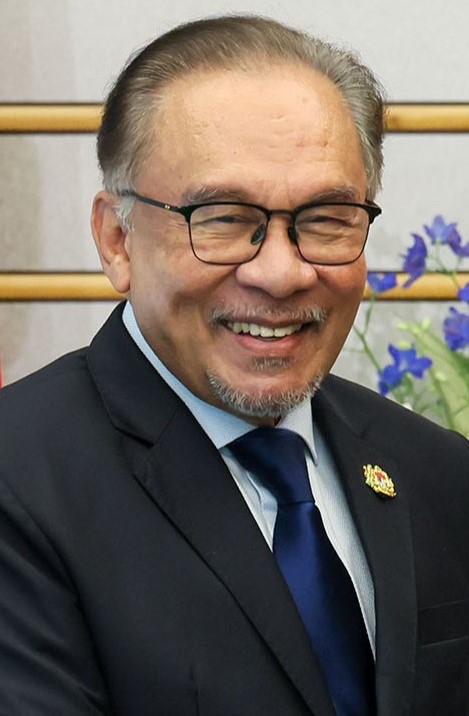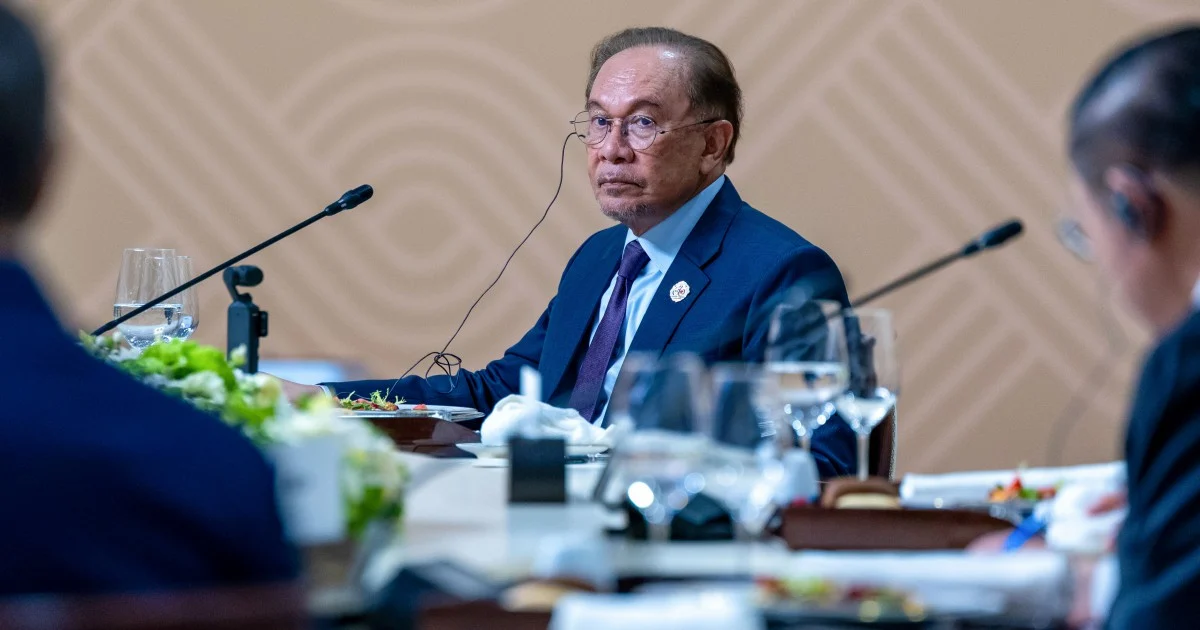
Prime Minister Datuk Seri Anwar Ibrahim delivered a pointed warning to European nations on Monday, signalling that developing countries will have no choice but to explore partnerships beyond the continent if they face continued discrimination. The statement underscores growing frustration among emerging economies over what they perceive as unequal treatment in international relations and trade, particularly when their strategic interests are at stake.
Anwar's remarks emerged against the backdrop of a specific defence-related disagreement involving Norway, though the Prime Minister deliberately broadened his commentary to encompass a wider pattern of concern. By framing the issue as symptomatic of broader European attitudes rather than an isolated incident, Anwar sought to highlight what he views as systemic inequities in how developed and developing nations negotiate with one another. The implicit message was unmistakable: Europe cannot assume the automatic allegiance or compliance of the Global South indefinitely.
The timing of Anwar's statement reflects Malaysia's assertive posturing on the international stage under his leadership. Rather than adopt a purely accommodative stance toward developed economies, the Prime Minister has consistently articulated a more independent foreign policy framework. This approach resonates with broader sentiment across Southeast Asia and the developing world, where nations increasingly resist what they characterise as double standards in international conduct. Malaysia, as a middle-income nation with growing strategic significance, has positioned itself as a voice for these concerns.
The reference to defence matters suggests the dispute extends beyond commercial disagreement into the realm of security cooperation and military-related engagements. Such areas are particularly sensitive for developing nations, where access to modern defence capabilities and strategic partnerships carries implications for regional balance and national sovereignty. When developed countries impose restrictions or demonstrate what developing nations interpret as bias in these domains, it creates friction that extends far beyond the immediate transaction.
Norway, despite its small population, punches above its weight internationally through its oil wealth and seat at various multilateral tables. Should disputes between Norway and Malaysia escalate or remain unresolved, they could establish a precedent affecting other developing nations' relationships with Scandinavian and broader European governments. The broader European Union's approach to trade and strategic partnerships with the Global South will inevitably be scrutinised through this lens.
Anwar's warning carries implicit leverage. Developing nations possess substantial collective economic and demographic weight, comprising the vast majority of global population and accounting for an increasingly significant share of world GDP. China, India, and Russia have each demonstrated capacity to offer alternative frameworks for partnership that do not require the ideological or procedural concessions developing nations sometimes perceive as European preconditions. The prospect of being sidelined in favour of these actors should concern European policymakers seeking to maintain influence in critical regions.
For Malaysia specifically, the capacity to forge partnerships across multiple poles—whether with Europe, Asia, or the Middle East—enhances its negotiating position. Anwar has cultivated a carefully balanced foreign policy aimed at avoiding overdependence on any single power or region. This multi-aligned approach allows Malaysia to extract better terms and maintain greater autonomy than nations locked into exclusive partnerships. The Prime Minister's warning essentially articulates this strategic reality in explicit terms.
Southeast Asia as a region has watched closely as developed economies reassess their relationships with developing nations amid geopolitical realignment. The region's significance—positioned between major powers, controlling vital shipping lanes, and increasingly integrated into global technology and supply chains—means that European engagement here matters strategically. However, this importance cuts both ways. Southeast Asian nations need not accept unfavourable terms, and Anwar's statement signals this understanding clearly.
The dispute with Norway also reflects underlying tensions about how developed economies approach environmental, governance, and standards-related conditionality in their dealings with the Global South. Developing nations often perceive such conditions as protectionist mechanisms disguised as principles, or as impositions that developed countries themselves did not face during their own industrialisation phases. Whether the Norway dispute involves such issues remains unclear, but the framing suggests concerns about equitable treatment rather than merely commercial advantage.
Anwar's intervention demonstrates how individual bilateral disputes can become inflection points for broader policy realignment. If European nations are perceived as collectively indifferent to developing world concerns, the cumulative effect could be significant shifting of partnerships and alignments. For Malaysia and its Southeast Asian neighbours, maintaining constructive engagement with Europe remains important, but not at the cost of accepting what they regard as unjust treatment.
The practical implications extend to trade negotiations, technology transfer agreements, defence procurement, and academic and cultural exchanges. Developing nations increasingly possess alternatives where previously Europe seemed irreplaceable. Whether the Norway matter involves defence technology, sanctions concerns, or environmental regulations, the underlying principle Anwar articulated will resonate across the developing world: partnerships must be built on mutual respect and equitable consideration, or they risk being supplanted by alternatives that offer better terms.