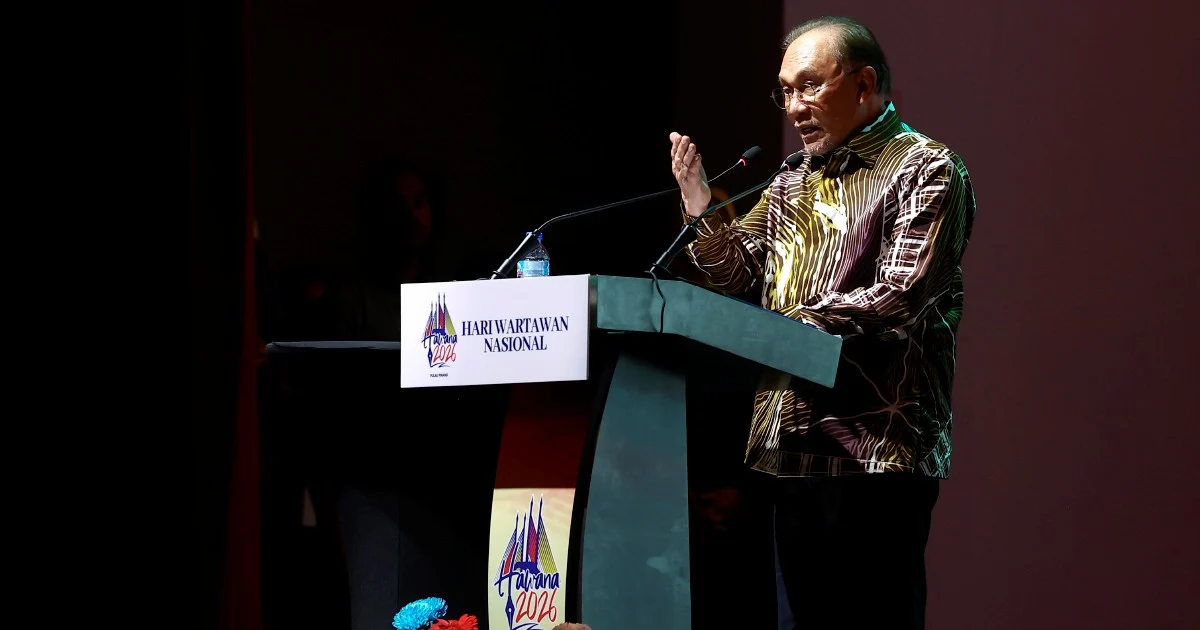
Pakatan Harapan's political machinery is preparing to shift into high gear as coalition chairman Datuk Seri Anwar Ibrahim prepares to formally present the bloc's candidate roster for the Johor state election at a campaign rally in Bukit Gambir. The announcement represents a critical moment in the run-up to polling day, as the coalition finalises its electoral strategy in one of Malaysia's most strategically important states.
The decision to hold the candidate unveiling in Bukit Gambir carries symbolic weight for the PH alliance. The Johor assembly district has long served as a political barometer for the southern state, and choosing this venue signals the coalition's determination to contest vigorously across both urban and traditional constituencies. By making the announcement in this particular location, PH leadership appears intent on demonstrating renewed momentum and grassroots engagement as the campaign accelerates toward voting day.
Candidate selection for major state elections typically involves weeks of internal negotiation among PH's constituent parties—the Democratic Action Party, the Peoples Justice Party, Amanah, and other affiliated groups. These discussions balance competing demands for slots, factional interests within each party, and strategic considerations about which candidates stand the strongest chance of winning in their respective constituencies. The fact that a formal, public announcement is now imminent suggests these negotiations have reached their conclusion.
For Johor voters, the candidate slate will provide concrete information about who will represent their interests in the state assembly. The composition of PH's candidate list—in terms of which communities are represented, the balance between incumbent and newcomer candidates, and the distribution of nominations across the state's various regions—will offer insight into the coalition's vision for Johor's governance and priorities over the next term. Voters often scrutinise not just individual candidates but also what the overall list reveals about a political coalition's values and strategic direction.
The timing of the announcement carries implications for campaigning momentum. Releasing candidates while public and media attention remains high allows the nominated individuals to begin their own grassroots work, fundraise, and build name recognition in their constituencies. Early disclosure also permits the coalition to maintain narrative control over the campaign's opening phase, rather than allowing opposition parties to set the agenda or claim victory in the pre-election narrative.
Johor remains a pivotal prize in Malaysian electoral politics. The southern state's political complexion has shifted dramatically in recent years, and control of the state government carries weight beyond Johor itself—it influences national political calculations and the balance of power within federal structures. Any state election result here sends reverberations through Kuala Lumpur's political circles and affects how federal power-sharing arrangements are negotiated. This context explains why the formal presentation of candidates receives attention equivalent to campaign rallies and policy announcements.
Anwar Ibrahim's personal involvement in the candidate announcement underscores PH's determination to project unified leadership. As coalition chairman and prime minister, his presence at the Bukit Gambir event signals that this election matters to the highest levels of government. It also provides an opportunity for him to articulate the coalition's collective vision for Johor, to encourage voters to see beyond individual candidates and understand the broader choice between PH governance and alternative administrations.
The slate's composition will also reveal inter-party dynamics within Pakatan Harapan. How many seats each constituent party receives, whether any significant figures were denied nomination, and how the coalition distributed opportunities across its membership base all communicate messages about the internal health and cohesion of the alliance. These details matter greatly to party activists and are often analysed extensively by political observers and commentators.
From a Southeast Asian perspective, Johor elections demonstrate how Malaysian democracy operates at the state level. The comprehensive candidate system, the transparency of formal announcements, and the public engagement leading to elections reflect democratic norms and competitive political culture that distinguish Malaysia's system. Observers from other regional democracies often study Malaysian electoral mechanics and campaign practices as examples of institutionalised democratic competition.
For Johor constituents awaiting details about PH's electoral offerings, the Bukit Gambir announcement will transform abstract coalition plans into concrete names, faces, and platforms. Voters will then have the substance they need to make informed electoral judgments. The quality of PH's candidate selection—in terms of calibre, local roots, constituent service experience, and personal integrity—will significantly influence whether the coalition can expand or maintain its support among Johor's diverse electorate.
The build-up to the formal announcement reflects the heightened stakes now surrounding state elections within Malaysia's competitive two-party system. Where elections once occurred with minimal fanfare, they now involve sophisticated campaign organisation, media management, and strategic messaging. The Bukit Gambir rally exemplifies this professionalisation of electoral competition in contemporary Malaysian politics, where candidate selection itself becomes a stage for coalition leadership to project unity and purpose to voters preparing to cast their ballots.

