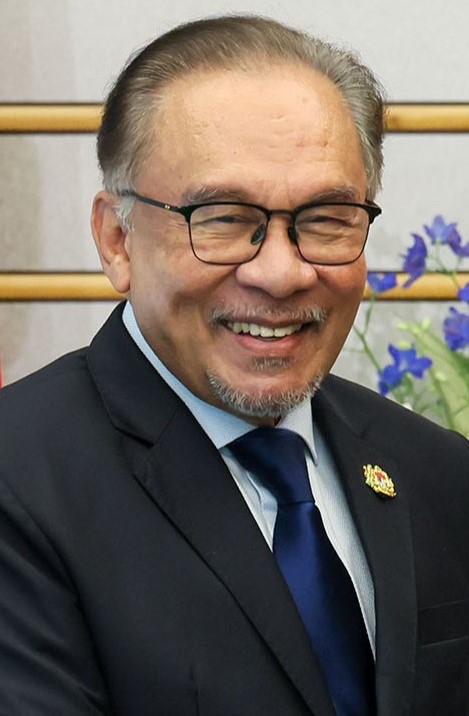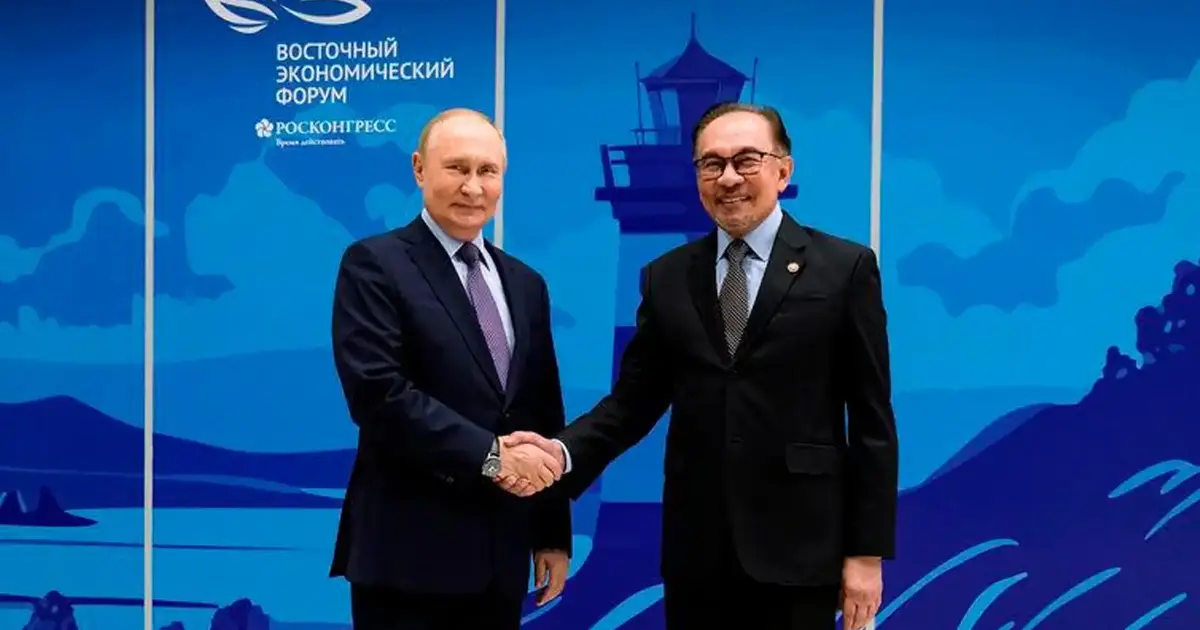
Prime Minister Anwar Ibrahim is set to depart for Russia tomorrow to engage in high-level discussions centred on Malaysia's energy security and fuel sourcing, marking a significant diplomatic push to diversify the nation's supply chains at a time of global energy volatility. The working visit represents an opportunity for Malaysia to strengthen bilateral ties with Moscow while addressing pressing domestic concerns about long-term fuel availability and pricing stability in the region.
The prime minister's itinerary includes participation in a broader Asean-Russia summit, where leaders from Southeast Asia will convene with Russian counterparts to explore areas of mutual interest and cooperation. This multilateral dimension of the visit underscores Malaysia's role within Asean's collective engagement strategy with major powers, reflecting the bloc's broader pivot towards maintaining balanced relationships across the geopolitical landscape.
Energy security has emerged as a critical priority for Malaysia, a nation that historically relied on domestic petroleum reserves but faces mounting pressure from rising global demand and fluctuating commodity markets. The direct engagement between Anwar and Putin on fuel supply mechanisms signals Kuala Lumpur's willingness to cultivate alternative energy partnerships beyond traditional Western markets, a positioning that aligns with Malaysia's foreign policy approach of maintaining pragmatic relationships with diverse global actors.
Russia's significant hydrocarbon reserves and established position as a major energy exporter make it a compelling dialogue partner for Southeast Asian nations seeking to secure reliable fuel sources. For Malaysia specifically, discussions around potential supply arrangements or joint ventures in the energy sector could yield tangible benefits in terms of supply diversification and reduced exposure to price volatility driven by geopolitical tensions in other regions.
The timing of this diplomatic initiative carries additional weight given ongoing global energy market disruptions and the broader geopolitical realignment occurring across Asia-Pacific. Malaysia's proactive engagement with Russia demonstrates a calculated approach to foreign policy that prioritises national economic interests while remaining cognisant of international diplomatic sensitivities and regional alliance structures.
Asean's participation in these discussions reflects the organisation's evolving role as a platform for dialogue between its member states and major world powers. The bloc's emphasis on dialogue and peaceful resolution of disputes extends into the energy sector, where collective Southeast Asian engagement can amplify negotiating power and facilitate knowledge-sharing on resource management and sustainability.
For Malaysian consumers and businesses, successful outcomes from these negotiations could translate into more stable energy costs and improved supply chain resilience. The downstream effects of energy security improvements extend across multiple sectors of the economy, from transportation and manufacturing to power generation and petrochemicals, making fuel sourcing a matter of broad economic significance.
The diplomatic engagement also reflects Malaysia's historical pragmatism in international relations, a characteristic that has enabled the nation to maintain productive relationships with diverse partners including the United States, China, Russia, and European powers. This balanced approach to great power relations has generally served Malaysia well, allowing the country to pursue its economic and strategic interests without becoming overly dependent on any single partner.
Regional context matters considerably here, as Southeast Asia watches Beijing and Moscow calibrate their influence across the continent. Malaysia's positioning as a moderate voice within Asean and its demonstrated ability to engage constructively with all major powers makes it a natural facilitator for dialogue that benefits both the region and its individual member states.
The scope of discussions between Malaysian and Russian officials may extend beyond immediate fuel supply concerns to encompass broader areas of economic cooperation, technical expertise exchange, and institutional partnerships. Such comprehensive engagement creates multiple pathways for sustained bilateral relationship development that transcends singular transactional frameworks.
For Anwar, this visit represents an opportunity to showcase Malaysia's leadership within Asean while simultaneously advancing concrete policy objectives related to energy security. The convergence of multilateral and bilateral dimensions in the trip's design reflects sophisticated diplomatic planning aimed at maximising outcomes across multiple engagement levels.
International observers will likely view this Russian engagement within the context of Malaysia's broader foreign policy orientation and its relationship with Western partners. The ability to maintain productive dialogue with Russia while sustaining strong connections with Europe and North America demonstrates the delicate balancing act that middle powers must perform in an increasingly multipolar world.
As Malaysia continues navigating complex global energy markets and geopolitical shifts, bilateral engagement with major resource-exporting nations like Russia provides important leverage points for securing national interests. The forthcoming discussions promise to yield insights into Moscow's willingness to deepen energy partnerships with Southeast Asian economies and Malaysia's capacity to shape regional energy policy through strategic diplomatic initiatives.