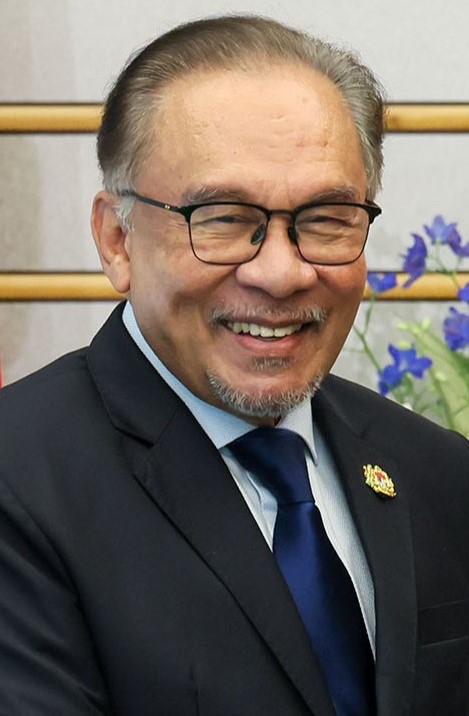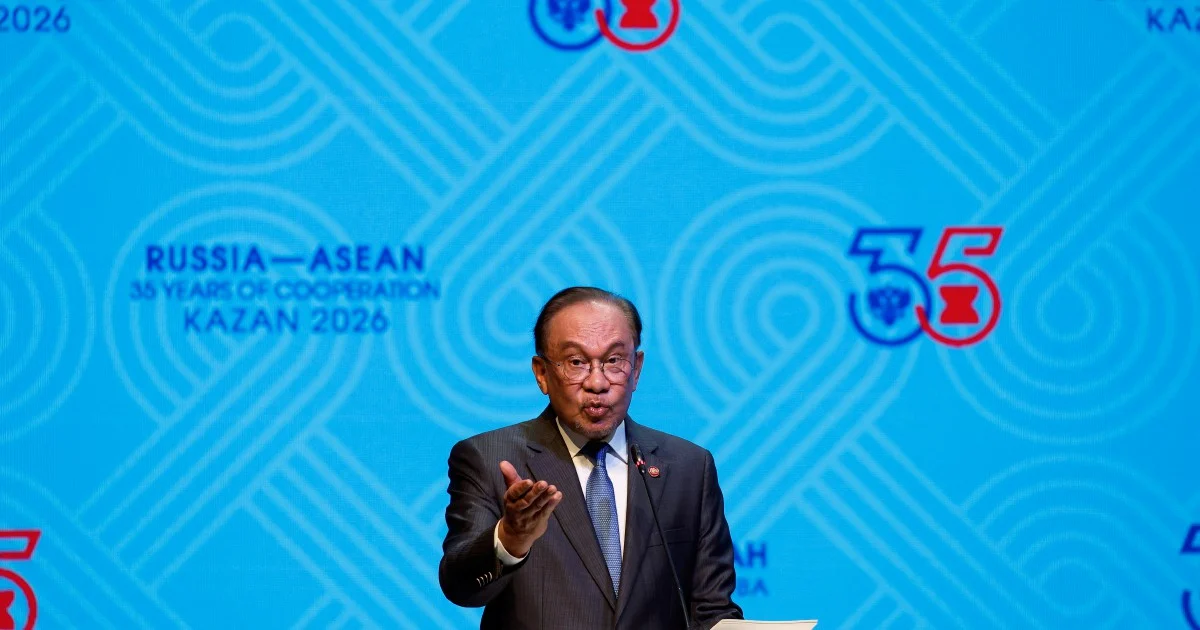
Prime Minister Datuk Seri Anwar Ibrahim has hailed the completion of the Asean-Russia Strategic Programme on Trade and Investment Cooperation 2026-2035 as a significant milestone that provides fresh momentum for regional economic engagement. Speaking in Kazan, Anwar characterised the finalised framework as a vital catalyst for strengthening commercial and financial relationships between Southeast Asia and Russia, positioning it as a foundational step toward broader economic integration.
The adoption of the strategic programme represents the culmination of negotiations between the ten-member Association of Southeast Asian Nations and the Russian Federation. The roadmap sets out detailed cooperation targets across multiple sectors including trade, investment, technology transfer, and industrial collaboration over the coming decade. For Malaysia, which holds considerable commercial interests across Asia-Pacific markets and maintains significant trade partnerships with both regional peers and global powers, the framework carries implications for how Kuala Lumpur navigates geopolitical and economic shifts in its immediate neighbourhood.
Yet Anwar was notably cautious in his assessment, stressing that a formalised agreement, however comprehensive, represents only the starting point rather than a guarantee of success. The Prime Minister emphasised that translating ambitious targets and cooperative objectives into tangible economic gains requires establishing what he termed an "enabling environment." This phrase carries weight in diplomatic circles, signalling the need for political stability, regulatory clarity, and conducive conditions across both regions to facilitate the kind of business activity the programme envisions.
The emphasis on prerequisites for success reflects practical experience in bilateral and multilateral trade arrangements. Regional analysts note that numerous trade and investment frameworks have been adopted with considerable fanfare, only to underdeliver due to inadequate infrastructure, inconsistent policy implementation, bureaucratic obstacles, or geopolitical tensions that undermine commercial confidence. Anwar's comments suggest Malaysia's leadership recognises these pitfalls and views them as genuine risks rather than theoretical concerns.
For Southeast Asian nations, the Asean-Russia programme arrives during a period of strategic recalibration. Russia, facing international sanctions following its invasion of Ukraine, has pivoted toward deepening ties with Asian partners, particularly those maintaining non-aligned stances or pursuing independent foreign policies. The programme offers Asean members potential economic diversification, access to Russian energy resources, minerals, and agricultural products, while providing Moscow with vital markets and investment opportunities during a period of Western-led isolation.
Malaysia's position within this framework warrants consideration. As a major economy within Asean and a significant trader in its own right, Malaysian businesses stand to benefit from expanded market access across Russia and potentially through Russian connections to Central Asian markets. However, Malaysian policymakers must balance these opportunities against the complex geopolitical landscape, including ongoing concerns about sanctions enforcement and reputational considerations in dealings with sanctioned economies.
The 2026-2035 timeframe suggests the architects of this programme recognise that meaningful economic transformation requires patience and sustained commitment. The decade-long horizon allows for phased implementation, institutional development, and adjustment based on results achieved in early years. This extended timeline also provides flexibility to accommodate changing circumstances, whether political shifts within participating nations, evolution in global trading conditions, or technological breakthroughs that reshape commercial opportunities.
Anwar's framing of the programme as necessitating an enabling environment also carries implicit critique. His comments suggest that while the strategic blueprint has been finalised, considerable work remains at the operational level. Customs procedures must be simplified, investment regulations clarified, dispute resolution mechanisms strengthened, and regular dialogue established between business communities. Without such foundations, even well-intentioned agreements risk becoming paper documents gathering dust.
For Southeast Asian businesses, particularly Malaysian enterprises seeking to diversify supply chains or access new markets, the programme opens theoretical doors. Whether these doors swing wide depends substantially on implementation by governments and private sector actors. Malaysian chambers of commerce and industry associations will likely monitor progress closely, seeking clarity on specific opportunities and potential mechanisms for facilitating business participation.
The geopolitical context cannot be overlooked. Asean's balance between major powers—managing relationships with the United States, China, India, and Russia—requires dexterity. Trade frameworks with Russia signal Asean's commitment to inclusive regional architecture and non-alignment, reinforcing the bloc's positioning as an independent actor rather than a follower of great power dictates. This posture carries both benefits and risks, requiring careful navigation by individual member states including Malaysia.
Looking ahead, the success of the Asean-Russia Strategic Programme will be measured not by rhetoric or ink on documents, but by concrete outcomes: increased bilateral trade volumes, realised investment projects, technology partnerships, and mutual prosperity. Anwar's cautious optimism reflects seasoned political judgment—welcoming progress while maintaining realistic expectations about the considerable challenges ahead.
The programme's 2026 commencement date provides runway for preparation. Asean and Russian governments must establish implementation mechanisms, assign responsible agencies, and create accountability frameworks. Malaysian policymakers should engage actively in this preparatory phase, ensuring that their nation's interests—in energy security, market access, technology cooperation, and regional stability—are adequately protected within the evolving framework.