%22%2F%3E%3C%2Fpattern%3E%3C%2Fdefs%3E%3Crect%20width%3D%22100%25%22%20height%3D%22100%25%22%20fill%3D%22url(%23ph2xua7g)%22%2F%3E%3Crect%20width%3D%22100%25%22%20height%3D%22100%25%22%20fill%3D%22url(%23ph2xua7p)%22%2F%3E%3Ctext%20x%3D%2250%25%22%20y%3D%2250%25%22%20text-anchor%3D%22middle%22%20dominant-baseline%3D%22central%22%20fill%3D%22rgba(255%2C255%2C255%2C0.95)%22%20font-family%3D%22Georgia%2C%20'Times%20New%20Roman'%2C%20serif%22%20font-weight%3D%22700%22%20font-size%3D%22272%22%20letter-spacing%3D%22-0.02em%22%3EAnwar%3C%2Ftext%3E%3C%2Fsvg%3E)
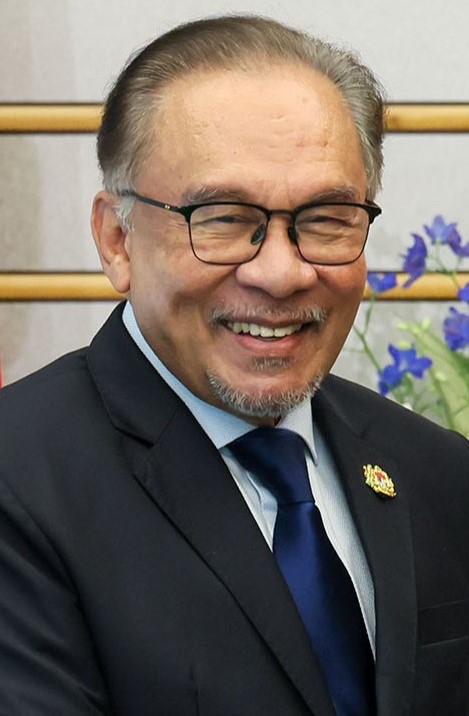
Prime Minister Datuk Seri Anwar Ibrahim has acknowledged the significant contributions of TV AlHijrah to Malaysia's broadcast landscape, offering his endorsement as the channel commemorates 16 years of operations. The occasion underscores the government's recognition of the need for media platforms that prioritise moral and religious content in an increasingly competitive entertainment sector.
TV AlHijrah, which launched in 2008, has established itself as the country's dedicated Islamic broadcasting service, operating under the purview of media regulators and industry standards that govern commercial and public interest programming. Anwar's remarks during the anniversary observance emphasise the government's broader vision for media that extends beyond entertainment to encompass educational and spiritual dimensions, particularly as Malaysian households navigate an evolving digital landscape where content choices are more diverse and fragmented than ever before.
The Prime Minister's statement reflects a policy position that aligns with Malaysia's constitutional and religious framework, where Islam holds a special constitutional position and broadcast standards explicitly accommodate faith-based content. This positioning has become increasingly important as traditional television audiences diversify across streaming platforms and social media, raising questions about how dedicated religious channels maintain relevance and viewership in the digital age. TV AlHijrah's 16-year tenure represents a sustained effort to fill a niche that general entertainment channels cannot adequately address.
For Malaysian broadcasters and content creators, Anwar's recognition signals government support for continued investment in Islamic programming, a sector that has occasionally faced challenges in balancing commercial viability with religious and educational mandates. The channel operates within a regulatory environment that requires careful navigation between market demands and content responsibility, particularly given Malaysia's multicultural society where broadcasting decisions carry communal significance.
TV AlHijrah's anniversary milestone occurs against the backdrop of broader regional trends in Islamic media. Across Southeast Asia, faith-based broadcasting has expanded as populations seek culturally resonant entertainment and educational content. However, the commercial viability of dedicated religious channels remains a persistent concern, with many such outlets dependent on subsidies or non-commercial funding models rather than advertising revenue alone. The Malaysian channel's longevity suggests a sustainable audience exists for its programming mix, which typically includes Quranic recitations, religious lectures, family-oriented dramas, and documentary content.
The timing of the Prime Minister's remarks carries additional significance given contemporary debates about media standards and content regulation in Malaysia. As international streaming services introduce diverse programming options to Malaysian audiences, government acknowledgment of local Islamic broadcasting reinforces the role of domestic media in preserving cultural and religious values. This approach reflects a conscious policy to maintain national control over narratives and content that shape public discourse, particularly on matters of faith and morality.
TV AlHijrah's programming strategy has evolved to include contemporary formats that appeal to younger viewers, moving beyond purely traditional religious content to encompass reality shows, family entertainment, and drama series with Islamic values embedded in storytelling. This evolution demonstrates the channel's recognition that sustainability requires engaging modern audiences while maintaining core religious principles. The success of this balancing act has likely contributed to the channel's survival in Malaysia's competitive television market, where viewership and advertising revenue determine long-term viability.
For content producers and advertisers in Malaysia, the government's endorsement of TV AlHijrah represents validation of the Islamic media sector as a legitimate and respected industry segment. This recognition may encourage further investment in developing high-quality Islamic programming that can compete with international offerings while serving local audiences. The financial implications extend beyond the channel itself to production companies, independent filmmakers, and creative professionals who develop content specifically designed for faith-based platforms.
Regional perspectives on Islamic broadcasting have become increasingly sophisticated, with channels across the Middle East and Asia developing content strategies that appeal to diaspora communities and international audiences. TV AlHijrah, while primarily serving Malaysian Malay-Muslim audiences, operates within this broader context of transnational Islamic media consumption. The channel's regional broadcast footprint, where available through satellite and streaming partnerships, positions it as a voice in Malaysia's cultural export industry, even if religious content rarely gains commercial prominence in international markets.
Looking forward, the sustainability challenges facing dedicated religious broadcasting will likely intensify as streaming platforms continue fragmenting traditional television audiences. However, the Prime Minister's acknowledgment suggests that government support and regulatory protection may help TV AlHijrah navigate these pressures. The 16-year milestone represents not merely past achievement but a foundation for continued operations, provided the channel can adapt to changing viewer preferences while maintaining the values-driven mission that distinguishes it in Malaysia's media ecosystem.
Anwar's comments also implicitly address concerns about media regulation and content standards during a period when digital platforms operate with fewer restrictions than traditional broadcasters. By publicly supporting a channel dedicated to religious and moral broadcasting, the Prime Minister reinforces expectations that Malaysian media should reflect the nation's Islamic identity and values. This positioning may influence regulatory decisions affecting other broadcasters and content platforms operating within Malaysian jurisdiction, subtly establishing parameters for what constitutes responsible Malaysian media in the contemporary environment.