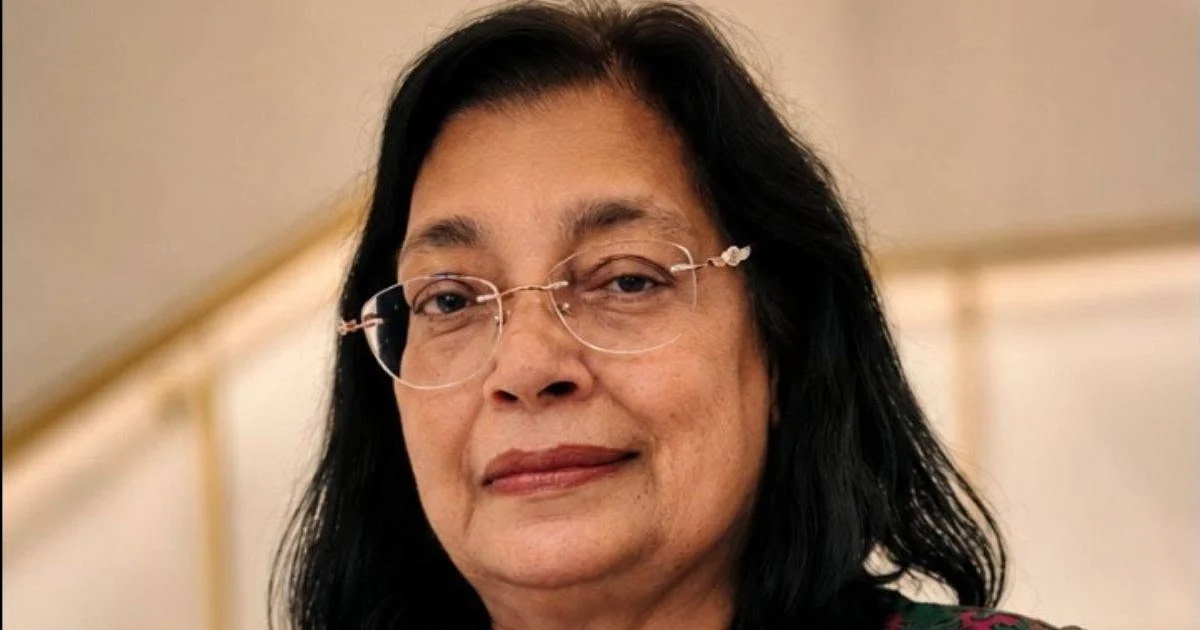
Prime Minister Datuk Seri Anwar Ibrahim has extended his congratulations to Datuk Yasmeen Muhamad Shariff following her successful election as a member of the United Nations Committee on the Rights of the Child, a prestigious international body tasked with monitoring child welfare and protection globally. The appointment, which will run from 2027 to 2031, represents a significant recognition of Malaysia's commitment to advancing the rights and welfare of children at the international level.
Yasmeen's selection to the UN CRC committee underscores Malaysia's growing diplomatic influence within the United Nations system and reflects the country's reputation as a serious participant in global child protection initiatives. The Committee on the Rights of the Child serves as the monitoring body for the Convention on the Rights of the Child, one of the most widely ratified human rights treaties in the world. Members work to review state compliance with the convention's provisions and provide recommendations to signatory nations on strengthening their child protection policies and practices.
For Malaysia, this appointment carries particular significance given the nation's ongoing efforts to strengthen domestic frameworks protecting vulnerable young people. The selection of a Malaysian representative to this influential committee creates a platform for advocating regional perspectives on child welfare issues, particularly those affecting Southeast Asian children. It also positions Malaysia as a thought leader on child rights implementation within the Asia-Pacific region, where variations in economic development and governance structures create distinct challenges for child protection efforts.
The Committee on the Rights of the Child comprises independent experts from different countries, each bringing specialised knowledge and experience in child rights advocacy, legal reform, and social welfare. Members are elected through secret ballot voting in the United Nations, making Yasmeen's selection a validation of her expertise and standing within international child rights circles. Her appointment suggests recognition of Malaysia's institutional capacity and demonstrated commitment to advancing child welfare policies in line with international standards.
Yasmeen's role will involve scrutinising periodic reports submitted by countries regarding their implementation of the Convention on the Rights of the Child. She will participate in dialogue sessions with state delegations, contribute to the drafting of concluding observations and recommendations, and help shape international jurisprudence on children's rights issues. This work extends beyond theoretical discussion—the committee's recommendations often influence policy changes across member states and contribute to strengthening domestic legislation protecting children.
The timing of this appointment reflects broader regional momentum in child rights advocacy. Southeast Asia has witnessed increasing mobilisation around issues including child labour, exploitation, access to education, and protection from abuse. Malaysia's presence on the committee enables direct participation in discussions affecting millions of children across the region, allowing Malaysian voices to contribute to global standards and best practices in child protection.
For Malaysian observers, the appointment represents validation of local expertise in child welfare and rights issues. It also signals that Malaysia's diplomatic service and civil society actors working in this field have earned credibility and respect within the international human rights community. The four-year term affords substantial opportunity to advance child-centred policy initiatives and ensure that concerns specific to developing countries and the Global South are adequately represented in committee deliberations.
Prime Minister Anwar's public acknowledgment of this achievement serves multiple purposes within Malaysia's domestic and international positioning. Domestically, it reinforces the government's stated priorities around human rights, good governance, and social protection. Internationally, it demonstrates Malaysia's commitment to multilateral cooperation and child-centred development goals, particularly as the country seeks to enhance its profile as a responsible middle-power nation engaged constructively with global governance frameworks.
The appointment also comes at a time when child welfare issues command growing attention globally, with pandemics, climate change, and geopolitical instability creating new vulnerabilities for young people. The Committee on the Rights of the Child has increasingly focused on emerging threats to child safety and wellbeing, including digital exploitation, environmental justice concerns, and the impacts of armed conflict on children. Yasmeen's participation in addressing these evolving challenges positions Malaysia within ongoing conversations about protecting children in an increasingly complex global landscape.
For Malaysian civil society organisations working on child protection issues, Yasmeen's placement represents potential for enhanced international visibility and advocacy opportunities. These groups often engage with UN mechanisms to advance policy change, and having a Malaysian expert within the CRC committee structure could facilitate smoother collaboration and knowledge-sharing between domestic stakeholders and international bodies.
The 2027-2031 term will encompass a critical period for global child rights monitoring, as countries continue integrating the Sustainable Development Goals—which include multiple child-focused targets—into national planning processes. Yasmeen's committee work will involve assessing whether countries are adequately prioritising child health, education, protection from violence, and poverty reduction as outlined in these international commitments.
Beyond the symbolic significance, this appointment demonstrates that Malaysia's engagement with international human rights mechanisms has yielded tangible outcomes. It reflects years of institutional development, expert cultivation, and strategic positioning within UN processes. As Malaysian democracy continues evolving and the nation navigates complex regional relationships, such appointments reinforce the country's place within multilateral institutions and its capability to contribute meaningfully to global governance conversations affecting vulnerable populations.

