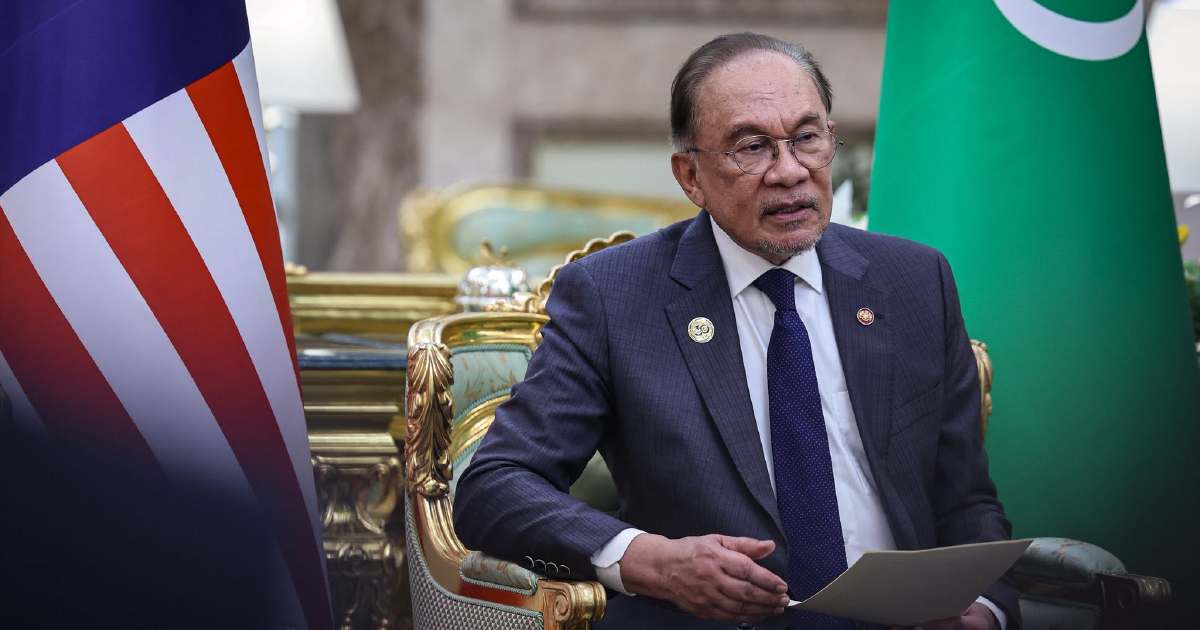
Prime Minister Anwar Ibrahim has expressed strong approval of Petronas's latest achievement in securing a developmental agreement concerning a major gas field located in Turkmenistan. The milestone represents a significant expansion of the Malaysian state-owned energy company's operational footprint beyond Southeast Asia and reflects the broader strategic initiative to strengthen Malaysia's position within global energy markets.
The agreement with Turkmenistan underscores Petronas's growing capability to compete and establish partnerships at the international level, particularly in Central Asian energy sectors where competition among global operators remains intense. For Malaysia, the development carries implications that extend well beyond commercial interests, touching on geopolitical positioning and energy security considerations that policymakers in Kuala Lumpur have prioritised in recent years.
Turkmenistan possesses some of the world's largest proven natural gas reserves, making it an attractive destination for major energy companies seeking long-term production opportunities. The former Soviet republic has traditionally maintained close relationships with Asian partners, and this Petronas agreement reflects a deliberate effort by Malaysia to deepen economic ties within Central Asia. The deal also positions Malaysia within a network of nations competing for access to Turkmenistan's hydrocarbon wealth, where Chinese, Russian, and Middle Eastern operators already maintain substantial interests.
For Petronas specifically, the breakthrough comes at a time when the company has been actively pursuing international expansion to offset declining production from mature Southeast Asian fields. The Malaysian operator has invested considerably in developing technical expertise and project management capabilities that allow it to operate effectively in complex geological environments and navigate regulatory frameworks across multiple jurisdictions. Success in Turkmenistan validates these investments and opens pathways for additional opportunities across Central Asia's energy-rich territories.
The timing of this agreement also reflects Malaysia's evolving energy strategy under the Anwar Ibrahim administration, which has sought to balance traditional fossil fuel interests with broader economic diversification objectives. While Malaysia transitions gradually toward renewable energy sources, maintaining robust hydrocarbon production capacity remains economically important, particularly given the country's reliance on oil and gas revenues for government budgets and export earnings. Strategic international partnerships like the Turkmenistan deal help sustain Malaysia's relevance in global energy markets during this transitional period.
From a regional perspective, the Petronas achievement demonstrates that Southeast Asian energy companies can compete successfully with larger multinational operators on the world stage. Malaysia has positioned itself as a knowledge leader in offshore operations and project delivery, and international success validates the technical standards and organisational capabilities developed through decades of North Sea and regional operations. Other ASEAN nations monitor such developments closely as they evaluate their own energy company strategies and international expansion ambitions.
The Turkmenistan gas field development will likely involve significant capital investment over multiple phases, creating business opportunities for Malaysian engineering, construction, and supply chain companies. These ancillary benefits extend the agreement's economic impact beyond Petronas itself, generating employment and expertise development across Malaysia's industrial base. The energy sector remains one of the country's most strategically important industries, and international projects reinforce the sector's technological advancement and professional standards.
Geopolitically, strengthened Malaysia-Turkmenistan relations through energy cooperation contribute to Malaysia's broader Central Asian engagement strategy. The country has emphasised deepening ties with this region through trade, education, and cultural exchanges, viewing Central Asia as an emerging market offering long-term economic opportunities. Energy partnerships provide concrete vehicles for sustaining government-to-government relationships and creating business networks that benefit Malaysian enterprises across multiple sectors.
The agreement also carries implications for energy security discussions within ASEAN and the broader Indo-Pacific region. As regional nations seek to diversify energy sources and reduce dependency on Middle Eastern supplies, opportunities in Central Asian gas production offer valuable alternatives. Malaysia's successful negotiation strengthens collective ASEAN capacity to engage with energy-producing nations beyond the traditional oil-exporting bloc, potentially encouraging similar partnerships among other Southeast Asian companies.
Looking forward, the Turkmenistan breakthrough may signal the beginning of expanded Petronas engagement across Central Asia and the Caspian region. International energy markets remain volatile and heavily influenced by geopolitical considerations, but Malaysian companies with demonstrated technical capabilities and international experience stand positioned to capture emerging opportunities. The Anwar Ibrahim government appears committed to supporting such expansion as part of its wider economic growth agenda, providing institutional backing for Malaysian businesses pursuing international opportunities.
The success of this negotiation reinforces Petronas's standing among global energy operators and enhances Malaysia's reputation as a reliable partner in energy sector development. As the international energy landscape continues evolving in response to climate considerations and geopolitical realignments, Malaysian operators who maintain technical excellence while building diverse geographic portfolios position themselves favourably for long-term sustainability. The Turkmenistan agreement represents progress toward those objectives and validates the strategic direction being pursued by Malaysia's energy leadership.

