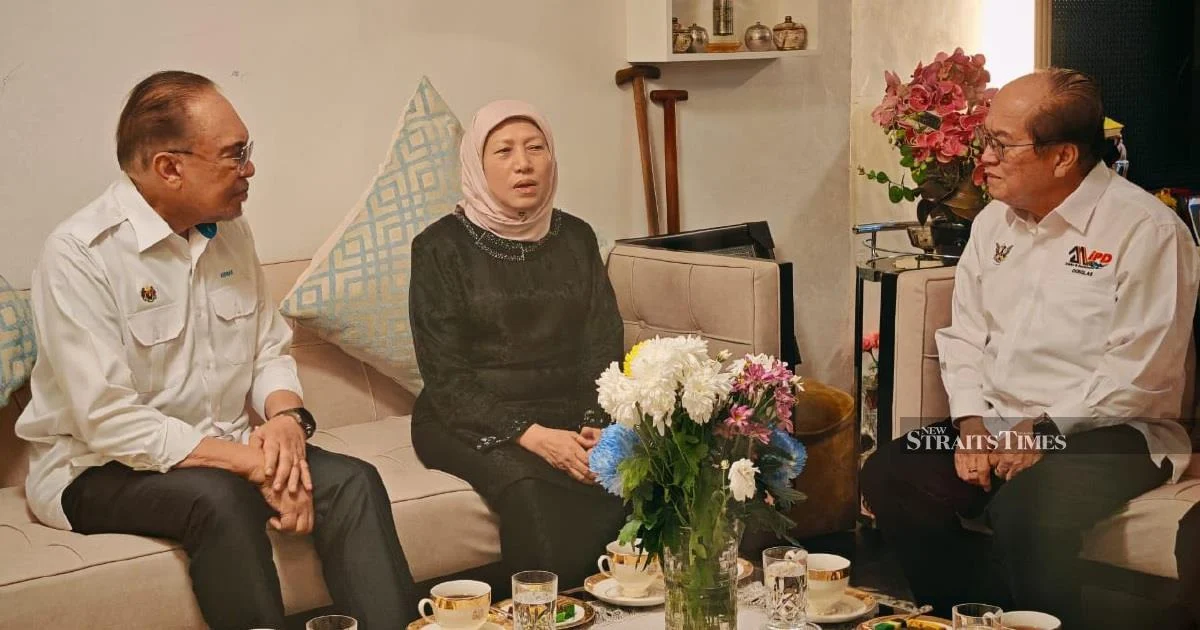
Prime Minister Datuk Seri Anwar Ibrahim traveled to Kuching to express his personal condolences to Women, Family and Community Development Minister Datuk Seri Nancy Shukri following the death of her husband, Datuk Kamil Misuari. The visit underscored the strong bonds of collegiality within Malaysia's cabinet, with the nation's top leader taking time to offer support to a senior minister during a period of personal grief.
The gesture reflects established protocol within Malaysia's political hierarchy, where high-ranking officials typically pay formal visits to grieving colleagues and their families. Such condolence calls serve multiple purposes within the political establishment—they acknowledge the human dimension beyond parliamentary duties and reinforce the sense of institutional unity that transcends political differences. For Shukri, who carries significant responsibility as the minister overseeing women's affairs, family policy, and community welfare programs, the visit from the premier signals organisational stability during her absence.
Nancy Shukri has held her ministerial portfolio through several political transitions in Malaysia, establishing herself as a consistent figure in the country's governance structure. Her portfolio touches on deeply personal aspects of Malaysian life, from family law to community development initiatives and women's empowerment programmes. The Women, Family and Community Development Ministry plays a crucial role in addressing social issues that affect millions of Malaysian households, making the minister's continued engagement with her duties particularly important during periods of national focus.
The Sarawak state connection carries additional significance, as Kuching remains a vital political constituency within Malaysia's federal framework. Anwar's decision to conduct the visit personally rather than delegating to a junior official demonstrates the importance of maintaining strong relationships within the coalition government's broader political base. Sarawak, with its substantial parliamentary representation and historical role in Malaysian politics, requires consistent engagement from federal leadership.
Beyond the immediate personal dimensions, the visit illustrates how Malaysia's political system manages continuity during moments of transition. Ministers facing personal hardship remain functionally important to the government's operations, and maintaining visible support helps ensure public confidence in institutional stability. The cabinet and parliament depend on the reliability of their membership, and public acknowledgment of life's challenges humanises the political process for ordinary Malaysians watching their leaders navigate both professional responsibilities and personal trials.
Anwar's approach to government has emphasised inclusivity and coalition-building across Malaysia's diverse political landscape. By extending personal courtesies to ministers across different political backgrounds and regional bases, he reinforces the message that the government functions as a unified entity despite underlying factional differences. Such gestures, while seemingly ceremonial, carry weight in a political system as complex and regionally varied as Malaysia's.
The timing of condolence visits within Malaysian political culture also matters significantly. Visits made promptly, as Anwar's appears to have been, demonstrate genuine concern rather than perfunctory political obligation. Cabinet members often rely on their colleagues' demonstrated commitment during vulnerable periods, and these moments can subtly influence political relationships and alliance-building for future policy initiatives.
For the ministry itself, Shukri's colleagues and staff members would be reassured by the prime ministerial visit, knowing that their minister's work remains valued at the highest levels of government. The Women, Family and Community Development Ministry oversees programmes affecting vulnerable populations, including women's shelters, family counselling services, and community outreach initiatives. Maintaining momentum in these areas despite leadership absence requires strong institutional support.
The visit also reflects Malaysia's multicultural and multi-religious society, where such condolences transcend religious or ethnic boundaries. Malaysia's political leaders, regardless of their background, participate in these rituals of respect and solidarity, acknowledging that grief is a universal human experience that unites rather than divides. Such practices reinforce social cohesion at the elite level, with implications that ripple through the broader community.
Within the context of Anwar's tenure as Prime Minister, which began in late 2022, maintaining visible unity within an inherently fragile coalition government remains strategically crucial. By demonstrating personal care for individual ministers, the premier reinforces messages about institutional stability and commitment to his government's mission. These personal gestures complement formal policy announcements and legislative achievements in constructing narratives about effective governance.
The incident, while centred on a single condolence visit, encapsulates broader themes about how Malaysia's government operates in practice. Beyond the formal structures of parliament and cabinet meetings, political leadership involves managing relationships, acknowledging shared humanity, and navigating the intersection of public duty and personal circumstance. For Datuk Seri Nancy Shukri, receiving the Prime Minister's visit during her time of loss represents both institutional recognition of her importance and human recognition of her family's grief.

