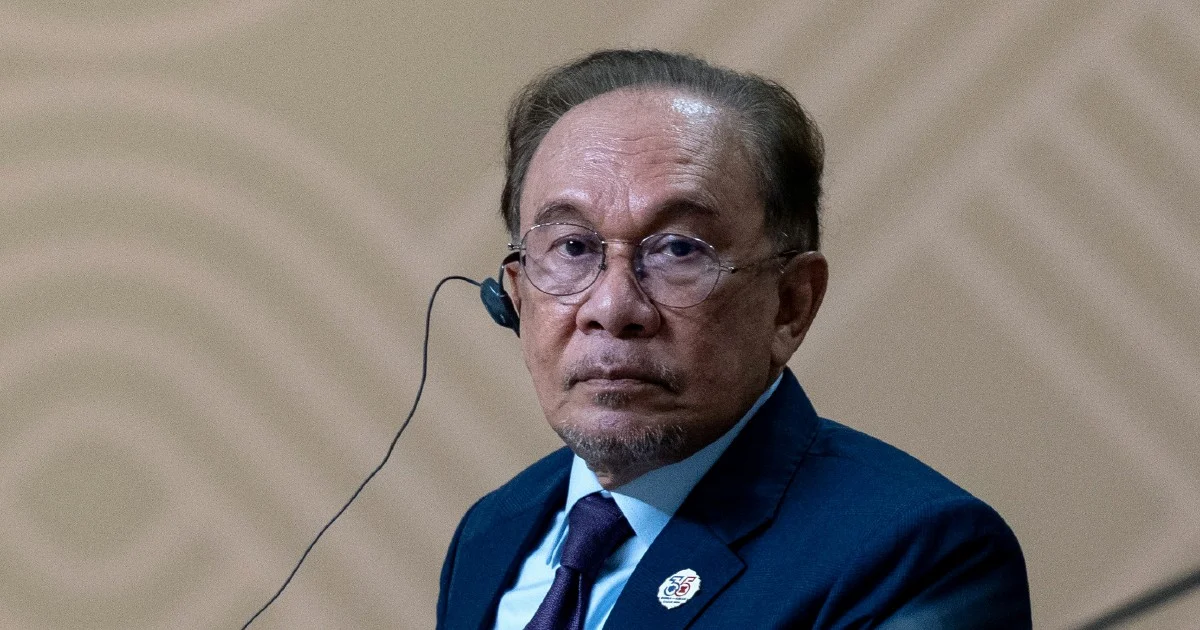
The High Court in Kuala Lumpur has granted Prime Minister Datuk Seri Anwar Ibrahim's application to rescind a court order compelling him to testify as a witness in a RM30 million civil litigation matter. The judicial decision allows the head of government to avoid personally appearing in the dispute, a development that underscores the tension between the demands of the civil justice system and the responsibilities of high office.
Civil litigation in Malaysia frequently requires key figures to provide testimony, yet the case involving Anwar and its connection to businessman Vinod Sekhar demonstrates how the courts navigate situations where sitting officials become entangled in private disputes. The magnitude of the claim—RM30 million—places this matter among substantial commercial cases, suggesting significant business interests or financial arrangements at the centre of the controversy. The nature of the underlying dispute and the precise reasons Anwar was originally subpoenaed remain crucial context for understanding the implications of this ruling.
Anwar's legal team successfully argued grounds for his exemption from witness duty, leading the High Court to overturn the initial subpoena order. Courts internationally frequently recognise that compelling the heads of government to testify in routine civil matters could disrupt executive functions and create administrative burdens. The Malaysian judiciary's decision reflects established legal principles regarding the separation of powers and the practical exigencies of governing a nation of 34 million people. When the Prime Minister's diary is already packed with national governance responsibilities, mandatory courtroom appearances can conflict with broader public interests.
Yet this outcome invites scrutiny regarding equal treatment under law and whether elite status grants undue advantages in the judicial system. Citizens and businesses embroiled in civil disputes routinely face consequences for failing to appear when summoned, ranging from adverse inferences to contempt findings. The public perception that high-ranking officials enjoy immunity from normal legal obligations poses risks to confidence in judicial independence and fairness. Malaysia's legal fraternity and civil society observers will likely debate whether this judgment properly balances governmental necessity with fundamental principles of justice.
The RM30 million dispute itself warrants closer examination. While specific details of the claims remain under judicial consideration, such substantial sums typically involve allegations of breach of contract, breach of fiduciary duty, or tortious conduct. The involvement of a sitting Prime Minister suggests either that the PM participated in transactions that later became disputed, or that Anwar holds knowledge material to resolving the parties' disagreement. The decision to excuse him from testimony means other evidence—documentary materials, expert witnesses, or testimony from other participants—must now carry greater weight in establishing facts.
Vinod Sekhar's position in this matter raises questions about the nature of their commercial relationship or dealings. Businessman associations with political figures frequently attract scrutiny in Malaysia, where the boundaries between political and commercial spheres occasionally blur. The RM30 million claim indicates stakes substantial enough to warrant legal action despite the political complications. Whether Sekhar will now pursue alternative avenues to obtain Anwar's account of disputed events, or accept the court's determination that the PM's testimony is dispensable, remains to be seen.
This judgment carries implications extending beyond the immediate parties. Future litigation involving sitting ministers, senior government officials, or other high-ranking public servants will likely reference this precedent when seeking to avoid witness appearances. If courts adopt a consistent approach of excusing elected and appointed officials from testifying based on the demands of their positions, the principle could become entrenched in Malaysian jurisprudence. This evolution might improve governmental efficiency but could simultaneously create a two-tiered system where the powerful enjoy protections unavailable to ordinary citizens.
The broader context of Malaysia's judiciary involves ongoing efforts to maintain independence following periods when political interference compromised public trust. Courts have worked to demonstrate impartiality through careful reasoning and transparent decision-making. Rulings affecting sitting administrations therefore warrant particularly close examination, as they potentially influence perceptions of whether courts apply law evenhandedly or defer excessively to executive authority. This RM30 million case will be watched as a barometer of judicial assertiveness and even-handedness.
From a Southeast Asian perspective, Malaysia's handling of litigation involving senior officials reflects regional patterns. Across the Association of Southeast Asian Nations, courts grapple with similar questions about the proper relationship between executive privilege and judicial process. Countries including Thailand, Indonesia, and the Philippines have confronted comparable issues, sometimes with different outcomes. Malaysia's approach thus contributes to a broader regional conversation about governance, accountability, and the rule of law.
The practical consequences for the pending civil matter remain uncertain. With Anwar's testimony now unavailable through compulsion, the plaintiff Vinod Sekhar must rely on alternative evidence to substantiate the RM30 million claim. Defendants frequently benefit when witnesses become unavailable, as the burden shifts to claimants to prove their case through remaining sources. This dynamic may influence the lawsuit's trajectory and ultimate outcome, potentially affecting settlement discussions. The financial implications for both parties—and potentially for government interests if public funds are somehow implicated—depend partly on whether the court can reach confident factual findings without direct testimony from the Prime Minister.

