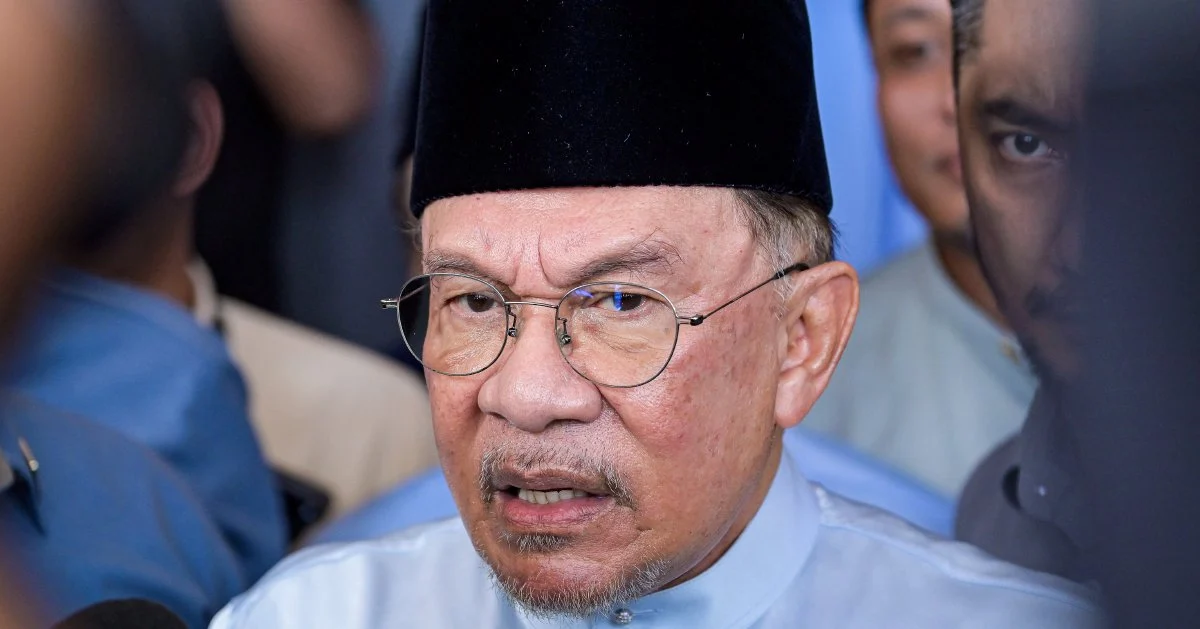
Prime Minister Datuk Seri Anwar Ibrahim moved swiftly to quash speculation surrounding the participation of caretaker Johor Menteri Besar Datuk Onn Hafiz Ghazi in a Felda-related gathering, rejecting suggestions that organisers had been directed to exclude the state leader from the occasion. The denial came as Malaysian politics continued to navigate its complex power dynamics, particularly as state-level administrations managed transition periods following electoral contests and the appointment of interim leadership.
The incident reflects broader sensitivities that persist within Malaysia's political landscape, where accusations of deliberate exclusion carry symbolic weight beyond their immediate context. Such claims can inflame existing rivalries between competing factions and undermine the veneer of institutional unity that political leaders typically seek to project during sensitive periods. That Anwar felt compelled to address the matter directly underscores how quickly allegations of administrative manipulation can gain traction in contemporary Malaysian discourse, particularly when they involve caretaker officials whose standing remains ambiguous during transition periods.
Felda settlements have long occupied a special place in Malaysia's political economy, representing both a crucial voting constituency and a symbol of the nation's rural development legacy. Any perceived exclusion of a senior state figure from engagement with these communities carries implications beyond the immediate gathering, potentially signalling deeper rifts in federal-state coordination or political alignment. The settlements themselves serve as important platforms for politicians to connect with grassroots constituencies, making access to such forums a matter of considerable political consequence in state-level dynamics.
Onn Hafiz's position as caretaker Menteri Besar places him in a particularly delicate political situation. Unlike elected incumbents who command a clear democratic mandate, caretaker administrators operate under inherent constraints, their authority understood as provisional and transitional. This liminal status can expose such officials to questions about their legitimacy and access, making them vulnerable to exclusionary practices that might be justified on technical or administrative grounds. The very fact that allegations of his exclusion warranted the Prime Minister's attention illustrates how precarious the position of caretaker leaders can become within Malaysia's politically competitive environment.
Anwar's intervention represents an attempt to maintain the appearance of institutional impartiality and fair dealing, values increasingly important as Malaysia works to rebuild confidence in its governance systems following periods of political turbulence. By explicitly denying that any directive had been issued to prevent Onn Hafiz's attendance, the Prime Minister sought to affirm the principle that political office holders retain their right to engage with the public and state institutions, irrespective of their interim or caretaker status. Such affirmations matter in establishing norms around political conduct and institutional fairness.
The Johor context adds particular significance to these events. Malaysia's most populous state has experienced considerable political volatility in recent years, with leadership transitions and inter-coalition tensions shaping state-level governance. Onn Hafiz, as the interim administrator, stands at the intersection of these currents, navigating expectations from both federal authorities and state constituencies while maintaining a position that lacks electoral legitimacy. Any moves perceived as sidelining him could exacerbate existing frictions or suggest that his caretaker role carries diminished institutional respect.
For Malaysian readers following these developments, the incident highlights the intricate choreography required in managing political transitions. Caretaker governments occupy an awkward space in Westminster-influenced systems like Malaysia's, where they retain executive authority while operating under the shadow of impending elections or leadership changes. This ambiguity creates opportunities for disputes over access, resources, and public engagement, as different actors test the boundaries of what constitutes appropriate administrative conduct during these interim periods.
The public nature of Anwar's denial also reflects contemporary Malaysian politics' reliance on media engagement to shape political narratives. Rather than allowing allegations to circulate unchallenged, the Prime Minister chose direct engagement to reframe the story and reassert his authority over the administrative apparatus. This approach acknowledges the reality that perceptions of fairness and institutional integrity are as important as their actual practice, particularly in building public confidence and legitimacy across diverse constituencies.
Looking forward, such incidents underscore the importance of clarity in administrative processes during transition periods. When officials occupy caretaker positions, the potential for disputes over access and inclusion increases unless clear protocols guide engagement and participation. The federal government's approach to managing caretaker administrations—ensuring they retain sufficient institutional standing while preparing for leadership transitions—will likely influence both the stability of Johor's interim governance and the broader health of Malaysia's political system during future transitions. How these tensions are negotiated will offer important lessons for Malaysia's continued democratic development.

