Prime Minister Datuk Seri Anwar Ibrahim has turned the tables on the opposition regarding the Lembaga Tabung Haji (TH) controversy, reframing their criticism as a deliberate attempt to manufacture political conflict rather than engage substantively with institutional failings. Speaking through a Facebook post on August 11, he characterised the opposition's focus on his involvement as a distraction from what he termed the genuine betrayal of TH depositors and the institution itself. The remarks came amid escalating tensions following a special parliamentary sitting convened to discuss the Royal Commission of Inquiry report into the pilgrimage fund's operations.
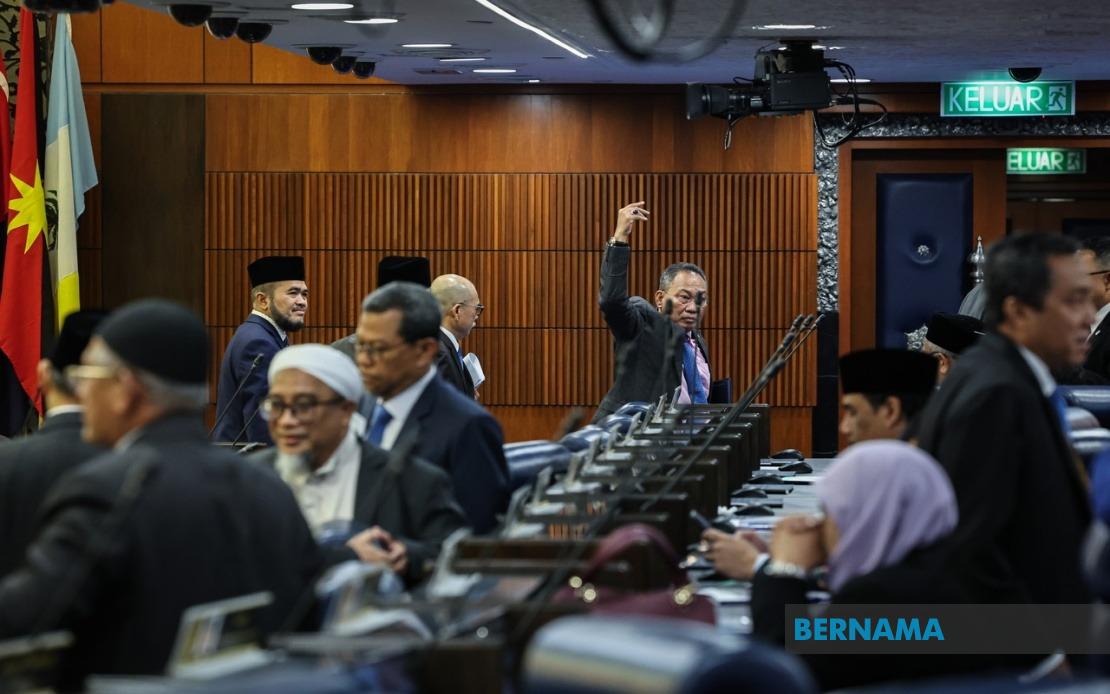
The catalyst for Anwar's counter-attack was the opposition's boycott of the special Dewan Rakyat sitting scheduled to address the RCI findings and government remedial efforts. Several opposition members staged a walkout in protest against Speaker Tan Sri Johari Abdul's decision to proceed with the ministerial briefing despite Anwar's absence due to post-operative physiotherapy following a planned hernia procedure. The opposition had sought an adjournment, positioning this procedural stand as a matter of principle, though the strategic timing raised questions about whether institutional concerns or political advantage motivated their position.
In his statement, Anwar posed a rhetorical challenge to the opposition's priorities, asking whether parliamentarians preferred debating his personal involvement or focusing on TH's institutional crisis. This framing served a dual purpose: it questioned the opposition's commitment to addressing genuine governance failures whilst simultaneously defending his own absence from the sitting as a matter of legitimate medical necessity. The prime minister argued that the real victims in this saga—the ordinary Muslim Malays who entrusted their savings to TH to fund their hajj pilgrimage—deserved better than partisan point-scoring.
The Tabung Haji controversy extends back to findings of significant institutional weakness during the 2014-2020 period, a timeframe that predates Anwar's return to the premiership in November 2022. The 211-page RCI report, released publicly on July 29, documented systematic management and operational deficiencies that contributed to financial deterioration. The report contained 25 recommendations for institutional improvement, of which 75 per cent had already been implemented by TH as of late July. By shifting focus to opposition accountability, Anwar sought to emphasise the government's forward momentum on reform rather than linger on historical misdeeds.
Anwar specifically challenged the Perikatan Nasional coalition, led by PAS, on what he characterised as indifference toward the concrete interests of TH depositors from disadvantaged communities. He listed fishermen, farmers, teachers, police personnel, military personnel, and retirees—groups typically regarded as core constituencies for Islamist and Malay-centric parties—asking whether these factions truly cared about their financial security. This line of questioning was particularly pointed, as it accused the opposition of abandoning their traditional supporters' economic welfare in pursuit of short-term political advantage.
The timing of the RCI report's public release and subsequent parliamentary proceedings highlighted fractures within Malaysia's political system. The government had initiated the RCI process in 2021, with members appointed in January 2022, and the report was presented to the Yang di-Pertuan Agong in August 2022. This multi-year investigative process represented a substantial institutional accountability exercise, yet the opposition's parliamentary tactics suggested their objective extended beyond scrutinising government performance on the TH matter.
For Malaysian readers, particularly those with savings held in Tabung Haji, the controversy reflected broader questions about institutional trust and effective governance oversight. The fund's financial difficulties had been extensively reported, and depositors had legitimate concerns about their savings and pilgrimage prospects. Whilst the RCI report documented past management failures, the key concern for beneficiaries involved whether corrective measures would genuinely restore institutional stability and protect their contributions going forward.
The opposition's walkout strategy, whilst it generated immediate headlines, risked appearing disconnected from ordinary depositors' interests. Anwar's reframing attempted to position the government as solution-focused and the opposition as performatively critical. Whether this narrative would resonate with the Malaysian public depended partly on the visible effectiveness of the 75 per cent of implemented recommendations and the government's transparent communication about remaining challenges.
From a regional perspective, the Tabung Haji matter carried significance beyond Malaysia's borders. As the world's most advanced pilgrimage fund, TH's governance standards influenced perceptions of Islamic financial institutions across Southeast Asia. The RCI's critical findings and subsequent remediation efforts signalled that Malaysian institutional regulators could conduct rigorous investigations of Islamic financial entities, a competency relevant to the broader regional financial system.
The political theatre surrounding the RCI report also illustrated how governance issues in Malaysia's Islamic institutions became entangled with partisan competition. The opposition's emphasis on procedural matters—the speaker's decision, the prime minister's absence—rather than substantive policy debate suggested that scoring tactical parliamentary victories sometimes overshadowed the opportunity for constructive scrutiny. Anwar's counterargument, though politically motivated, contained a legitimate observation about misaligned incentives.
Looking forward, the credibility of both the government's reform agenda and the opposition's oversight capacity would be measured against tangible improvements in TH's financial health and governance transparency. The RCI report provided a baseline diagnostic; the implementation phase would determine whether the institution could genuinely recover depositor confidence. Political posturing from any quarter risked undermining the sustained institutional focus required to address systemic weaknesses that had accumulated over years.
The dispute ultimately reflected a tension inherent in Westminster-style parliamentary systems with competitive party politics: balancing legitimate government accountability with sufficient political space for remediation and institutional recovery. For Tabung Haji beneficiaries, the most valuable outcome would involve both rigorous oversight and constructive support for genuine reform, rather than a prolonged cycle of political accusations that distracted from practical restoration efforts.

