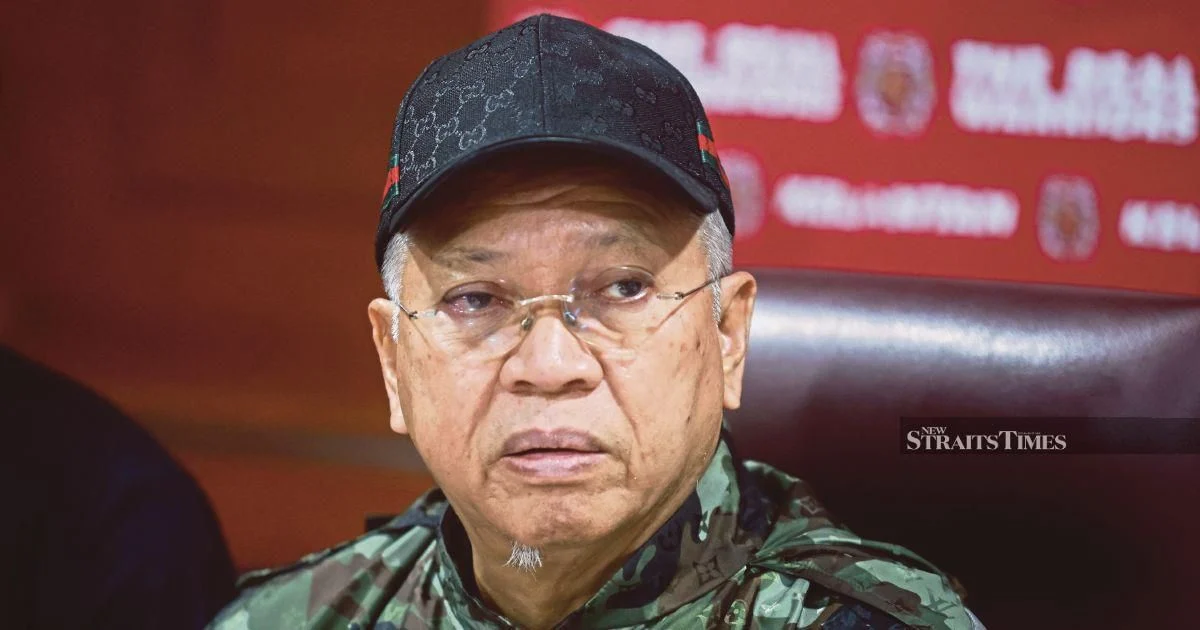
Tan Sri Annuar Musa acknowledged in Kota Baru that his repeated personal endeavours to bridge the growing divide between PAS and feuding Bersatu camps have ultimately yielded no results, raising fresh concerns about the integrity of the Perikatan Nasional alliance that has anchored Malaysia's political landscape since 2020.
The Selangor Menteri Besar's candid admission represents a significant public recognition that fractures within the right-wing coalition have proven deeper and more resistant to resolution than senior leadership has been willing to concede. His role as a senior figure within the bloc positions him as a natural mediator, yet the failure of his reconciliation efforts suggests that structural antagonisms may have become irreconcilable through conventional diplomatic channels.
PAS and Bersatu have occupied increasingly uncomfortable positions within Perikatan Nasional over recent months, with theological and political disagreements exacerbating organisational tensions. The party split that saw former Prime Minister Muhyiddin Yassin's faction diverge from the formal Bersatu apparatus has created competing powercentres claiming legitimacy within the same party structure. PAS, meanwhile, has grown emboldened by its electoral performance and parliamentary strength, creating a dynamic where neither party views itself as subordinate to the other.
Annuar's disclosure carries particular significance given his historical positioning as a bridge-builder within UMNO and subsequently within coalition structures. His willingness to publicly declare defeat suggests that informal mechanisms for managing coalition tensions have been exhausted, potentially heralding a new phase where grievances may escalate toward public confrontation rather than backroom negotiation. This represents a departure from the coalition's founding template, which relied heavily on discreet elite management of disputes.
The implications for Malaysia's political architecture extend considerably beyond internal coalition management. Perikatan Nasional's stability directly determines the governing equilibrium in Parliament and across state legislatures, particularly in the Northeast and Johor, where the coalition commands substantial majorities. A sustained rupture could trigger parliamentary realignments, affect budgetary processes, and undermine government functionality in critical policy areas. The experience of similar coalition breakdowns in other Southeast Asian democracies demonstrates how rapidly institutional paralysis can follow factional fragmentation.
For Malaysian readers observing these developments, the tensions carry direct ramifications for governance quality and policy continuity. A coalition preoccupied with internal feuding typically witnesses delayed implementation of infrastructure projects, uncertain regulatory environments for investors, and reduced responsiveness to constituent concerns. State governments administered by Perikatan Nasional coalitions could experience administrative friction affecting basic service delivery, from education to health administration to road maintenance.
The regional dimension merits attention as well. Bersatu and PAS factions possess competing visions regarding Malaysia's international posture, particularly toward Thailand and Singapore. Unresolved internal disputes could paralyse decision-making in cross-border initiatives, bilateral negotiations, and multilateral forums. The Association of Southeast Asian Nations and other regional mechanisms depend on Malaysian political coherence; coalition dysfunction inevitably diminishes Malaysia's influence in these spheres.
Annuar's frank assessment may paradoxically clarify decision-making parameters for key stakeholders. Where hope for resolution persists, factions often maintain costly stalemates. Explicit acknowledgement of failure can catalyse either genuine structural reform or accelerate necessary political reorganisation. The coming weeks will indicate whether Perikatan Nasional seeks to fundamentally restructure its operational principles or whether component parties begin exploring alternative arrangements that better align with their respective interests.
Political observers across Malaysia's spectrum will scrutinise whether Annuar's revelation prompts substantive policy responses from party leadership or remains merely a candid comment from an individual struggling with an intractable situation. The coalition's survival may depend less on reconciliation of ideological differences than on pragmatic recognition that mutual political interests outweigh competitive impulses. Yet such pragmatism becomes increasingly difficult to sustain when, as Annuar has now publicly conceded, the fundamental work of bridging divides has already failed.

