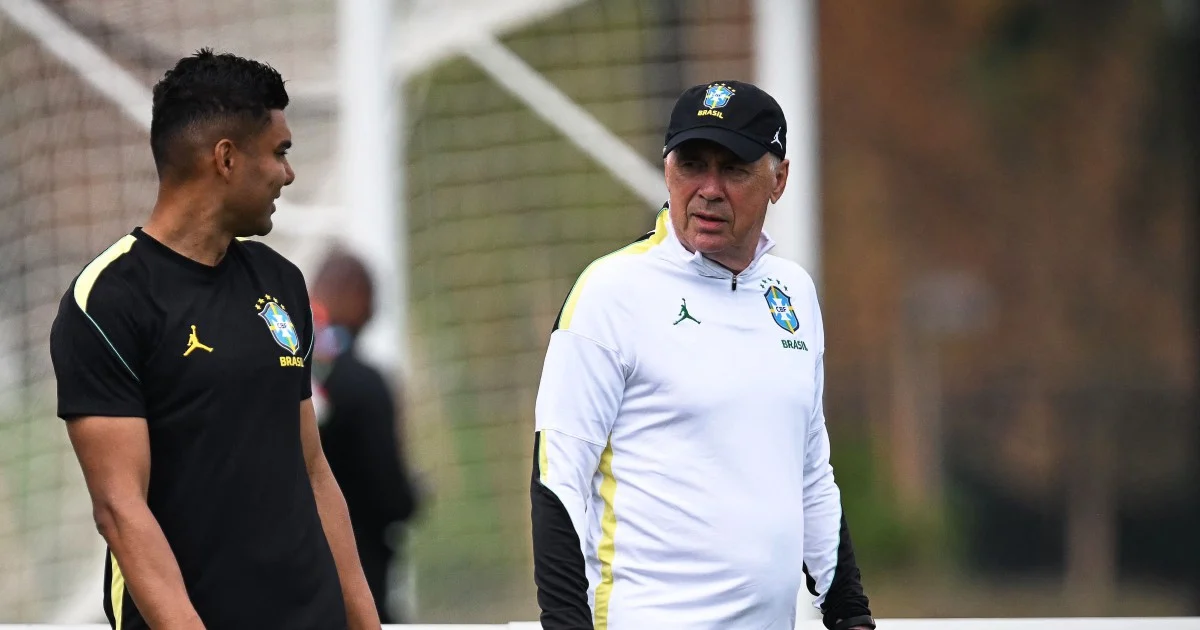
Brazil's World Cup campaign got off to a disappointing start when they drew 1-1 with Morocco in their Group C opener, but coach Carlo Ancelotti is taking a measured approach to the setback rather than entering crisis management mode. The Italian tactician views Friday's fixture against Haiti as a crucial opportunity to iron out the defensive and attacking vulnerabilities that came to light during the North African contest, setting a more positive trajectory for the tournament.
Ancelotti's composure in the face of an underwhelming opening reflects his extensive experience at the highest levels of European football, where he has consistently demonstrated the ability to remain steady when others might panic. This temperament is particularly valuable in tournament football, where psychological momentum can shift rapidly depending on results and team morale. Rather than attempting to overhaul his entire approach following a single match, Ancelotti appears confident that his squad possesses the quality and intelligence to make targeted adjustments.
The draw with Morocco exposed several areas of concern that the Brazilian coaching staff will have prioritised during their analysis. Defensive organisation at set-pieces appeared vulnerable, while the creative spark that typically characterises Brazilian football was somewhat muted during open play. The team's transition from defence to attack, usually a strength, seemed laboured at times, suggesting that match rhythm and coordination require fine-tuning rather than fundamental restructuring.
Haiti, by comparison, present a very different challenge from Morocco. The Concacaf representatives will likely adopt a more direct, physically confrontational approach rather than the possession-based, tactically disciplined strategy that Morocco employed. This stylistic contrast offers Brazil an ideal opportunity to experiment with solutions and build confidence before facing more demanding opponents later in the group stage. Ancelotti will be keen to see his team dominate possession, control the tempo, and convert their superior technical quality into a convincing victory.
For Malaysian and Southeast Asian observers, this match serves as an important reminder of the hierarchical structure within international football. Brazil remain one of the tournament's favourites despite their opening stumble, and their ability to reset and refocus demonstrates why they consistently compete at the elite level. Teams in the Asian confederation can learn from how established powerhouses respond to adversity with composure rather than reactionary panic.
Ancelotti's track record includes significant success in both club and international management, with his calm demeanour under pressure being a hallmark of his career. He has previously demonstrated an almost philosophical approach to football's inevitable ups and downs, rarely engaging in public displays of frustration or blame-shifting. This steadying influence on the squad is invaluable during tournaments, where emotional regulation often determines which teams advance furthest.
The Haiti encounter also provides an opportunity for individual players to stake their claim for more prominent roles within the squad structure. Some may have felt underutilised during the Morocco match, while others may have underperformed and need to prove their worth. Tournament football often sees shifting hierarchies as players respond to opportunities, and Friday's match could reshape Ancelotti's thinking regarding squad rotation and starting-eleven composition for the remainder of the group stage.
Brazil's attacking personnel, despite failing to sparkle against Morocco, remain formidable. The coaching staff will likely focus on creating clearer passing lanes, improving movement off the ball, and ensuring that their forward players receive the service they require. Against a less defensively sophisticated opponent, these refinements should yield more productive outcomes and restore the goal-scoring confidence that all elite teams require.
From a broader regional perspective, the outcome of this match will be monitored by other confederation representatives preparing their own World Cup campaigns. Brazil's response to adversity offers a masterclass in tournament management, and the way Ancelotti guides his squad through this fixture may influence tactical approaches and psychological preparation strategies employed by other national teams.
The fixture in Philadelphia also highlights the geographical spread of World Cup qualifying, with major tournaments increasingly staged across multiple nations. This logistical reality means teams must maintain focus and cohesion despite travel, jet lag, and unfamiliar playing environments. Ancelotti's steady leadership will be essential in maintaining concentration and preventing the kind of disjointed performance that characterised the Morocco encounter.
Looking ahead, Brazil face a critical window to establish momentum within Group C. A commanding performance against Haiti, followed by consistent results in subsequent matches, would silence any emerging doubts about their tournament credentials. Ancelotti's refusal to panic suggests he retains full confidence in the squad's capabilities, and history suggests his measured judgment is typically vindicated when given time to work.

