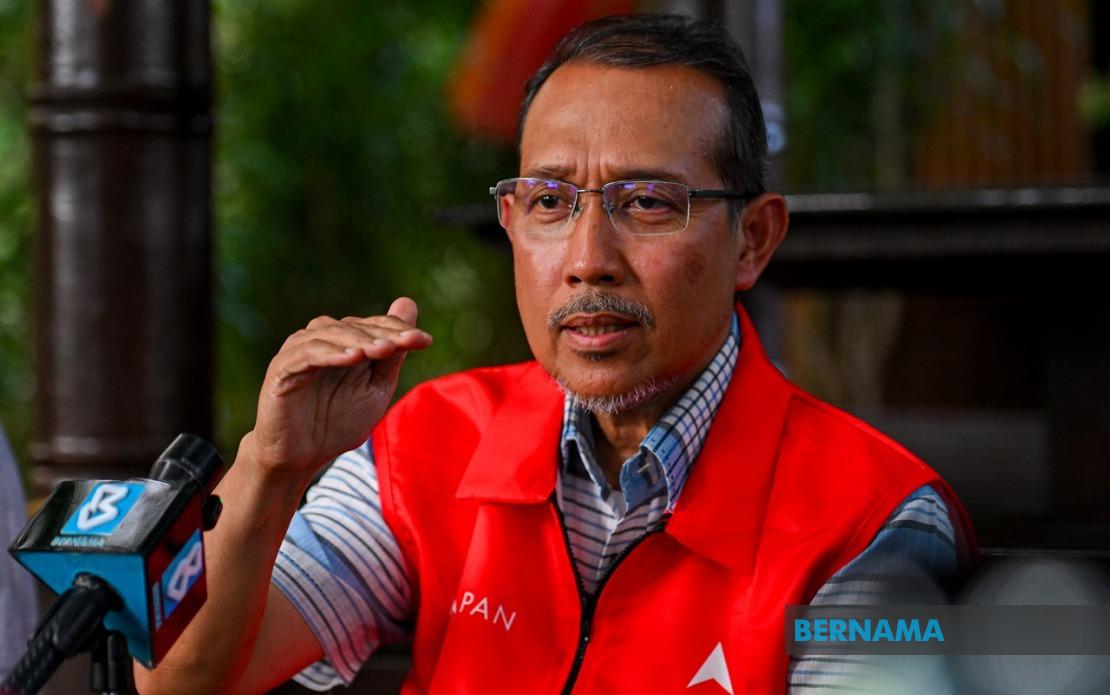
Datuk Muhammad Nazri Kassim, contesting the Ampangan state seat for Pakatan Harapan in the 16th Negeri Sembilan state election, has outlined an ambitious blueprint to reshape the constituency into a thriving commercial and residential hub. Speaking during a campaign programme in Seremban on July 22, the PH candidate articulated a vision encompassing both pragmatic infrastructure improvements and broader economic revitalisation designed to elevate the quality of life for the constituency's 21,336 registered voters.
At the heart of Muhammad Nazri's electoral platform lies a commitment to preventing the recurrence of severe flooding that has plagued the area in preceding years. The devastating floods of 2021 crystallised the urgency of comprehensive water management across the constituency. He emphasised that the Negeri Sembilan state government's collaborative river maintenance programme, implemented over the previous three to four years, has substantially reduced flooding incidence and demonstrated the effectiveness of coordinated environmental stewardship. This success, he argued, provides a foundation upon which to build further improvements to drainage systems, riverbank maintenance, and ditch clearance.
Beyond flood mitigation, Muhammad Nazri identified an underexploited opportunity inherent in the constituency's rehabilitation of water infrastructure. Properly managed rivers and maintained waterways can serve dual purposes: environmental protection and recreational development. The candidate proposed leveraging improved river conditions to establish jogging trails, cycling paths, and sports facilities that would enhance community wellbeing whilst simultaneously attracting visitors and generating economic activity.
The economic transformation agenda represents perhaps the most ambitious dimension of his campaign narrative. Muhammad Nazri highlighted Ampangan's strategic location within the heart of Seremban as a significant asset awaiting strategic development. He identified the Benteng area specifically as a precinct with considerable potential for revitalisation. By improving the visual environment through landscaping initiatives, ensuring scrupulous cleanliness, and maintaining public infrastructure to high standards, he argued that the constituency could become an attractive destination for both established businesses and aspiring entrepreneurs.
This economic vision carries particular resonance given Malaysia's broader policy emphasis on supporting small and medium enterprises. Muhammad Nazri positioned the revitalisation of Ampangan as an opportunity to create income-generating possibilities for street vendors, small traders, and local proprietors. A cleaner, more vibrant township with improved facilities would presumably attract increased foot traffic and consumer spending, thereby generating livelihoods for residents.
The candidate's campaign methodology emphasises direct engagement with constituents rather than broad-brush political messaging. Muhammad Nazri has adopted a house-to-house visitation approach, enabling face-to-face conversations with voters about their specific concerns and priorities. This granular approach to campaigning, he maintained, allows candidates to develop a more nuanced understanding of community needs and to devise tailored solutions responsive to actual rather than presumed grievances. Such direct democracy in practice contrasts with more distant, media-dependent campaign strategies and potentially resonates with voters seeking tangible responsiveness from their elected representatives.
Ampangan's designation as a state constituency within the broader Seremban parliamentary seat positions it within one of Negeri Sembilan's most significant urban centres. The constituency encompasses both established residential areas and commercial districts, creating a diverse socioeconomic base with correspondingly varied political interests. Muhammad Nazri's platform, emphasising both infrastructure maintenance and business-friendly development, attempts to appeal across this spectrum.
The electoral contest for Ampangan takes the form of a three-cornered affair. Beyond Muhammad Nazri, voters will choose between Datuk Dr Mohamad Rafie Malek representing Perikatan Nasional and Noor'azah Harun contesting for Parti Pribumi Bersatu Malaysia. This contested landscape reflects Negeri Sembilan's complex political fragmentation, with multiple coalitions vying for constituent support. The presence of a PN candidate and a Bersatu representative indicates that while PH holds the Ampangan candidacy, opposition groupings remain competitive.
The timing of Muhammad Nazri's campaign comes as the Election Commission finalised arrangements for the state election. Polling day is scheduled for August 1, with early voting opportunities provided on July 28. This compressed campaign timeline limits the window for candidates to build support and familiarise voters with their platforms. The house-to-house visitation strategy, requiring sustained ground-level engagement, consequently becomes more resource-intensive and demanding within this timeframe.
For Malaysian observers tracking state-level politics, the Ampangan campaign illustrates broader patterns emerging in contemporary electoral competition. Candidates increasingly emphasise localised development narratives combining infrastructure investment, livelihood creation, and quality-of-life improvements rather than abstract ideological positioning. Muhammad Nazri's focus on flooding prevention, river recreation, and township revitalisation reflects this pragmatic, delivery-focused approach to political contestation at the state level.
The outcome in Ampangan will contribute to the overall composition of the Negeri Sembilan state assembly, where coalition mathematics will determine the state government's political complexion. For residents of the constituency, the election offers a choice between competing visions of local development, with Muhammad Nazri's platform centred on environmental restoration and economic activation as the cornerstone of constituent well-being.

