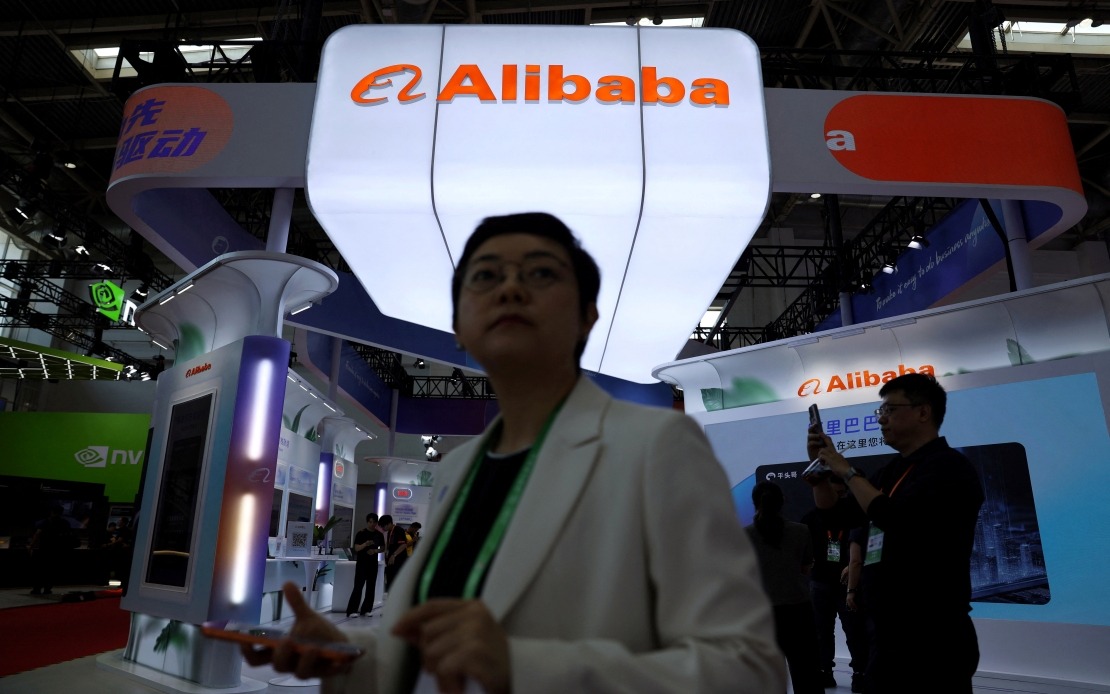
Alibaba has escalated its dispute with American regulators by filing a formal legal challenge against the United States Department of Defense over its June designation as an entity linked to China's military establishment. The lawsuit, revealed through court documents released on Tuesday, represents the e-commerce behemoth's most direct confrontation with Washington over restrictions that threaten to isolate the company from American investors and technology partnerships.
The Pentagon's decision to add Alibaba to its list of military-connected Chinese companies came as part of a broader administrative action identifying 188 entities allegedly tied to Beijing's defence sector. This sweeping designation placed Alibaba alongside other major technology firms including Tencent and automotive manufacturer BYD, effectively casting doubt over their civilian credentials and creating substantial commercial complications across multiple industries and investment channels.
Alibaba's legal filing contests the accuracy and applicability of the military designation, asserting that the determination "has no basis in fact or law." The company emphasises that its board of directors operates independently from any military influence or control, a structural claim designed to demonstrate institutional separation from state defence apparatus. This governance argument forms the cornerstone of Alibaba's defence strategy, attempting to establish that the company's decision-making remains fundamentally commercial rather than aligned with Beijing's strategic military interests.
The company further argues that its entire business portfolio centres exclusively on civilian applications. Alibaba characterises its operations as serving retail commerce, supply chain logistics, and enterprise information technology—sectors with clear commercial rather than military utility. This positioning allows the company to contest the Pentagon's characterisation by pointing to transparent market-facing activities that serve customers across private and public sectors without defence implications.
Alibaba has also highlighted contractual safeguards embedded within its vendor and customer agreements, claiming that its compliance frameworks explicitly prohibit military application of its platforms and services. The company maintains that these restrictions are enforceable provisions designed to ensure alignment with civilian use cases. Additionally, Alibaba notes its absence of formal military certifications or operating licences, arguing that the Pentagon cannot credibly classify as military-connected an entity lacking the regulatory credentials associated with actual defence contractors.
The timing of this challenge carries significance for Malaysian and broader Southeast Asian business communities, which have developed substantial commercial relationships with Alibaba through e-commerce platforms, cloud computing services, and fintech solutions. Any escalation of US restrictions on Alibaba operations creates uncertainty for regional traders and technology companies that depend on the platform's infrastructure for cross-border transactions and market access across the region.
The Pentagon's military company designation regime operates outside traditional sanctions frameworks but carries severe practical consequences. Companies on this list face restrictions on receiving US capital investments, difficulty accessing American technology components, and potential exclusion from government procurement chains. For a company of Alibaba's scale—which operates across consumer, enterprise, and financial services sectors—such restrictions threaten both revenue streams and strategic partnerships vital to competitive positioning.
The case unfolds against a backdrop of intensifying US-China technology competition, where Washington has systematically applied economic pressure tools against major Chinese technology firms. Alibaba's challenge represents an attempt to contest this regulatory approach through legal mechanisms rather than diplomatic negotiation, signalling the company's assessment that American courts might examine the evidentiary basis for military designations more rigorously than executive branch agencies.
For regional stakeholders and investors, the lawsuit's outcome carries implications extending beyond Alibaba's individual circumstances. A successful challenge could establish legal precedent affecting how American regulators apply military designations to foreign technology companies operating across multiple jurisdictions. Conversely, if the Pentagon prevails, it would reinforce the government's authority to classify firms based on broader strategic assessments rather than documented military contracts alone.
Alibaba's legal strategy reflects the company's confidence in its institutional separation from China's defence establishment and its genuine reliance on civilian revenue streams. However, the broader geopolitical context—where technology access and strategic technology competition shape great power relations—suggests that legal arguments alone may prove insufficient to overcome Washington's national security determinations, regardless of evidentiary merit.

