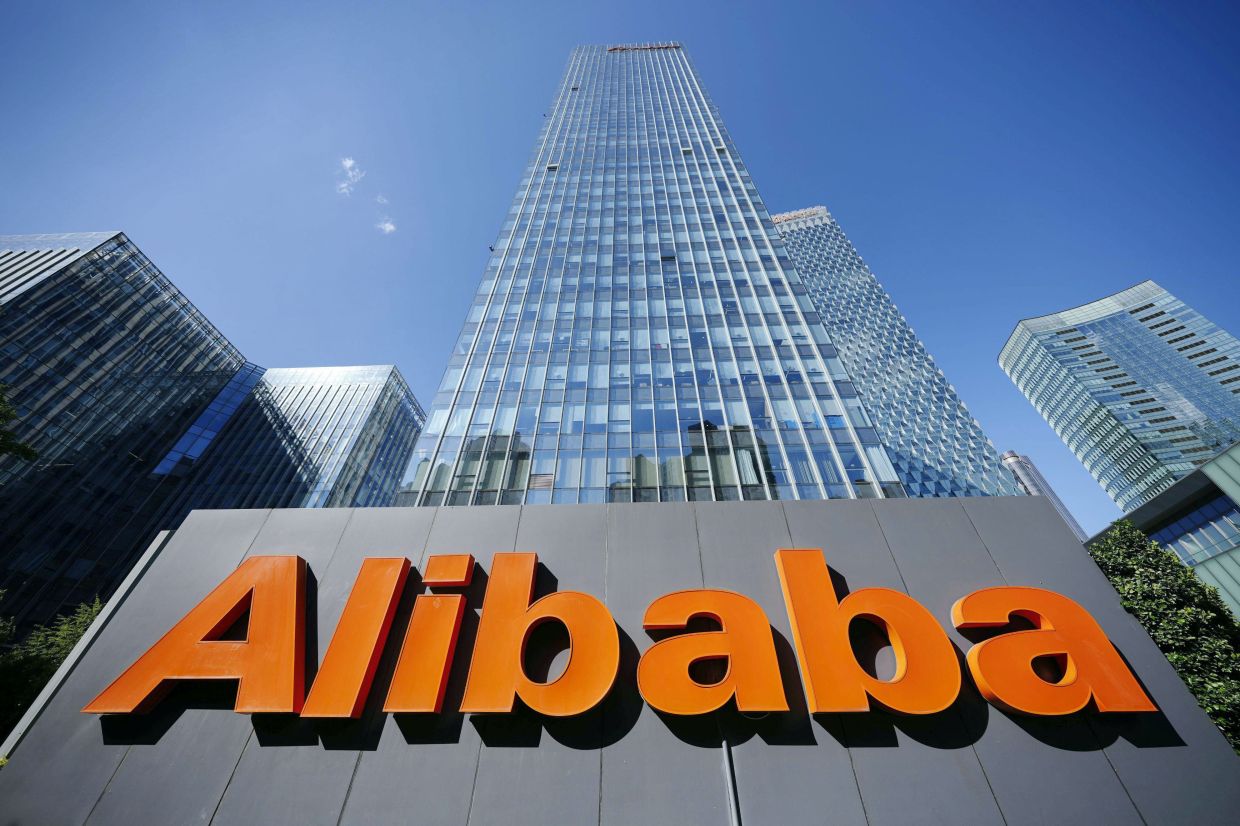
Chinese technology and e-commerce titan Alibaba Group Holding has filed a lawsuit against the US Department of Defence in California, challenging its placement on a Pentagon blacklist of companies deemed supportive of China's military apparatus. The legal action, filed this week in San Jose district court, represents a significant escalation in tensions between Beijing and Washington over technology sector restrictions and illustrates the deepening fault lines in US-China relations over industrial policy and national security definitions.
The Pentagon added Alibaba to its "Chinese military companies" list on June 9, alongside several other prominent Chinese firms including electric vehicle manufacturers BYD and Nio, search engine operator Baidu, robotics firm Unitree Robotics, and networking equipment maker TP-Link. The designations targeted companies spanning artificial intelligence, biotechnology, and solar energy—sectors that sit squarely at the centre of escalating technological competition between the superpowers. The move was authorised under Section 1260H of the National Defence Authorisation Act, a provision that empowers the Pentagon to identify entities with alleged military connections.
Alibaba's legal challenge rests on constitutional grounds, with the company arguing that its inclusion violated due process rights and infringed upon free speech protections. In court documents, the Hangzhou-based company categorically denied being a military enterprise or participant in any military-civil fusion programme. An Alibaba spokesperson emphasised that the Pentagon's decision was "arbitrary and capricious," claiming the company had engaged constructively with defence department officials in January and submitted a formal written response in March before the June blacklisting occurred.
The Pentagon designation carries significant practical consequences despite stopping short of automatic sanctions. The blacklist status complicates affected companies' access to US capital markets and federal government contracts, creating substantial barriers to international business operations. For multinational companies like Alibaba, which operates globally and maintains financial relationships across jurisdictions, such restrictions represent tangible commercial harm beyond symbolic reputational damage.
Within its court filing, Alibaba specifically refuted Pentagon findings that it maintained indirect affiliation with China's State-owned Assets Supervision and Administration Commission, the body overseeing state-owned enterprises. The company also challenged Pentagon assertions that it functioned as a military-civil fusion contributor through alleged connections to the Ministry of Industry and Information Technology. Alibaba characterised its MIIT interactions as routine regulatory compliance obligations standard for technology firms operating within mainland China, rejecting the Pentagon's interpretation as overreach.
The broader geopolitical context surrounding Alibaba's lawsuit reflects mounting US anxiety regarding Chinese state influence over private technology companies. Washington increasingly views civilian technology firms as potential extensions of state military capacity, particularly given China's explicit promotion of "civil-military fusion" as a strategic doctrine. However, critics argue American designations often lack transparency and fail to distinguish between genuine security threats and general economic competition.
Other Chinese companies similarly targeted have mounted vigorous opposition. BYD and Baidu have publicly denounced the Pentagon's action, while China's embassy in Washington formally protested what it characterised as an overly expansive interpretation of national security and discriminatory listing practices. The diplomatic backlash underscores Beijing's determination to contest American restrictions through multiple channels simultaneously.
China has responded with its own countermeasures, adding ten American companies to export control lists and restricting 46 US firms from government procurement contracts. The restricted American companies include defence contractors Lockheed Martin, Raytheon Missiles & Defense, and General Dynamics Land Systems, alongside manufacturers in aerospace, robotics, and critical materials sectors. China's Finance Ministry announced these restrictions would take immediate effect, signalling Beijing's willingness to escalate economic pressure in response to American technology sector restrictions.
The timing of Alibaba's lawsuit—coming mere hours after China announced its latest countermeasures—demonstrates how commercial disputes between the superpowers have become deeply entangled with broader geopolitical strategy. Neither government treats technology regulation as purely technical policy; both employ such measures as tools for managing strategic competition and signalling resolve to their respective constituencies.
For Malaysian and Southeast Asian technology companies and investors, Alibaba's legal challenge carries important implications. The case will likely establish precedents regarding how American courts evaluate Pentagon designations and what standards must be met to justify excluding foreign companies from US markets. A successful challenge by Alibaba could embolden other targeted firms to pursue similar legal remedies, potentially constraining the Pentagon's ability to unilaterally blacklist foreign enterprises. Conversely, a ruling favouring the Pentagon would solidify American authority to restrict international technology companies through executive action with minimal judicial oversight.
The dispute also highlights the growing risk that regional technology companies may become collateral damage in US-China competition. Malaysian firms with operations, investments, or supply chain connections across both economies face potential pressure to choose sides or navigate increasingly complex dual regulatory environments. The investment climate throughout Southeast Asia grows murkier as technology restrictions proliferate and retaliation cycles accelerate.
Alibaba's case will likely require courts to grapple with fundamental questions about executive power, national security definition, and procedural fairness in an era of great power technology competition. The outcome may reshape how international technology companies navigate American restrictions and could influence whether subsequent Chinese firms pursue similar legal challenges rather than accepting blacklist designations. As the case proceeds, it will command close attention from investors, policymakers, and technology executives across Asia seeking clarity on future regulatory direction.

