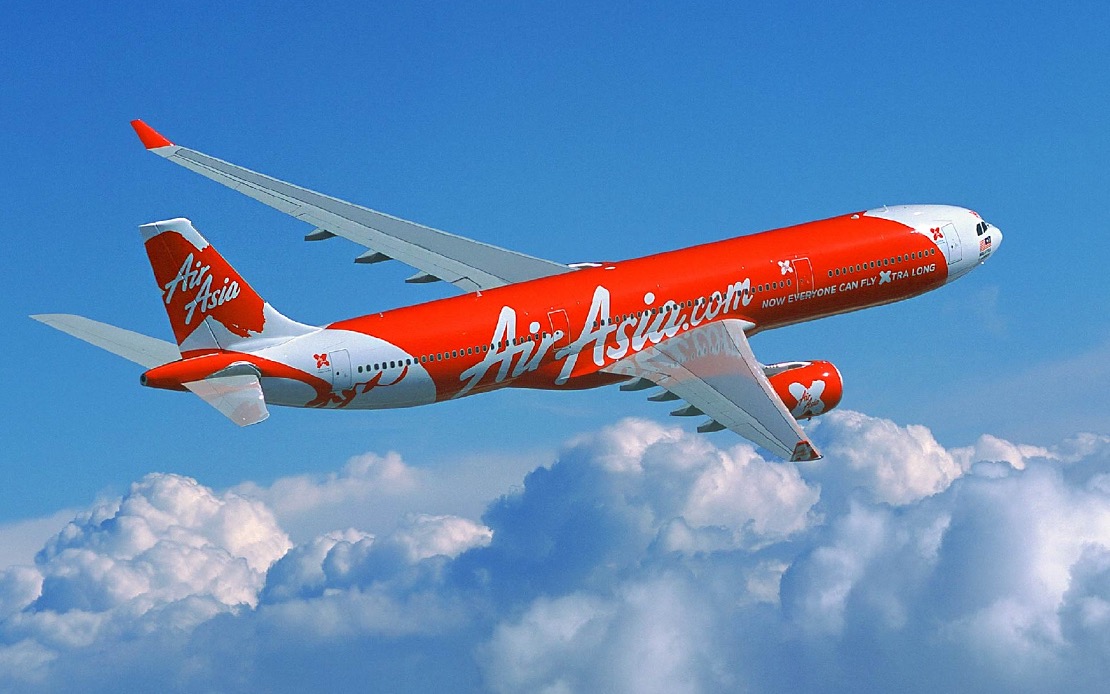
The aviation sector has delivered fresh momentum to Malaysia's tourism ambitions with AirAsia's debut direct flight from Jakarta touching down at Sultan Ismail Petra Airport in Kota Bharu on Tuesday afternoon. The new route, designated flight AK2354 and operated with a 180-seat Airbus A320, successfully carried 117 passengers on its inaugural service, achieving a respectable load factor of approximately 63 per cent. The passengers represented a diverse mix of Indonesian and international travellers, alongside returning Malaysian residents, signalling early demand for the connectivity link.
The establishment of this route arrives at a strategically significant moment as Malaysia accelerates preparations for Visit Malaysia 2026, the nation's biennial tourism promotion campaign. Tourism Malaysia's leadership framed the Jakarta service as a cornerstone initiative for deepening the country's regional air network, particularly targeting Indonesia—which remains among Malaysia's most valuable source markets for international visitors. The direct connection eliminates the friction of previous itineraries that required transfers, fundamentally altering the ease with which Jakarta-based travellers can access Kelantan's distinctive offerings.
Kelantan stands to capture substantial dividends from this improved market access. The state has invested considerably in positioning itself as Malaysia's premier cultural and heritage destination, and the Jakarta route provides a direct pipeline to one of Southeast Asia's largest population centres. Iconic attractions including Pasar Siti Khadijah, the historic Kampung Laut Mosque, Kampung Kraftangan's artisan community, and the Stong Geopark now face dramatically reduced entry barriers for Indonesian visitors. These sites represent the authentic Malaysian experience that appeals strongly to regional tourists seeking cultural immersion rather than conventional resort holidays.
Beyond leisure tourism, the route promises meaningful contributions to Kelantan's health tourism sector—an increasingly important revenue stream across Southeast Asia as regional medical services gain recognition for quality and value. The easier accessibility that direct flights provide positions Kota Bharu hospitals and wellness facilities to compete more effectively for Indonesian patients and accompanying family members who might previously have chosen more accessible destinations. This dimension of tourism development generates higher spending per visitor and creates sustained economic benefits throughout healthcare supply chains.
The strategic geography of Kota Bharu further enhances the route's potential. Officials recognise that the city functions as a natural transit hub for onward journeys to southern Thailand's coastal and cultural destinations, as well as the resort islands dotting Malaysia's East Coast. Jakarta travellers seeking to explore multiple destinations across the region can now use Kota Bharu as their entry point, multiplying the economic impact beyond the state itself. This hub function transforms what might appear as a bilateral route into a crucial component of broader Southeast Asian travel patterns.
AirAsia's commitment to serving regional routes that larger carriers have historically overlooked reflects a strategic imperative within the airline industry. By connecting Jakarta directly to underserved destinations like Kota Bharu, the airline simultaneously expands its network reach and creates competitive advantages through capacity that major hubs cannot easily replicate. For AirAsia Malaysia's leadership, this service demonstrates the business case for systematically developing connections between secondary cities across Southeast Asia—a model that generates tourism growth while building brand loyalty among regional travellers.
The data surrounding Malaysia-Indonesia aviation capacity underscores the scale of existing connectivity while highlighting the significance of new routes. As of April 2026, 634 weekly flights already operate between the two nations, carrying more than 114,806 seats weekly. Within this substantial traffic volume, the Jakarta-Kota Bharu route addresses a specific gap—direct access to East Coast destinations that previously required routing through larger hubs. This targeted expansion maximises the return on network investment by filling genuine demand rather than duplicating existing capacity on congested trunk routes.
For Kelantan's broader economy, the tourism influx triggered by improved connectivity carries multiplier effects extending across hospitality, transportation, retail, and artisanal sectors. Local tourism officials articulate confidence that the route will translate into measurable visitor arrivals, though the early 63 per cent load factor suggests that demand-building efforts must continue alongside supply provision. The inaugural flight's passenger composition—including visitors from Thailand and the Philippines alongside Indonesian and Malaysian travellers—hints at the route's potential to serve as a junction point for cross-regional tourism movements.
The cultural and people-to-people dimensions of this connectivity also merit attention in an era when regional relations depend increasingly on sustained interpersonal contact. Direct flights facilitate easier family visits, business meetings, and cultural exchanges that strengthen Indonesia-Malaysia ties beyond formal diplomatic channels. For Kelantan specifically, improved Indonesian accessibility enhances the state's ability to position itself as a bridge between Malaysian and Southeast Asian cultural traditions, potentially attracting cultural delegations and heritage tourism that carries elevated spending profiles.
Visit Malaysia 2026's success will depend substantially on whether initiatives like the Jakarta-Kota Bharu route achieve their intended impact. Rather than concentrating visitors at established hubs like Kuala Lumpur or Penang, the campaign seeks to distribute tourism benefits across regional economies that have historically struggled to compete for international arrivals. This route represents precisely the type of targeted infrastructure investment that can unlock dormant tourism potential in secondary cities and generate inclusive economic growth.
The inaugural service's successful execution now shifts attention to sustaining and growing passenger volumes. Airlines and tourism operators must collaborate to ensure that the improved accessibility translates into actual visitor conversions through coordinated marketing, packaging, and destination development. Indonesian tour operators, in particular, will play crucial roles in creating compelling itineraries that leverage the new direct access.
Looking ahead, the route's performance will likely influence AirAsia's future expansion decisions in the region. Successful launches to underserved destinations can justify rapid capacity increases and additional frequencies, creating network effects that benefit both the airline and destination economies. For Kelantan, this initial service represents not merely a new flight but an opportunity to demonstrate sufficient market demand that justifies sustained and expanded air connectivity with Indonesia's largest cities.

