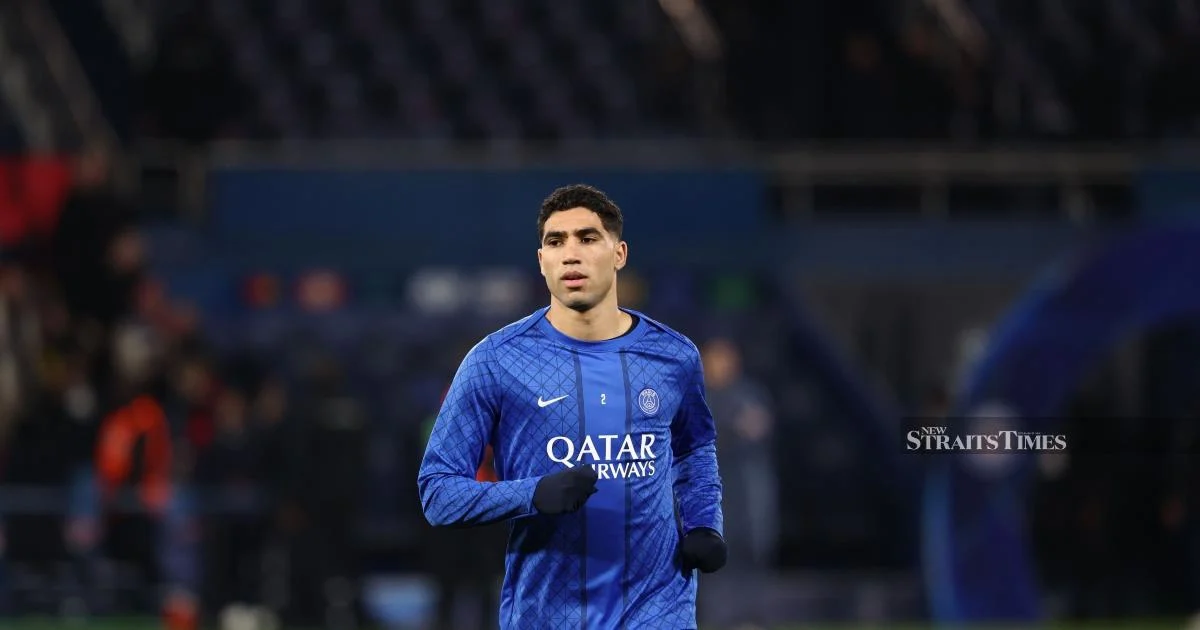
A French appeals court in Versailles has moved the high-profile case forward by confirming that Moroccan international footballer Achraf Hakimi will proceed to trial on charges of rape involving a young woman. The court's decision, delivered on Friday, represents a major juncture in a case that has captured widespread media attention across Europe and the football world, given Hakimi's prominence as a defender for Paris Saint-Germain and his status as a national team player for Morocco.
Hakimi, who plays as a right-back for PSG, has consistently denied the allegations against him. The case has unfolded over several months, with the initial complaint filed in the months prior to the court's recent ruling. The footballer's legal team has maintained his innocence throughout the proceedings, signalling their intention to vigorously contest the charges at trial. The confirmation by the appeals court does not constitute a finding of guilt but rather indicates that sufficient grounds exist for the matter to be heard before a trial court with full judicial examination of evidence and testimony.
The case carries significant implications for professional football in Europe, particularly concerning player conduct and accountability. Football clubs, governing bodies, and sponsors have increasingly faced scrutiny over how they manage allegations involving high-profile athletes. PSG's handling of the situation will likely come under examination as the legal process continues, especially given the club's prominent position in French football and its global commercial interests.
For Malaysia and Southeast Asia, this development underscores the complex intersection of sport, justice systems, and international player mobility. Malaysian football fans and administrators often look to European models when considering how domestic football governance should be structured. Cases involving elite athletes highlight the tensions between presumption of innocence, protection of complainants, and the public interest in transparent proceedings. The visibility of such cases also influences how sponsors, broadcasters, and federation officials across the region engage with international players and clubs.
The allegations emerged during a period when Hakimi's career appeared to be ascending. The player had been international experience at Real Madrid and Inter Milan before joining PSG, one of Europe's most financially powerful clubs. His status as an established international performer competing at the highest level adds another dimension to the case, as it raises questions about how elite sport manages situations involving personnel accused of serious crimes.
French legal procedures require that serious allegations pass through preliminary examination stages before advancing to trial. The appeals court's confirmation suggests that investigating authorities and the judicial system determined that the evidence presented warrants a full hearing before a trial tribunal. This procedural step does not determine the case's outcome but establishes the foundation for formal proceedings where both the prosecution and defence will present their complete arguments.
The timeline for the trial remains a matter of judicial scheduling, though such cases typically require several months to arrange and prepare. During this period, Hakimi will remain in limbo regarding the accusations, a situation that affects not only him personally but also PSG's roster planning and his international career with the Moroccan national team. Sporting bodies must balance the presumption of innocence with their own reputational and integrity concerns.
This case reflects broader discussions in European football about player conduct, club responsibility, and the protection of both complainants and accused individuals throughout legal proceedings. The intensity of media coverage surrounding allegations involving elite athletes can influence public perception even before trial outcomes are determined, raising important questions about fair process and the proper role of journalism in such sensitive matters.
For context, Hakimi's professional journey has been notable. Beyond his club achievements, he has represented Morocco internationally and been considered among his country's most accomplished football exports. The allegations emerged amid his commitment to both PSG and the Moroccan national team, making the case's resolution relevant to multiple stakeholders in global football.
The confirmation by the French appeals court now sets the stage for formal trial proceedings. Both the prosecution and Hakimi's legal team will have opportunities to present comprehensive cases. The trial will occur within the French judicial system, which operates with specific rules regarding evidence presentation, witness examination, and legal protection for all parties involved in the proceedings.
The broader football community will be watching closely as the case progresses. How courts, clubs, and sporting authorities manage such situations establishes precedents that influence governance across professional football internationally. The outcome of this trial will carry significance beyond Hakimi's individual circumstances, potentially shaping how football institutions approach similar situations in future. For Malaysian stakeholders observing European football administration, the handling of this case offers insights into how sophisticated football systems balance legal processes with institutional accountability.

