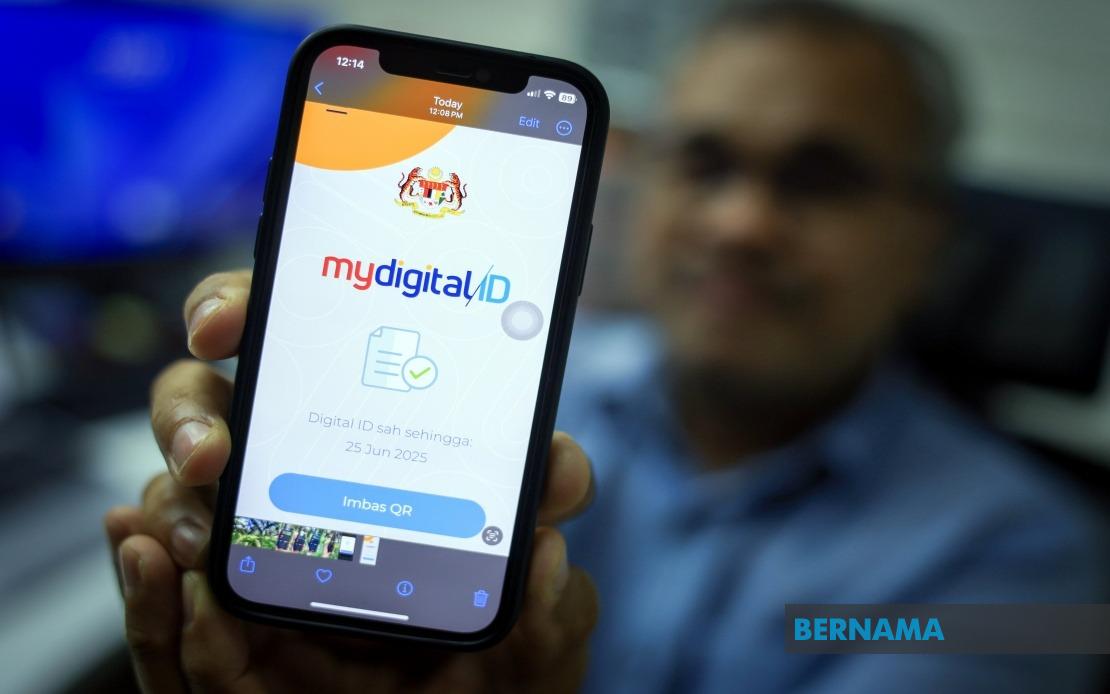
Malaysia's digital identity initiative has achieved significant uptake, with Deputy Prime Minister Datuk Seri Dr Ahmad Zahid Hamidi announcing that 12 million citizens had registered for MyDigital ID by the end of June. The figure underscores growing public engagement with the government's push to streamline digital governance, a critical infrastructure for a nation increasingly reliant on online service delivery. Behind this headline statistic lies a more detailed picture of activity: the platform has recorded 16 million transactions encompassing new registrations, account renewals, and identity cancellations across the user base.
The expansion of MyDigital ID represents a cornerstone of Malaysia's broader digital transformation agenda. Ahmad Zahid, who also serves as Rural and Regional Development Minister, explained that the government is pursuing an integration strategy operating simultaneously at federal and state levels. This dual-tier approach aims to create a comprehensive ecosystem where citizens can authenticate themselves once and access multiple services without redundant login procedures. Such streamlining theoretically reduces friction in government service consumption and enhances user experience, particularly for less digitally literate populations who might find navigating multiple platforms daunting.
Central to this expansion was a directive issued by the Chief Secretary to the Government on January 14, 2025, mandating that all ministries, federal departments, statutory bodies, state secretaries, and local authorities adopt the MyDigital ID single sign-on system. This top-down requirement signals serious governmental commitment to standardization, though implementation timelines and resource allocation across different agencies remain varied. The directive essentially established MyDigital ID as the default authentication mechanism for government digital services, rather than an optional supplement to existing systems.
Progress in integrating government services has been tangible. As of June 25, 2026, a total of 114 online government services have been connected to the MyDigital ID infrastructure. These encompass diverse agencies and functions: MyJPJ for road transport services, MyPTPTN for loan-related matters, the Special Affairs Ministry's SPA9 system, and the Royal Malaysia Police's MyBayar payment platform among them. Each integration removes a separate login requirement from the citizen's experience, theoretically improving service accessibility and reducing password fatigue. The breadth of services suggests that critical transaction points are being captured within the unified framework.
Beyond federal government services, the MyGOV Malaysia platform developed by the National Digital Department serves as a consolidation layer, enabling users to access various government services through a single digital identity authentication mechanism. This middleware approach allows disparate backend systems to remain unchanged while presenting a unified front-end experience. For Malaysian citizens managing multiple interactions with government—from tax filing to permit renewals to benefit claims—this represents meaningful operational simplification.
State governments, traditionally operating parallel systems to federal agencies, are gradually joining the integration effort. Ahmad Zahid reported that 19 state-level online applications have been integrated with MyDigital ID thus far, with another 28 applications under active development. This moderate progress reflects the complexities of coordinating across 13 distinct state administrations, each with legacy systems and varying technical capacities. The pipeline of development suggests momentum, though the pace indicates challenges in synchronizing state infrastructure upgrades across Malaysia's federated governance structure.
The strategic importance of MyDigital ID extends beyond mere convenience. In an era where cybersecurity and data protection increasingly influence citizen trust in digital government, establishing a single, centralized identity verification system offers both opportunities and risks. On the positive side, concentrated authentication infrastructure allows for more rigorous security controls and audit trails than scattered point systems. On the negative side, it creates a singular point of potential failure and a high-value target for malicious actors. The government's implicit security architecture and encryption standards underlying MyDigital ID remain opaque to public scrutiny, a consideration relevant to information-conscious Malaysian users.
The 16 million transactions figure merits closer examination, as it indicates active usage patterns extending beyond mere registration. This suggests that MyDigital ID is not accumulating dormant accounts but rather supporting genuine service interactions. For context, if distributed across 12 million registrations, this yields an average of 1.33 transactions per user since launch—a metric suggesting either new adoption waves or concentrated usage among early adopters while broader user bases remain relatively inactive.
For Malaysian residents and businesses, the ongoing integration of MyDigital ID carries practical implications. Entrepreneurs managing compliance with multiple government agencies stand to gain efficiency, while individuals applying for services can reduce administrative burden. Small towns and rural areas, where government service access is sometimes geographically constrained, benefit particularly from expanded online availability. However, digital divides persist: citizens without reliable internet access or basic digital literacy may find themselves further marginalized by accelerating digitalization of essential services.
Regional observers have noted that Malaysia's MyDigital ID programme positions it alongside other Southeast Asian digital identity initiatives. Singapore's digital identity framework and Indonesia's digital ecosystem expansions represent comparable efforts in the region. Malaysia's progress towards centralized identity verification reflects broader regional momentum toward digital public infrastructure, though comparative analysis of security standards, interoperability, and cross-border functionality remains limited.
The integration trajectory outlined by Ahmad Zahid suggests continued acceleration. With 114 federal services and 19 state services already connected, and 28 additional state applications in pipeline, the network effects of MyDigital ID are likely to encourage wider adoption. As more citizens encounter the system in their routine government interactions, familiarity and trust typically increase. Conversely, service disruptions or security incidents could severely damage confidence, making ongoing technical management and cybersecurity robustness essential to the programme's long-term success.
Looking forward, policymakers face questions about digital accessibility standards, privacy safeguards, and contingency systems for users unable to engage with digital platforms. The government's commitment to integration must be balanced against inclusive service delivery principles ensuring that digitalization enhances rather than restricts citizen access to essential government functions. These considerations will shape whether MyDigital ID fulfills its promise as a national digital backbone or becomes another technology initiative that inadvertently reinforces existing inequalities.

